
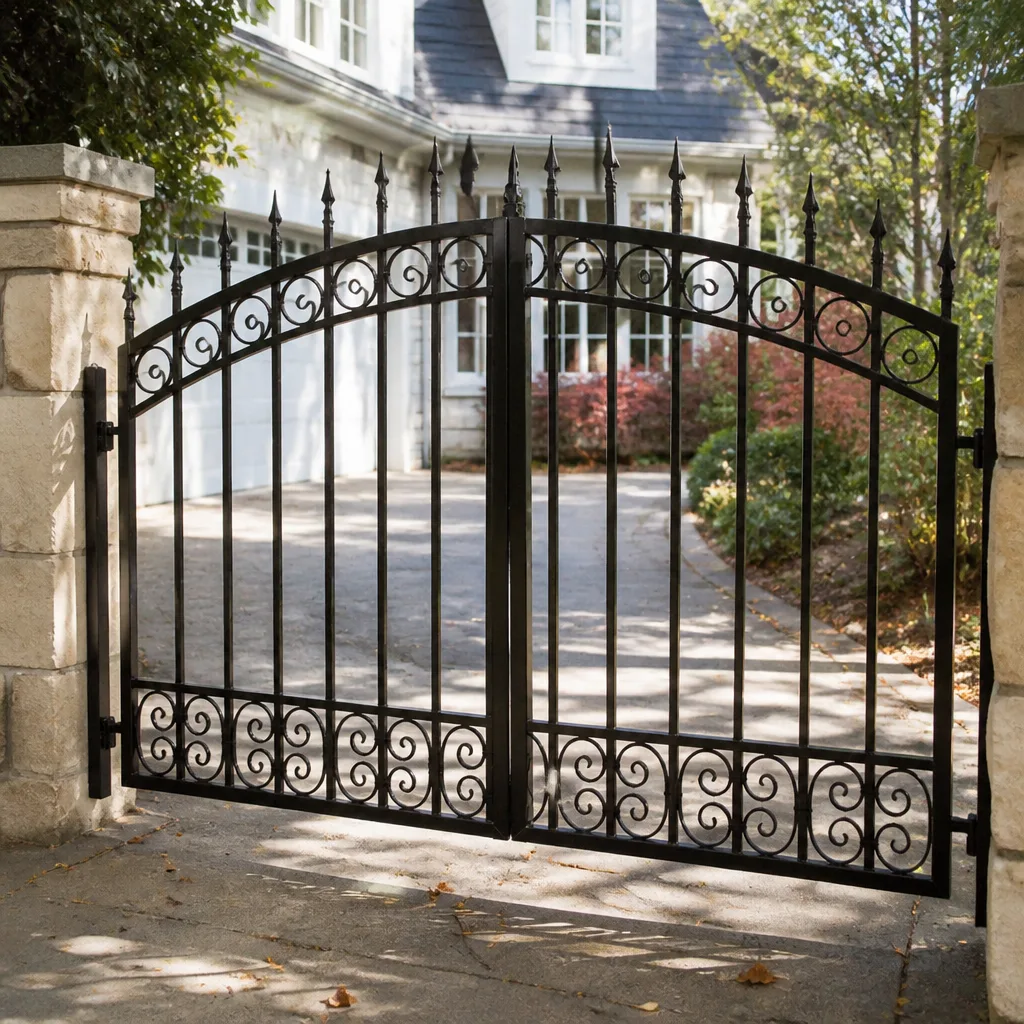
 Wrought iron
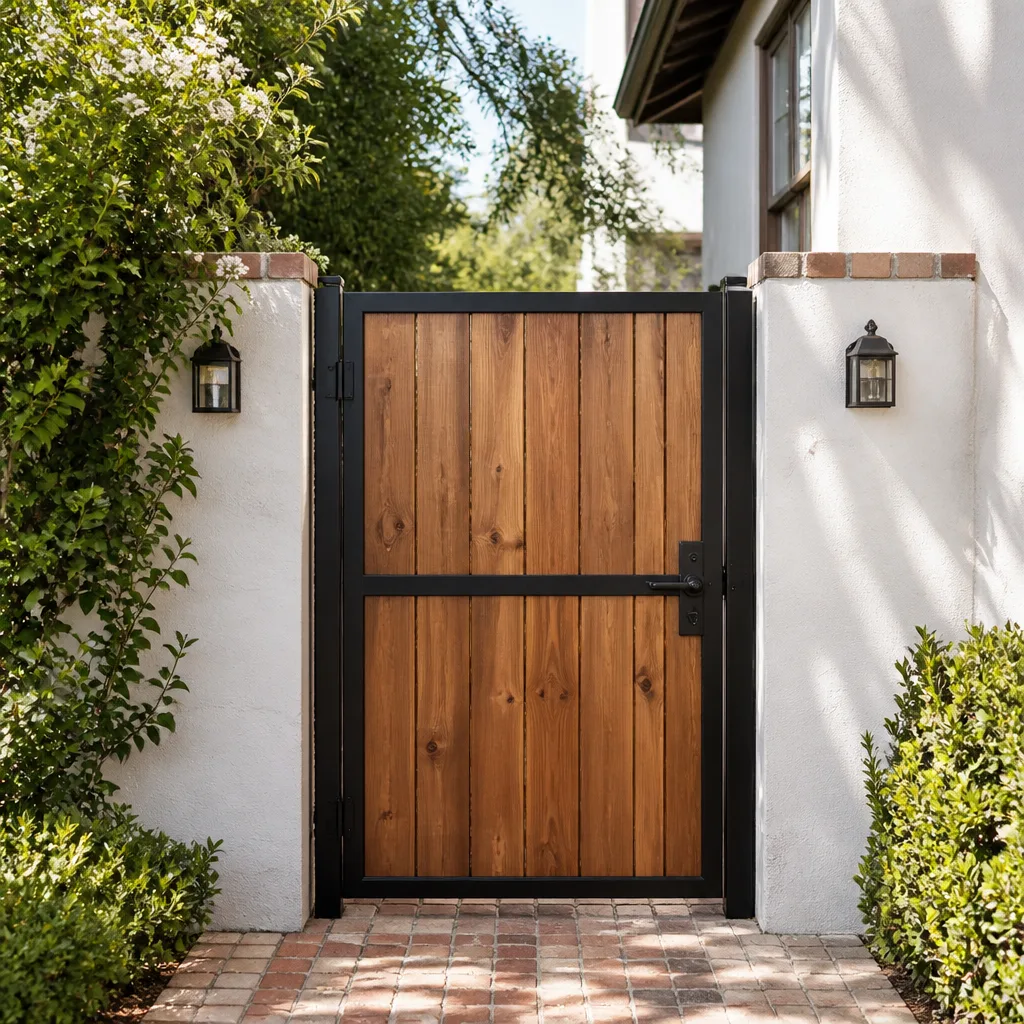 Wood & steel frame
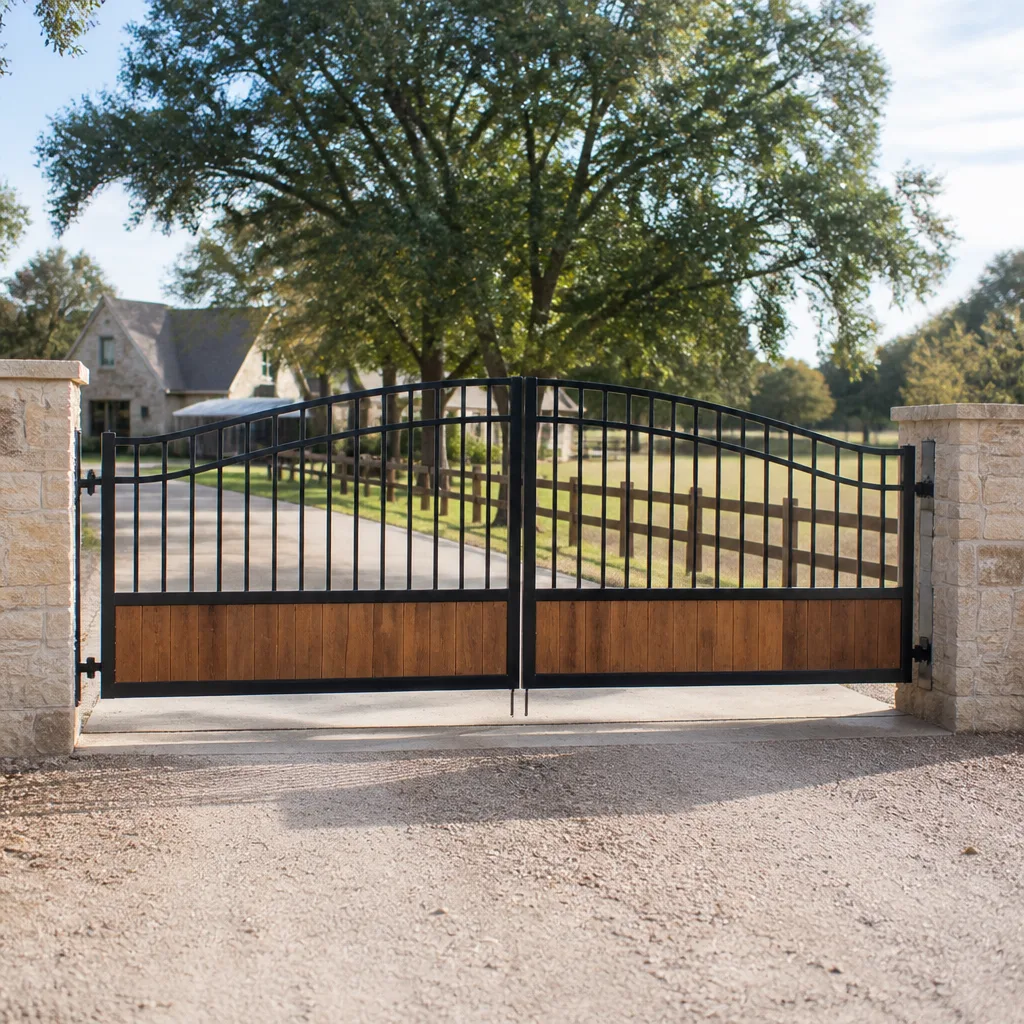 Farm & ranch
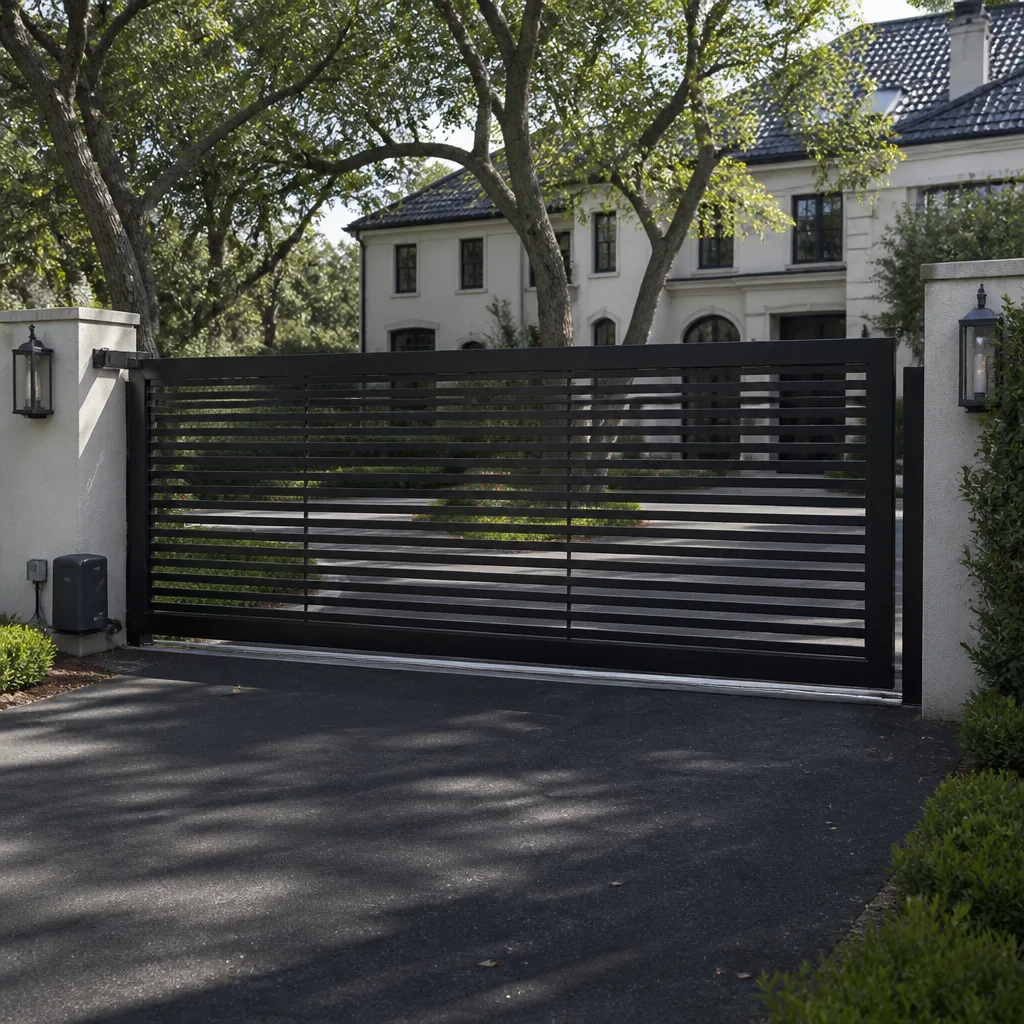 Sliding driveway gates
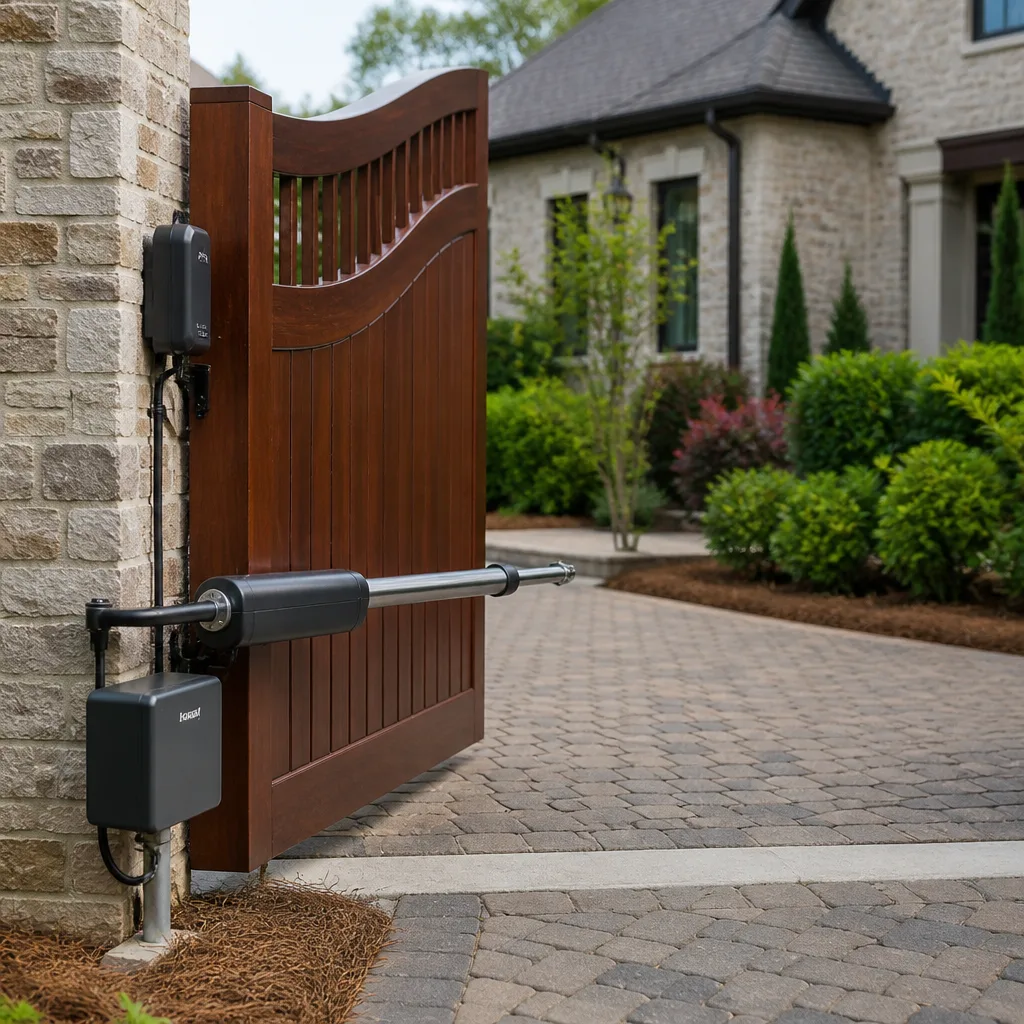 LiftMaster operators
Free on-site gate assessment - hinges, posts, and your LiftMaster or Nice gate operator checked before anything is quoted
The assessment is free and the quote is the invoice.
Get your free estimateStyles & brands we work with
- Wrought iron
- Wood & steel frame
- Farm & ranch
- Sliding driveway gates
- LiftMaster operators
See the difference
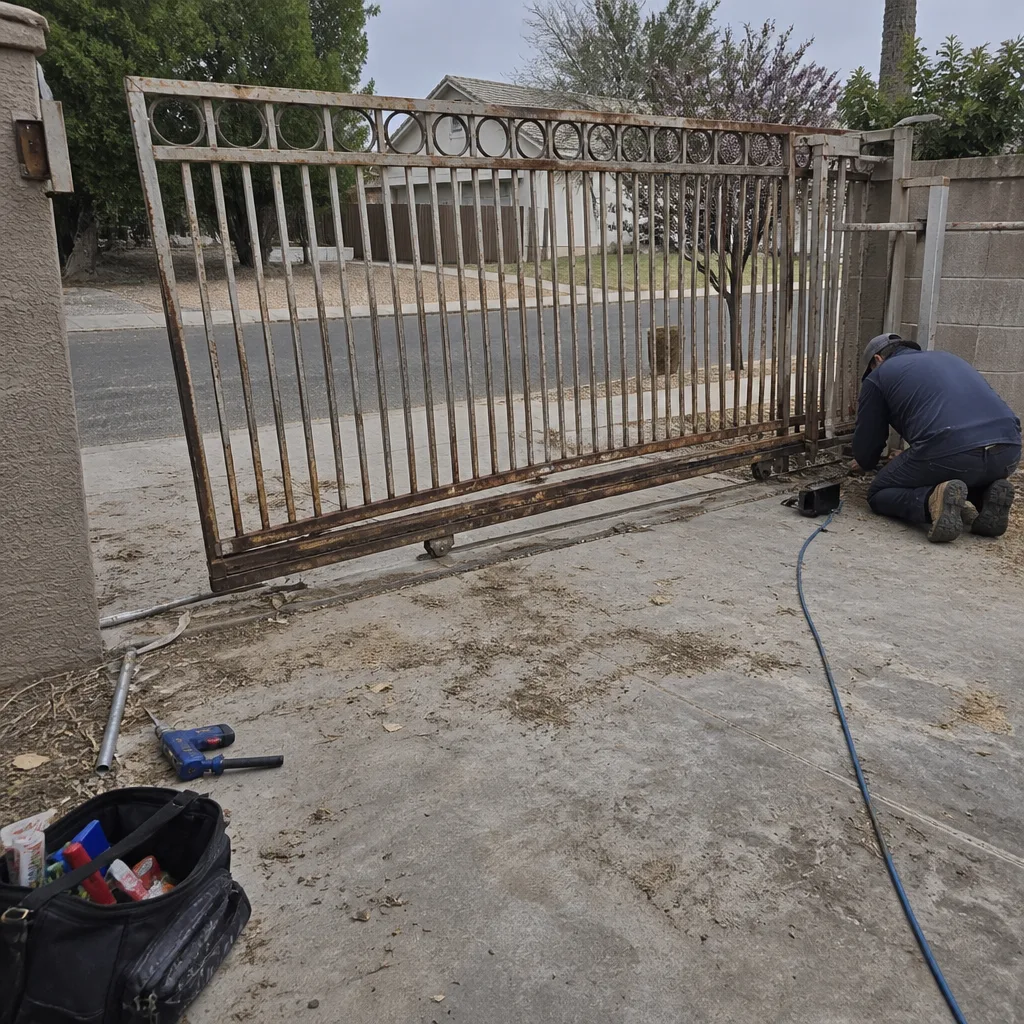 Before
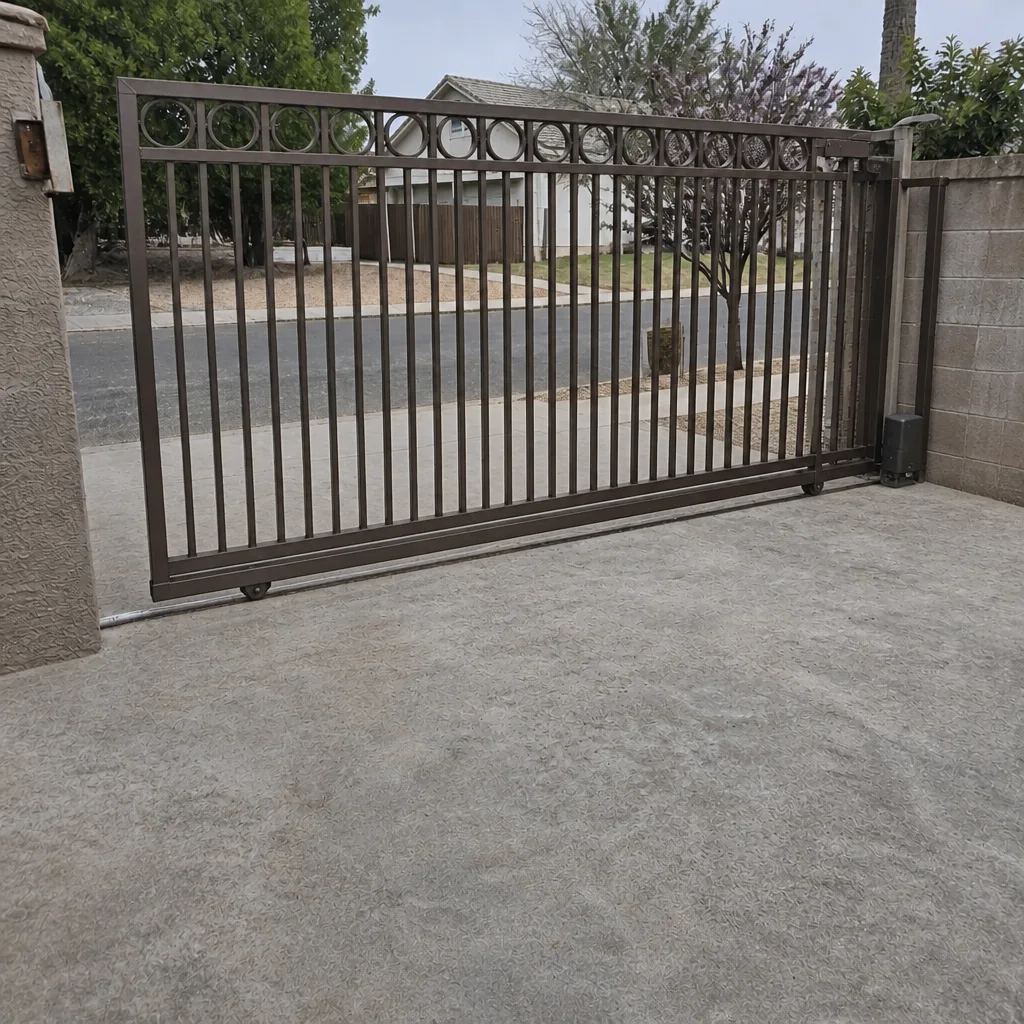 After
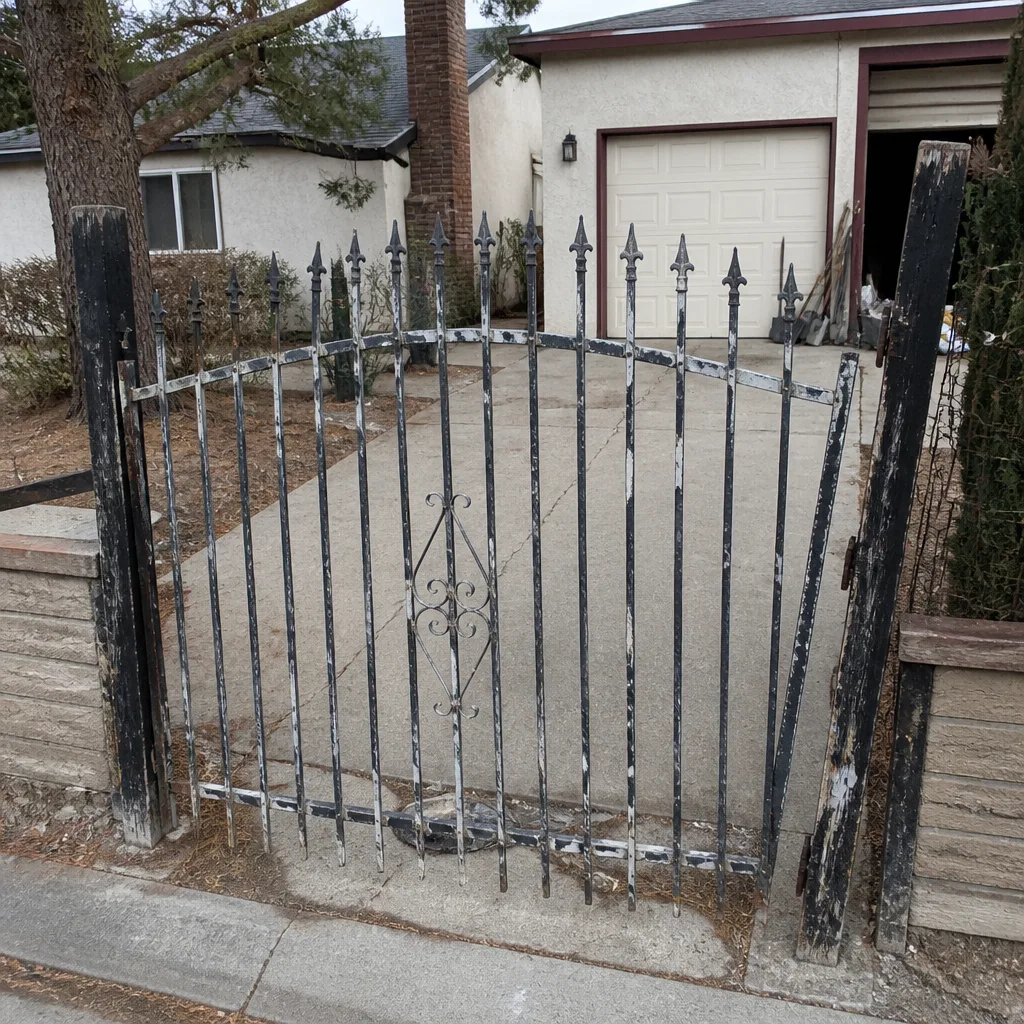 Before
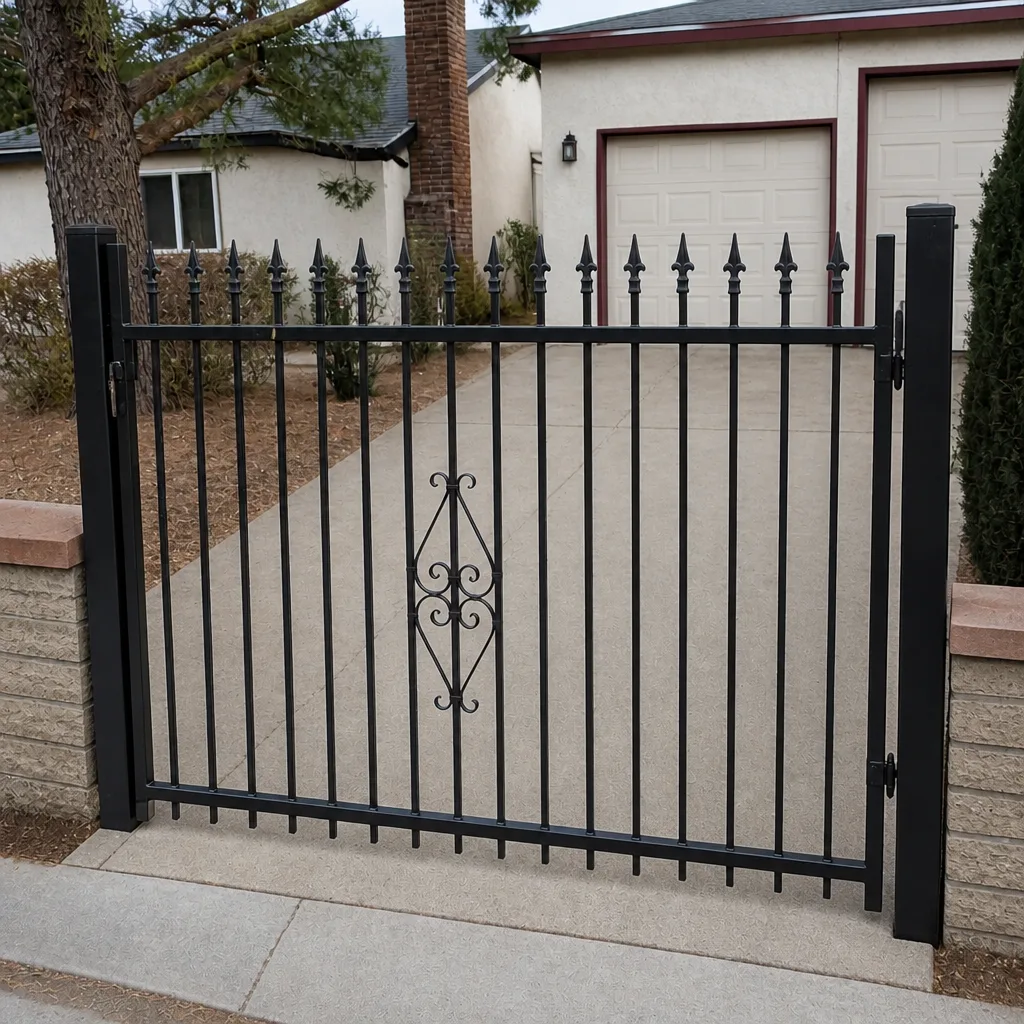 After
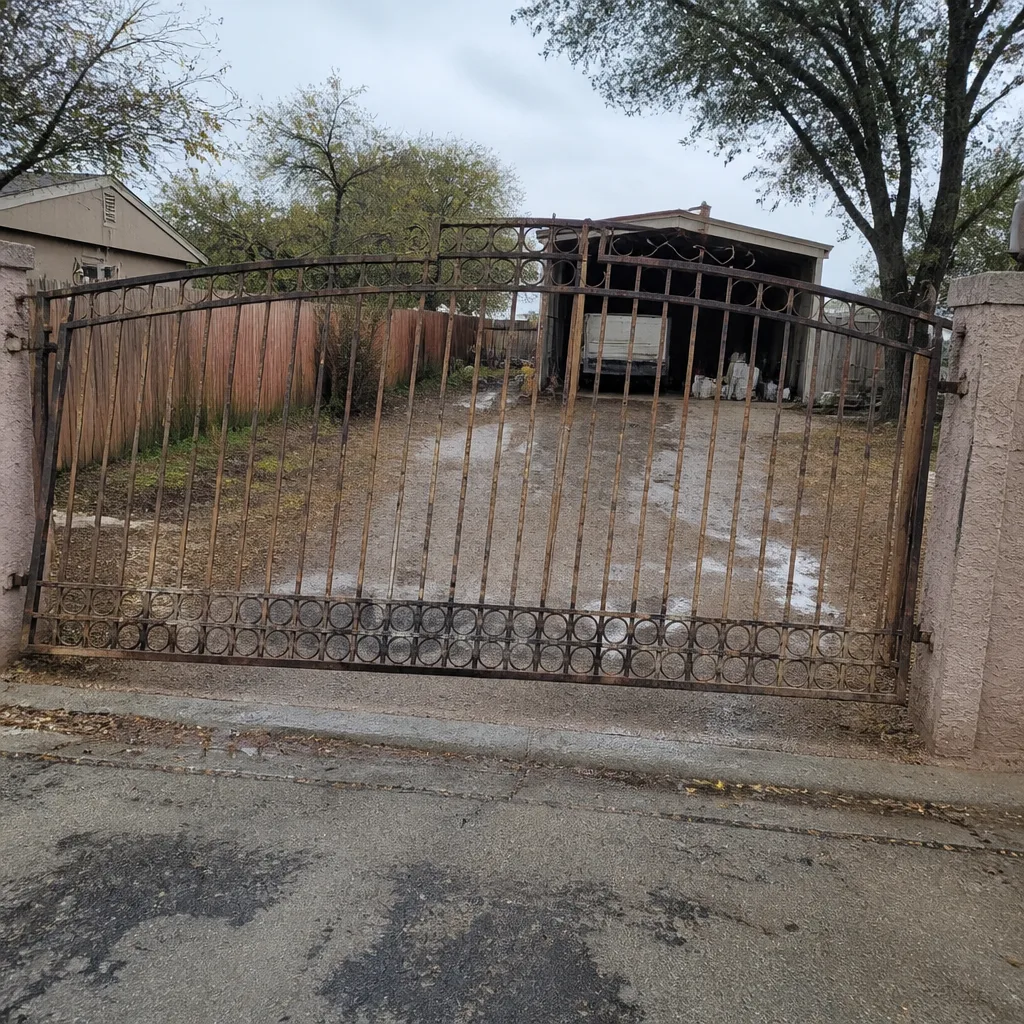 Before
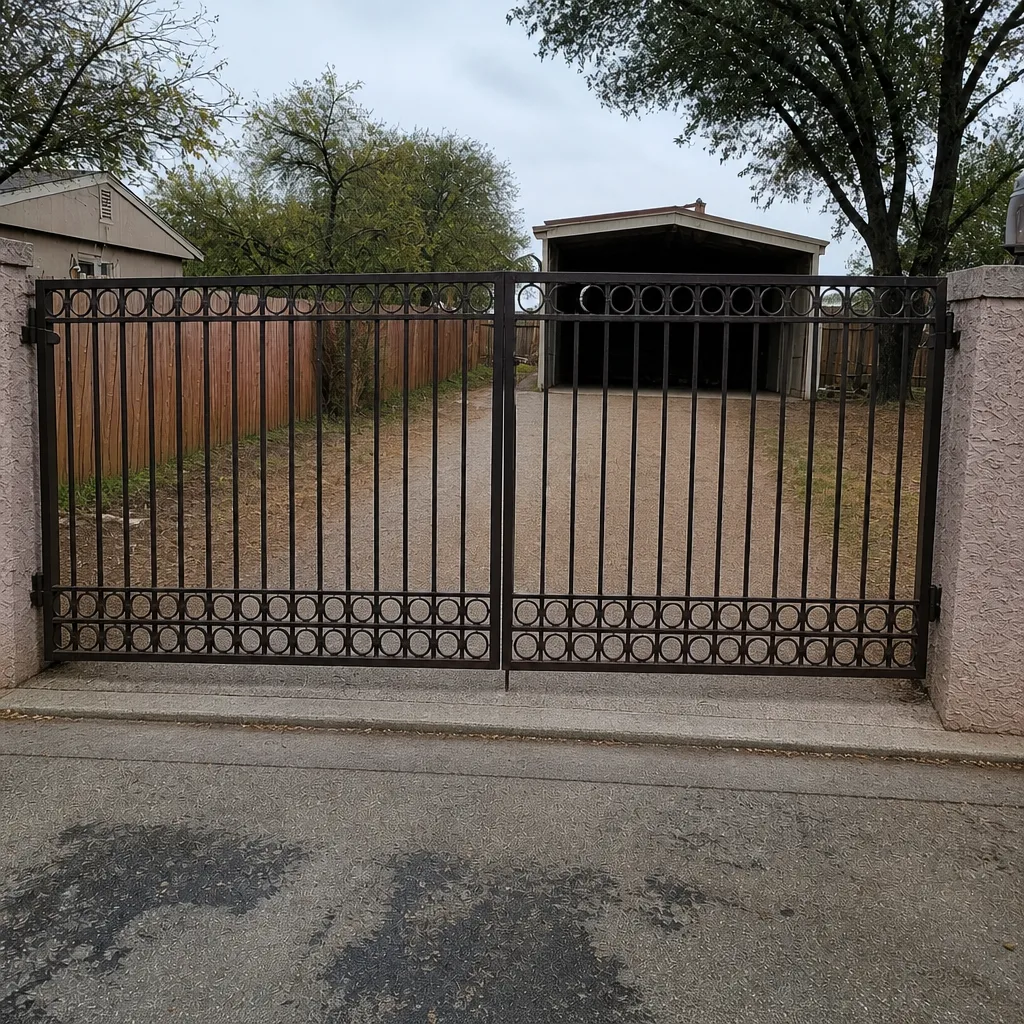 After
Swing Gate vs Sliding Gate in Whitney, NV: Choose Swing Unless Your Driveway Can’t Spare the Arc
Choose a swing gate in Whitney unless your driveway doesn’t have the depth to clear the arc - which, on most of this town’s small tract lots, it doesn’t. A swing gate needs roughly 90% of its own width in clear space behind the post before the first obstruction, and a sliding gate needs none. Measured against a 12-foot gate, that means 10 to 11 feet of open pavement inside your property line. If you’re short of that, the decision is already made. Call (855) 928-1304 and we’ll confirm it on your driveway the same day.
Key Takeaways
- Most Whitney driveways can’t clear the swing arc for a wide gate, so sliding wins on geometry before price matters.
- Swing posts sit in torque, not just weight, and caliche soil near Warm Springs Road means a bigger footing pad.
- Sliding gates trade the arc problem for a track that Whitney’s monsoon runoff fills with grit every year.
- The company you hire should be able to tell you which one fits on the first visit, not after ordering parts.
Why Clearance Geometry Decides This in Whitney Before Anything Else
The opening rule is simple and most comparison articles skip it entirely: measure from the gate post to the first thing the gate would hit when it swings inward. That obstruction is usually a parked car, a block-wall return, or an A/C condenser pad pushed against the fence line. On the small single-family lots that make up most of Whitney, one of those three is almost always closer than ten feet.
If that number is less than 90% of the gate’s width, a swing gate is out. Not “out unless you spend more” - out. You can’t argue a gate out of physics. A 14-foot swing gate on a driveway with 11 feet of clear depth will hit the wall, hit the car, or sit propped open permanently because nobody wants to move the truck every time they come home.
Sliding gates don’t need an arc. They need a track and a run of fence line to slide along. On a block-wall-enclosed lot, that run is often the side yard return - the same place the builder left the original ornamental gate. That’s exactly why we get so many calls from homeowners who bought a wide swing gate on looks and now watch it drag through the gravel after every storm.
Here’s the honest framework we use on-site:
- Clear depth behind the post ≥ 90% of gate width? Swing is viable. Move to footing depth and operator type.
- Clear depth under that, but you have eight-plus feet of straight fence line to slide along? Sliding is your gate.
- Neither? You’re into a redesign - usually a shorter single-leaf swing gate, a pedestrian gate plus a separate driveway gate, or repositioning a post. That’s the conversation to have before any metal is cut.
The Caliche Problem: Why a Swing Gate Costs More Here Than a Chart Suggests
Whitney’s soil is the part of this comparison nobody puts in a price table. In the neighborhoods off Warm Springs Road, gate posts often sit in caliche-hard ground - a cemented layer that resists digging and occasionally cracks and settles after a hard monsoon season. For a swing gate, that matters because a swing gate puts torque on its hinge post every time it moves. The post isn’t just holding weight. It’s resisting a turning force, and a small footing will slowly twist in settling ground.
Translated into a real number: a swing gate’s hinge post almost always needs a larger concrete footing pad than the same gate would need as a slider - often a wider, deeper pour at the primary hinge, plus a matching pad at the latch post. Some jobs turn into a footing replacement entirely, which is where a “cheap” swing gate quote quietly grows.
A sliding gate loads its posts down, not around. The bottom rail carries the weight on the track and the posts mostly keep things aligned. That’s a more forgiving arrangement in caliche, and it’s why footing cost is the second thing we check after clearance.
Swing Gate vs Sliding Gate: A Direct Comparison for Whitney Homes
| Factor | Swing Gate | Sliding Gate |
|---|---|---|
| Arc clearance needed | About 90% of gate width behind the post | None - needs a fence-line run to slide along |
| Footing demand in caliche | Larger pad at the hinge post to resist torque | Post alignment matters more than pad size |
| Typical operator | Articulated arm or underground operator | Rack-and-pinion or chain drive |
| Main Whitney maintenance | Hinge wear, sag, latch misalignment in summer heat | Track channel fills with monsoon sediment, needs seasonal clearing |
| Best fit | Deep driveways, side-yard entries, tight lots with short single leaves | Small lots, wide openings, block-wall enclosures |
| Service difficulty | Arms are compact and easy to access | Drives are simple to service but the track is the wear point |
Note what isn’t in that table: a single “swing costs $X, slide costs $Y” line. In Whitney, the footing and clearance differences swing the total by more than the hardware difference in most jobs, in both directions. That’s the part a generic price chart can’t tell you.
The Sliding Gate Trade-Off: That Track Has to Stay Clear
Sliding gates solve the geometry problem, but they hand you a maintenance problem instead: the track. On a stucco tract home with a driveway apron sloping gently to the street, the track has to sit flush with the apron or the gate hangs up on the lip every cycle. Flush is the right install - and flush is also the perfect place for monsoon runoff to deposit sand, silt, and grit.
By mid-September, a track that isn’t cleared starts making the gate stutter, and an operator that stutters is an operator working harder than it should. The fix is genuinely simple - brush and clear the channel seasonally, and keep the drain path at the apron open. But it’s a real chore that comparison articles tend to leave out. A sliding gate is lower-effort than a swing gate on footings and clearance, and higher-effort on seasonal cleaning. That’s the honest trade.
This is also where a $89 seasonal tune-up earns its keep on a sliding gate. Clear the track, check the chain or rack tension, inspect the posts for the smallest shift after a heavy rain, and the gate keeps running. Skip it for two or three monsoons and the pinion gear starts eating itself.
The Motor Difference: Arms, Underground, Rack-and-Pinion, and Chain
Swing gates run on an articulated arm operator or an underground operator sunk into a vault beside the hinge post. The arm is the compact choice for tight Whitney lots because it mounts to the post and the gate leaf, not to the ground where the caliche fights you. The underground option is quieter and out of sight, but the vault has to drain, and in this soil that’s a conversation of its own.
Sliding gates run on a rack-and-pinion drive (a gear rack bolted along the bottom rail, driven by a motor pinion) or a chain drive. Rack-and-pinion is the gentler arrangement on a heavy gate. Chain drive is simpler to service and easier to adjust - and it’s the one that tells you the track is dirty, because you’ll hear it before you see it.
Most gates in this town didn’t start automated. Whitney’s tract housing was built mostly from the 1980s through the 2000s with builder-grade ornamental swing gates, and the sun and poor irrigation drainage have left gate sag, rusted hinges, and post heave as neighborhood-wide problems. So the most common job we get isn’t a fresh install - it’s retrofitting an original manual swing gate with an operator, or deciding whether that original gate should stay a swing at all. That retrofitting conversation is where the swing-vs-slide question really lives for most homeowners here.
How We Answer It on the First Visit
This is where brand training matters. Our technicians are trained and equipped on nine gate-automation brands - LiftMaster, FAAC, BFT, Linear, Viking, Ghost Controls, DoorKing, Elite, and Mighty Mule - and they carry both swing and slide automation components on the truck. That means the answer comes on your driveway, not after a parts order clears the warehouse:
- Measure clearance. Post to first obstruction, in feet. Compare to gate width.
- Check footing. Probe the hinge-post pad; look for cracking or tilt after recent rain, especially on caliche lots.
- Assess the track line. If swing is out, walk the fence line and confirm a straight run for the slide.
- Match the operator. Arm, underground, rack-and-pinion, or chain, chosen to fit the gate, the lot, and the brand already on the fence.
- Give you a price in writing. Upfront, before a single bolt is turned. No deferred surprises.
We’re a gate specialist for Whitney homeowners - not a generalist. From Gate Installation to hinge and weld repair to keypads and access control, it’s the whole scope, and that focus is why the answer is usually definitive the first time. If you’re also weighing a fresh install against a repair, our guide to Gate Installation in Whitney lays out the numbers, and you can always start back at our home page to see the full range of gate work we handle.
Every job we finish is covered by the 90-Day Done Right Promise - a written guarantee, no paperwork and no arguing. If something isn’t right, we come back and make it right. A live person answers our phone 24 hours a day, 7 days a week, and our technicians have up to 13 years of experience. That combination is why homeowners here call back the second time instead of shopping again.
FAQs
For most small Whitney driveways, a sliding gate is the better fit because it needs no swing arc. The test is simple: if the clear depth from the gate post to the first obstruction is less than 90% of the gate’s width, a swing gate will hit something on every cycle. Sliding sidesteps that entirely, though it adds a track that needs seasonal clearing after monsoon runoff.
Total installed cost in Whitney typically lands in a similar range for both, but the swing side carries a hidden footing cost because the hinge post has to resist torque in the caliche soil off Warm Springs Road, so the concrete pad is often larger and, on some jobs, replaced outright. That’s why we price both options on-site with a written estimate before any work begins rather than quoting from a chart. Call (855) 928-1304 and we’ll come out and give you real numbers for your driveway.
Yes - that retrofit is the most common job we get in Whitney, since most of the original gates here were installed as manual swings back when the homes were built. We check whether the original gate and posts can carry an operator, then recommend keeping it as a swing with an arm or underground operator, or rebuilding it as a slider if clearance rules the swing out. Either way, we carry both swing and slide automation components, so we can usually give you a definitive answer on the first visit.
Yes - a live person answers our line 24 hours a day, 7 days a week, and most jobs are completed in a single visit with pricing settled before we start. Call (855) 928-1304 for a free estimate. Estimates are free, the price is upfront, and the job is backed in writing.
Get the Answer on Your Driveway
If you’d rather have it looked at by someone who can tell you which gate actually fits, Ironworks Gate Co. Whitney offers a no-pressure assessment in Whitney - call (855) 928-1304. We’ll measure the clearance, look at the footing, and hand you a written price for the right gate, not the one that looks best in a photo.
Written by the team at Ironworks Gate Co. Whitney, serving Whitney, NV.