
Last updated November 17, 2026
 Wrought iron
 Wood & steel frame
 Farm & ranch
 Sliding driveway gates
 LiftMaster operators
Free on-site gate assessment - hinges, posts, and your LiftMaster or Nice gate operator checked before anything is quoted
The assessment is free and the quote is the invoice.
Get your free estimateHow Long Does Gate Motor & Opener Take? Timelines and What to Expect
If a company quotes you a gate opener installation over the phone without asking about your power source location, your post material, or your gate weight, the timeline they give you is fiction. We’ve seen it too many times in Whitney: a homeowner is told “a couple of hours,” the crew arrives, and three hours in they’re still trenching for conduit because nobody asked where the panel sits relative to the gate post. The honest answer is that opener work runs anywhere from a two-hour like-for-like swap to a two-day new installation, and the gap between those extremes is entirely a matter of site conditions. This guide maps the three real job types to realistic time ranges, explains what adds time that you can verify in advance, and covers what the final hour of any installation must include. By the end you’ll know what to expect before anyone sets foot on your property.
Quick Answer
A gate motor and opener installation typically takes 2 to 4 hours for a like-for-like replacement, 4 to 6 hours for a new opener on existing gate infrastructure, and 1 to 2 days for a full new installation that includes a conduit run, control wiring, and a new mounting post. In Whitney, the largest single variable is how far the power panel sits from the gate and whether conduit is already in the ground.
Styles & brands we work with
- Wrought iron
- Wood & steel frame
- Farm & ranch
- Sliding driveway gates
- LiftMaster operators
Table of Contents
- The Three Job Types and Their Realistic Timelines
- What Adds Time On-Site (And What You Can Check in Advance)
- The Curing Time Factor: Why Some Jobs Span Two Days
- The Final Hour: What Every Installation Must Include
- Working in Whitney Heat: Why Morning Installations Run Smoother
- How Brand Choice Affects the Timeline
- Pre-Installation Checklist: What to Have Ready
The Three Job Types and Their Realistic Timelines
Not all opener jobs are the same animal. When you install a gate motor and opener in Whitney, the work falls into one of three categories, and each has its own rhythm. Knowing which one you’re facing is the first step toward an honest timeline.
1. Like-for-Like Replacement (2 to 4 hours)
This is the simplest scenario: your existing operator has failed, and the new unit mounts to the same post, uses the same wiring, and has the same footprint. The old motor comes off, the new one goes on, the limits get set, the safety sensors get aligned, and you get a remote walkthrough. For a straightforward swap on a LiftMaster or Linear unit, we’ve had homeowners back to their normal routine by lunch. The catch is that a “like-for-like” job is only truly like-for-like if the old wiring is sound and the post is solid. A rotted post or corroded wire run can push this into the next category.
2. New Opener on Existing Infrastructure (4 to 6 hours)
Here the gate and posts are already in place and in good condition, but you’re adding an operator for the first time, or replacing a unit from a different brand with a different mounting bracket. This includes mounting the operator arm, running control wiring from the operator to the keypad or entry point, setting travel limits, aligning safety edges or photo-eye sensors, and programming remotes. Four to six hours is the realistic window. DoorKing and Elite units sometimes run slightly longer because their control boards offer more configuration options, and every one of those options needs to be set correctly before we hand you the remote.
3. Full New Installation (1 to 2 days)
This is the job that catches homeowners off guard. The gate itself is new, or the gate is being automated from scratch with no existing electrical infrastructure. It includes trenching and running conduit from the power panel to the gate post, pulling low-voltage control wire, setting a new mounting post in concrete, mounting the operator, and then all the commissioning work. If a new post is involved, the concrete must cure before the operator can be mounted, which is why the job spans two days. We’ll cover that in more detail below.
What Adds Time On-Site (And What You Can Check in Advance)
Most timeline surprises come down to a handful of site conditions. The good news is that you can check every one of these before the crew arrives, and a company that’s worth hiring will ask about them first.
- Distance from the power panel to the gate post. This is the single biggest variable. A panel twenty feet from the gate post means a short, quick conduit run. A panel on the opposite side of the house with a concrete driveway or a mature tree line in between means trenching, and trenching takes time. In Whitney, homes with long side yards and detached garages off the alley often have longer runs than the homeowner expects.
- Whether conduit is already run. If there’s a dedicated electrical conduit already in the ground from a previous installation, you save hours. If not, the crew is trenching from scratch, and that alone can add two to four hours to a full installation.
- Post material and its suitability for mounting. The operator needs a solid mounting surface. A steel post in good condition is ideal. A rotted wood post, a hollow vinyl post, or a brick pillar with no internal reinforcement may need to be sleeved, braced, or replaced before the operator can be hung. Ask your installer what the mounting surface looks like when they do their site assessment.
- Gate weight and swing type. A heavy ornamental iron gate needs a different operator than a lightweight aluminum one, and some operators simply aren’t rated for the load. If the gate is oversized for the unit being quoted, the timeline stretches because a different unit needs to be sourced.
- Existing wiring condition. Old control wire can be corroded or undersized. If it needs to be replaced, the crew is pulling wire through conduit that may or may not cooperate.
When we assess a gate installation in Whitney, we look at every one of these before we give a timeline. That’s why our quote is based on what’s actually on your property, not a phone-call guess.
The Curing Time Factor: Why Some Jobs Span Two Days
If your installation requires a new mounting post, the timeline isn’t measured in hours. It’s measured in days. Here’s why, and what happens between them.
The operator needs a post that won’t move. That post is set in concrete, and concrete needs time to cure before it can bear the weight and torque of a working gate operator. Cutting that corner and mounting the operator on green concrete leads to a loose post, a misaligned operator, and a gate that swings wrong within weeks. We won’t do it, and you shouldn’t hire anyone who will.
- Day one: The crew digs the post hole, sets the new post in concrete, runs the conduit, and pulls the wiring. Depending on the run length and the site conditions, this takes most of a working day.
- The gap: The concrete cures. In Whitney’s summer heat, cure time can be faster than in cooler weather, but the post still needs to be left alone for a minimum period before the operator can be mounted. This isn’t a scheduling convenience; it’s a structural requirement.
- Day two: The operator is mounted to the cured post, the control wiring is terminated, the travel limits are set, the safety sensors are aligned, and the full commissioning process runs from start to finish.
A company that promises a same-day full new installation with a new post is promising something the concrete won’t allow. When you’re planning a new gate installation, ask whether a new post is involved. If it is, plan for two days and you’ll never be caught off guard.
The Final Hour: What Every Installation Must Include
The operator is mounted and wired. The job looks done. It isn’t. The last hour is the one that determines whether the gate runs reliably for the next ten years or starts misbehaving in a month. Here’s what that hour must contain, and what to watch for if you’re not sure it happened.
- Travel limit setting. The operator needs to know exactly when to stop on both the open and close cycle. Limits that are set too far cause the operator to strain against the gate frame; limits that are set too short leave the gate partially open or not fully latched. Every gate operator, from a Mighty Mule to a DoorKing, requires this to be dialed in precisely.
- Safety sensor alignment. Photo-eye sensors must be aligned across the gate opening and tested by breaking the beam while the gate is in motion. The gate should stop and reverse. Safety edges on the gate face must also be tested by applying pressure. This is not optional on a modern operator, and it must be verified on-site, not assumed.
- Force adjustment testing. The operator has a force sensitivity setting that determines how much resistance it will overcome before reversing. Set it too high and the gate won’t reverse on an obstacle; set it too low and the gate reverses on a gust of wind. This is a physical test, not a number in a manual.
- Full remote programming walkthrough with the homeowner. The technician should program every remote you have in front of you, show you how to add or remove a remote, walk you through the keypad code change process, and demonstrate the manual release so you know how to open the gate by hand during a power outage. If you’re handed a remote with no walkthrough, ask for one before the crew leaves.
Our technicians have up to 13 years of experience, and every one of them runs this final-hour checklist on every installation. It’s why the 400th job gets the same care as the first. It’s also why we back every job with our written 90-Day Done Right Promise: if the limits drift or a sensor goes out of alignment in the first ninety days, we come back and fix it, no argument, no paperwork.
Working in Whitney Heat: Why Morning Installations Run Smoother
Whitney summers are serious. Afternoon temperatures push past 100 degrees for weeks at a stretch, and that heat changes how a job site performs. Concrete sets faster in high heat, which can actually help the post-curing timeline, but it also means the crew has a narrower window to work with the concrete before it flashes. Adhesives, sealants, and wire insulation all behave differently in extreme heat. And the technicians themselves work more carefully and more accurately in the morning hours.
In our experience, a morning start is almost always the better call for an installation in Whitney during the peak season. The crew arrives rested and cool, the site is in shade if there’s shade to be had, and the bulk of the heavy work (trenching, post-setting) happens before the heat peaks. Afternoon jobs in July and August can stretch as much as an extra hour simply because the crew paces itself to stay safe. If you’re scheduling in the summer months, ask for a morning slot. If you’re scheduling a gate repair in Whitney, the same logic applies: a morning call gets a cooler, faster crew.
One more Whitney-specific note: driveways with mature desert landscaping and deep gravel can be harder to trench than they look. A crew that’s familiar with the area knows what the ground is like and will account for it in the schedule. A crew that isn’t will dig, hit a root or a buried irrigation line, and lose an hour figuring it out.
How Brand Choice Affects the Timeline
The gate automation brand you choose has a real effect on installation time, mostly at the commissioning stage. We’re trained and equipped on nine major brands, which means we can install and commission any of them correctly on the first visit, but some run faster than others.
- LiftMaster and Linear units tend to have the most straightforward commissioning processes. Controls are accessible, limits are easy to set, and the remote programming is quick. These often sit at the shorter end of the range for a like-for-like swap or a new installation.
- DoorKing units offer a lot of configuration, which is great for access control and something we’ll use when the job calls for it, but that configuration takes time. A DoorKing installation with a keypad and a loop detector can add an hour to the commissioning phase versus a simpler unit.
- Elite and Viking units sit in the middle: reliable, well-understood, and usually predictable on install time. Viking operators are common on residential swing gates and generally commission quickly.
The brand matters less than the installer’s familiarity with it. A technician who installs the same brand every day will be faster and more accurate than one who’s seeing it for the first time. That’s exactly why we keep a trained crew on all nine brands: whatever is on your driveway, the correct fix is made on the first visit. If you’re curious what brand fits your gate, read more about our gate motor and opener services in Whitney or visit Ironworks Gate Co. Whitney for the full picture.
Pre-Installation Checklist: What to Have Ready
A little preparation on your end can shave time off the installation day and help the crew work clean. Here’s what we ask homeowners to have ready before we arrive.
- Clear access to the power panel and the gate post. Move vehicles, lawn equipment, and anything else blocking the path from the panel to the gate. The crew needs room to trench, and a clear path is a faster path.
- Know where the panel is and whether there’s a spare breaker. If the panel is full, the crew may need to adjust the plan, which adds time. A quick look before the crew arrives helps.
- Gather every remote and keypad code you have. If you’re replacing an existing operator, the crew will want to reprogram your remotes and retire the old ones. Having them all in one place saves the search.
- Note any known issues with the gate itself. A gate that drags, binds, or sags needs to be addressed before an operator is installed on it. Tell the crew up front so they can plan for it.
- Plan to be home for the walkthrough. The final hour of any installation includes a remote programming walkthrough with the homeowner. If you’re not there, you won’t get it, and that’s the part that makes the gate easy to live with.
Common Mistakes to Avoid
- Accepting a firm timeline over the phone. A company that quotes a time without asking about your power panel location, post material, and gate weight is guessing, and the guess will usually be wrong. Ask for a site assessment first.
- Skipping the site assessment to save a day. It seems efficient, but the assessment is where the real timeline comes from. Every extra hour on install day is a surprise that was avoidable.
- Mounting an operator on a post that isn’t ready. If a new post is set, it must cure before the operator goes on. A company that offers to skip the cure time is offering a future repair.
- Underestimating the conduit run. In Whitney, long side yards and detached garages mean the run from the panel to the gate is often longer than expected. Measure it or have the installer measure it before quoting.
- Not testing the safety reversal before the crew leaves. Watch the technician break the sensor beam and put pressure on the safety edge while the gate is moving. If it doesn’t reverse, it’s not finished.
- Letting the remote walkthrough slide. You’ll need to add a remote for a new family member or change the keypad code eventually. The walkthrough is where you learn how.
- Scheduling an afternoon installation in peak summer. In Whitney heat, a morning slot is simply a better experience for everyone, and usually a faster one.
See the difference
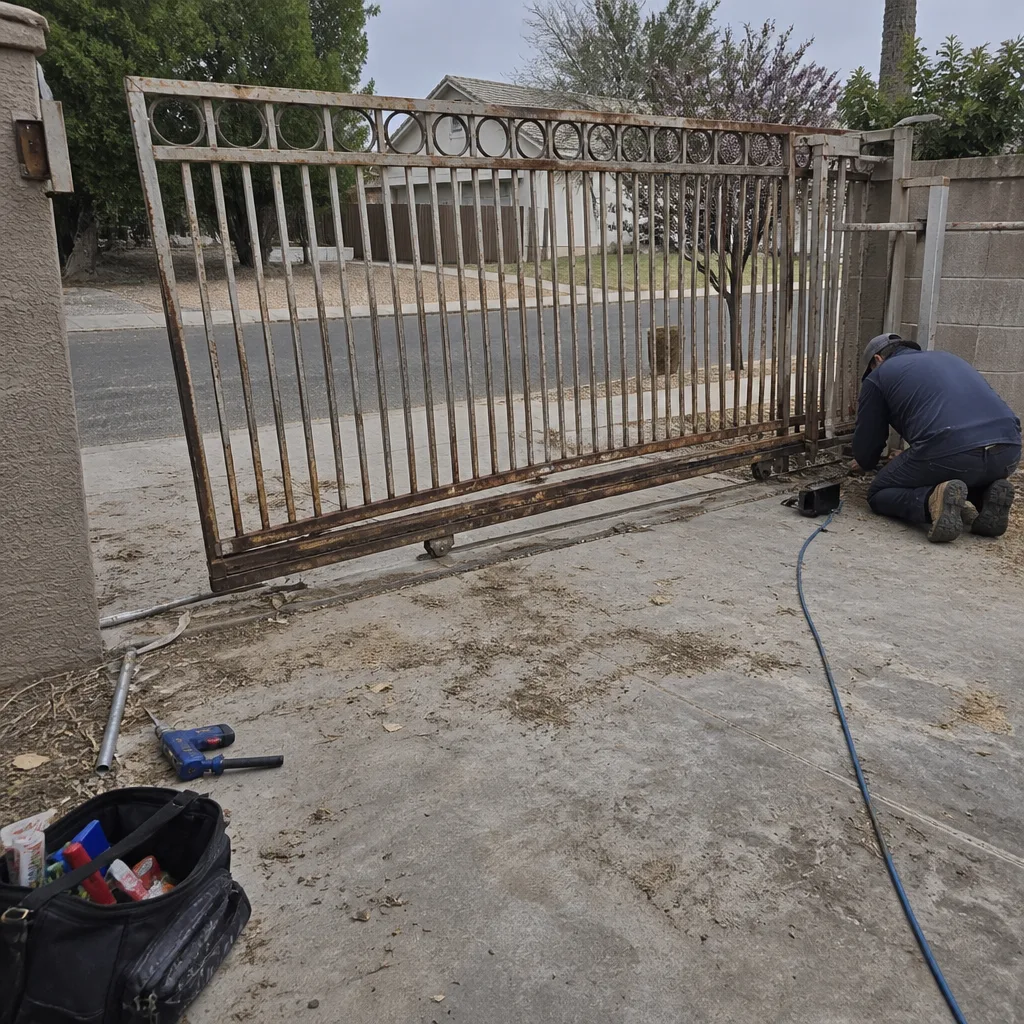 Before
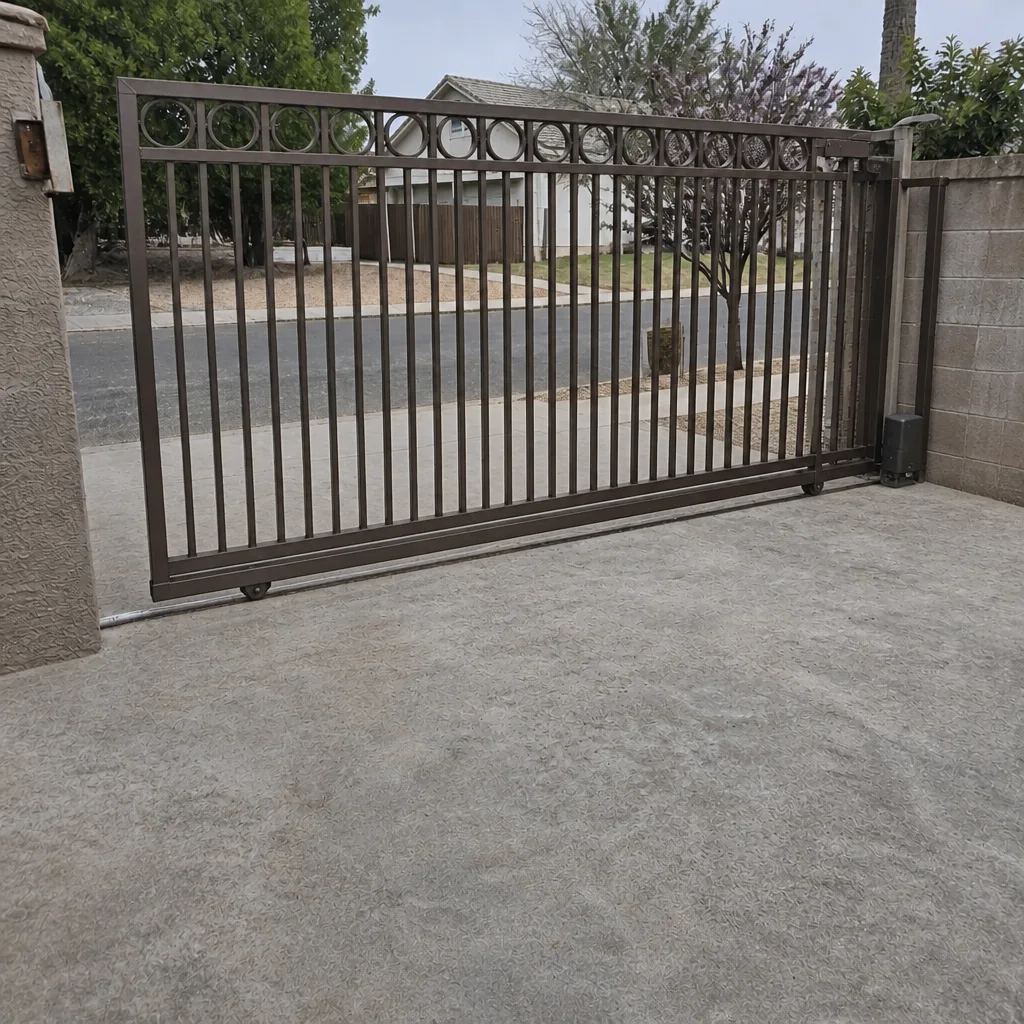 After
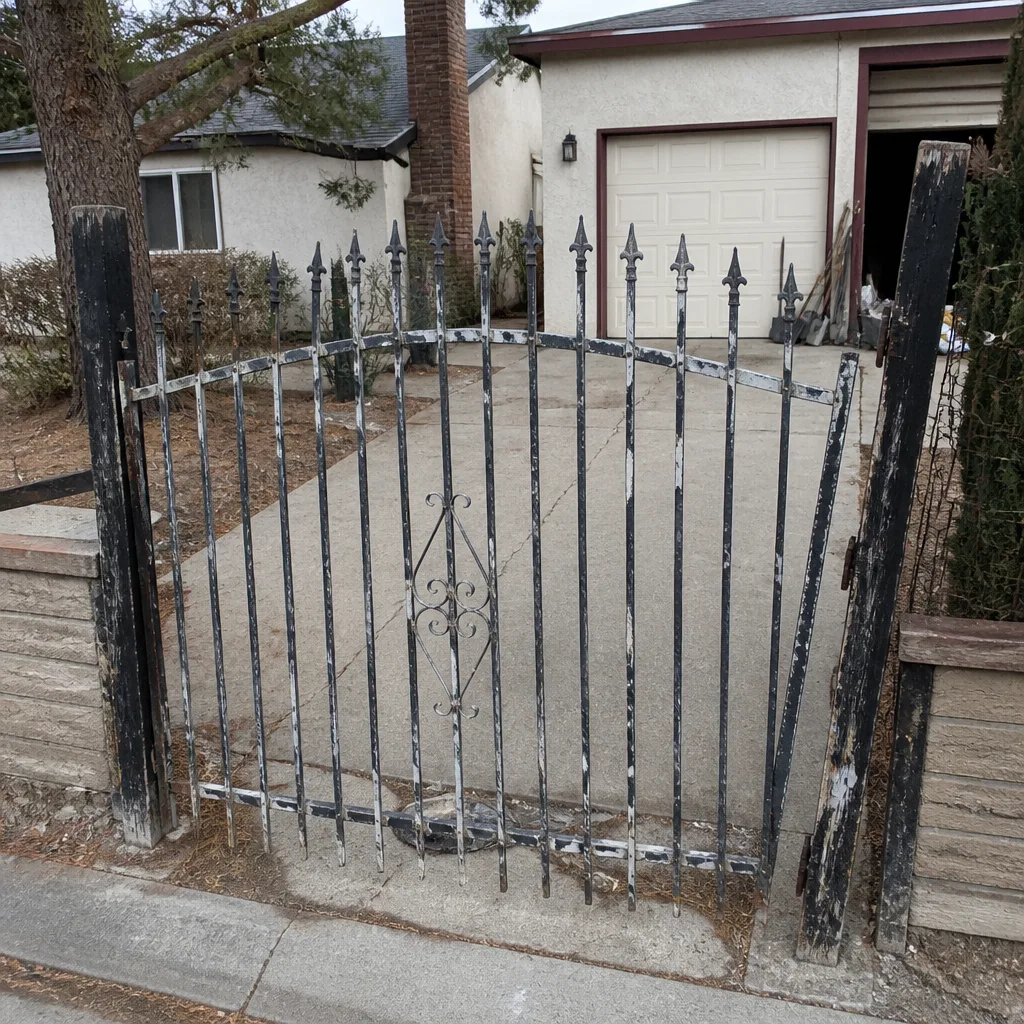 Before
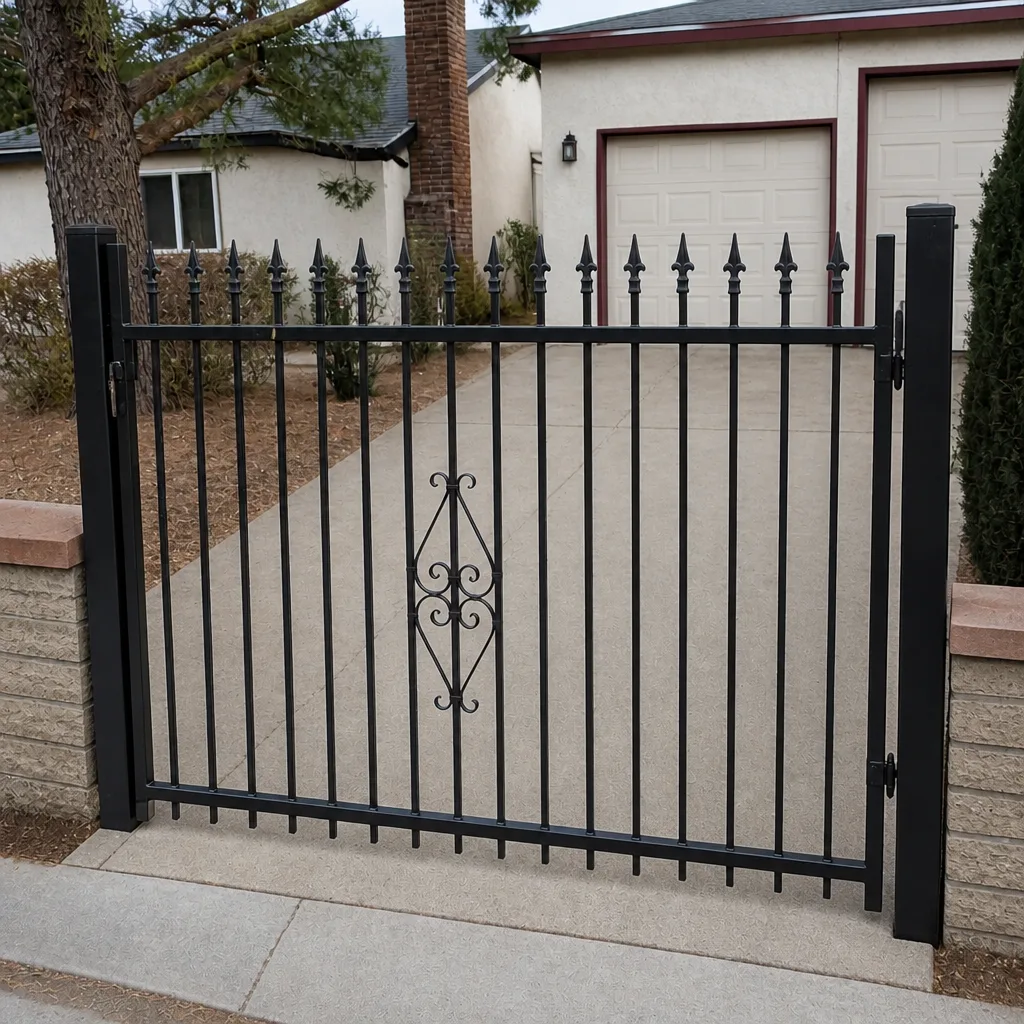 After
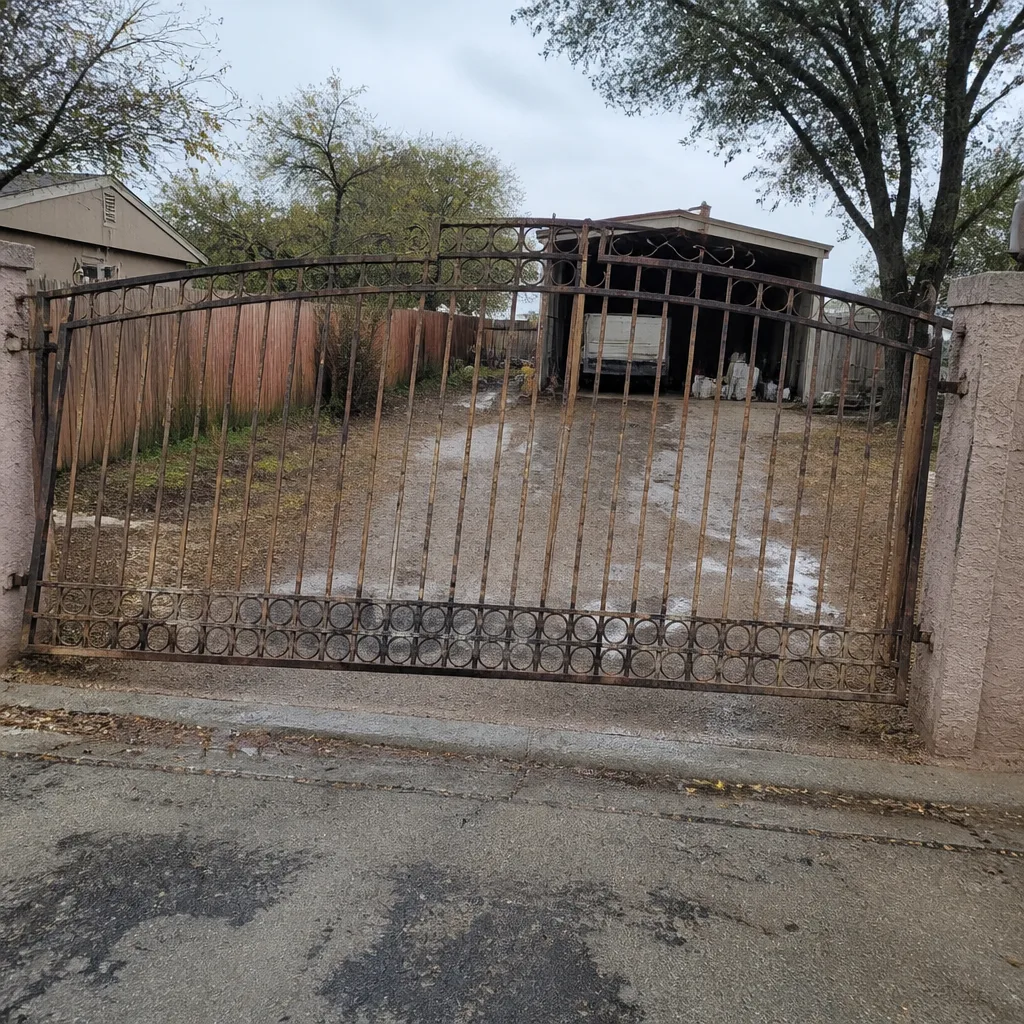 Before
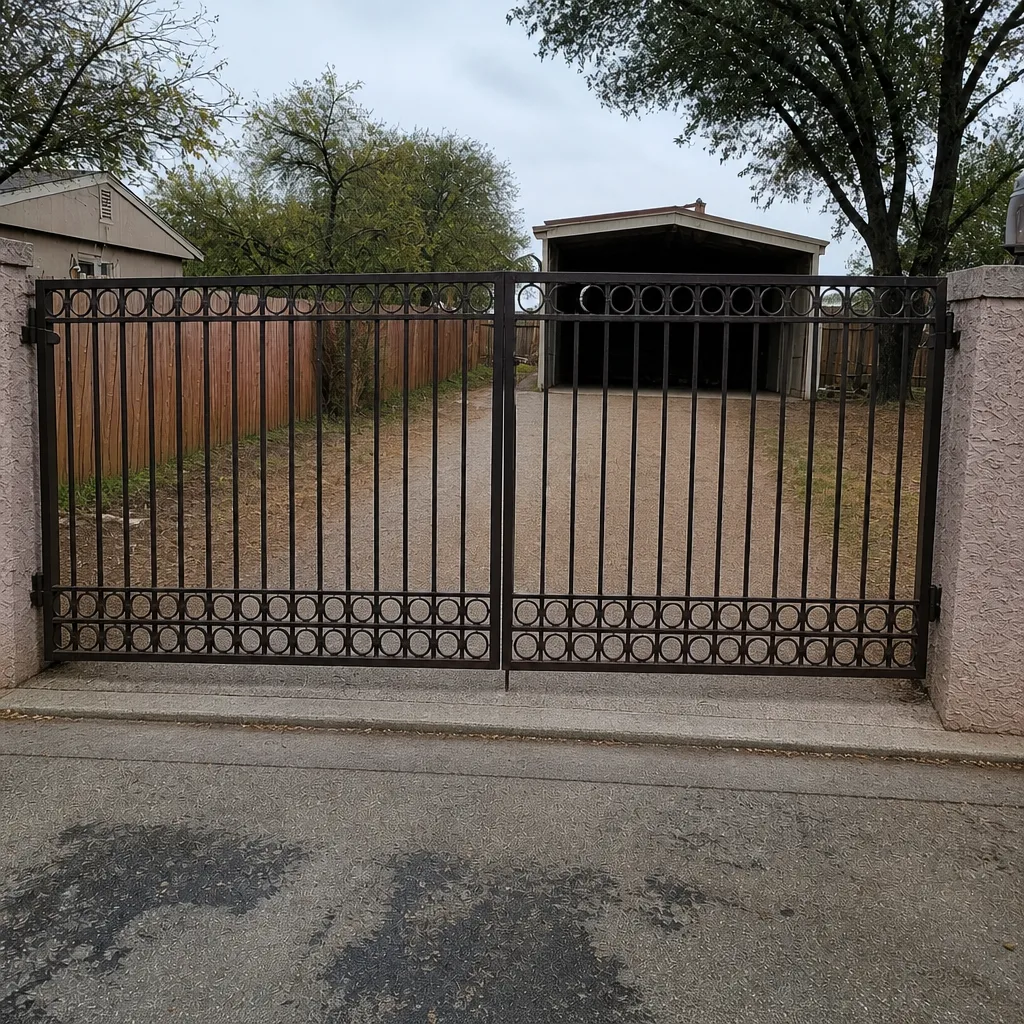 After
When to Call a Professional
Some opener work is genuinely simple, but a lot of it involves high-torque motors, electrical connections, and the kind of physical forces that can injure an untrained person. If your gate is leaning or binding, if the operator is making a grinding noise, if the safety sensors won’t stay aligned, or if the power run to the gate needs to be extended or replaced, call a professional. If the gate post is rotted or the mounting surface is questionable, call a professional before it fails with the operator on it. And if the job is a full new installation with a conduit run and a new post, this is not a weekend project. Ironworks Gate Co. Whitney offers free estimates in Whitney. Call (855) 928-1304 and we’ll assess your site, give you a written price before any work starts, and tell you honestly how long your specific job will take.
Frequently Asked Questions
Most opener installations in Whitney fall between 2 hours for a like-for-like replacement and 2 days for a full new installation with a new post and conduit run. The typical new opener on existing infrastructure runs 4 to 6 hours. The variance comes from your power panel distance, whether conduit is already run, and the condition of the mounting post. Call (855) 928-1304 for an exact quote based on your site, and the estimate is free.
Yes, if the gate and posts are already in place and in good condition, and the electrical infrastructure is already there. A single-day installation of 4 to 6 hours covers mounting, wiring, limits, sensor alignment, and the remote walkthrough. If a new post must be set in concrete, a single day isn’t possible because the concrete has to cure. Call (855) 928-1304 to find out which category your job falls into.
Because concrete needs to cure before the operator can be mounted, and mounting an operator on green concrete leads to a loose post and a misaligned gate. Day one sets the post and runs the conduit; day two mounts the operator and commissions it. Any company that offers to skip the cure time is cutting a corner you’ll pay for later. Call (855) 928-1304 and we’ll walk you through what your installation involves.
Travel limit setting, safety sensor alignment, force adjustment testing, and a full remote programming walkthrough with the homeowner. All four are required for the gate to operate safely and reliably. Watch the technician test the safety reversal before the crew leaves. If it’s not tested, it’s not done. Call (855) 928-1304 to schedule a free measure and a written price.
It depends on the job, and we’ll tell you upfront. A like-for-like swap usually reuses existing wiring. A new installation includes the conduit run and control wiring, and the safety sensors are a standard part of any installation we do. We quote the full scope before any work starts, so there are no surprises on the bill. Call (855) 928-1304 for a free estimate and a written price.
Mornings. Whitney summer heat pushes past 100 degrees by early afternoon, and the crew works more accurately and safely in the morning hours. Trenching and post-setting happen while the site is cooler, and afternoon jobs can stretch an extra hour or more as the crew paces itself. If you’re scheduling in peak season, ask for a morning slot. Call (855) 928-1304 to book one.
The Bottom Line
An opener installation timeline isn’t a single number. It’s 2 to 4 hours for a like-for-like replacement, 4 to 6 hours for a new opener on existing infrastructure, and 1 to 2 days for a full new installation with a new post and conduit run. What adds time is almost always something you can check in advance: the distance from your power panel to the gate, whether conduit is already run, and whether the mounting post is ready. The final hour of every installation must include limit setting, sensor alignment, force testing, and a walkthrough with you. In Whitney heat, a morning start is the smarter call. And none of it should happen without a written price agreed before a single bolt is turned.
Ironworks Gate Co. Whitney specializes exclusively in driveway and estate gate services, and we’ve been at it long enough to know that a timeline is only useful if it’s honest. Call (855) 928-1304 for a free estimate. A live person answers every call, 24 hours a day, 7 days a week. Our technicians have up to 13 years of experience, we’re trained on nine leading gate-automation brands including LiftMaster, FAAC, BFT, Linear, Viking, Ghost Controls, DoorKing, Elite, and Mighty Mule, and every job is backed by our written 90-Day Done Right Promise. Standing offers include $50 Off Any Repair Over $250, a Free Second Opinion on Any Written Estimate, an $89 Seasonal Tune-Up, and a 5% Senior and Veteran discount. Done right, and backed in writing.
Written by the team at Ironworks Gate Co. Whitney.