
Last updated November 17, 2026
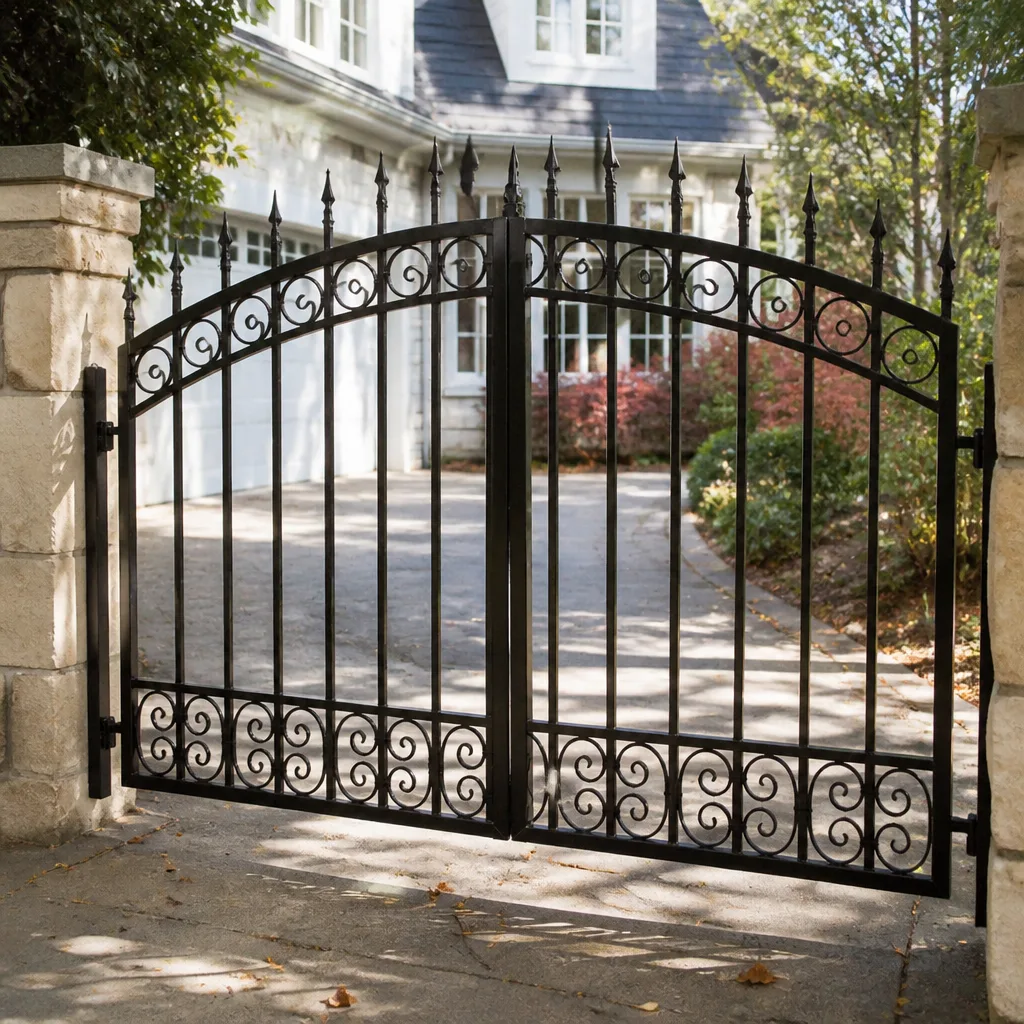 Wrought iron
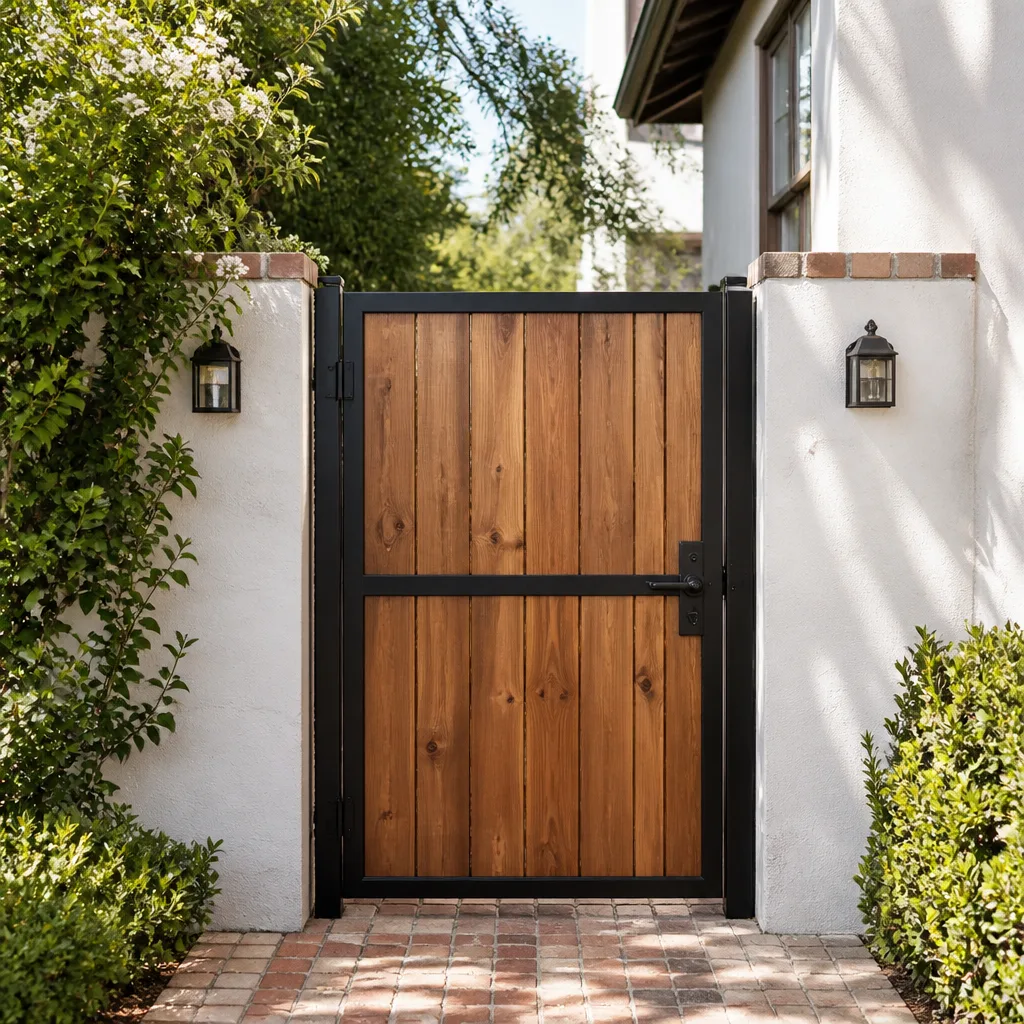 Wood & steel frame
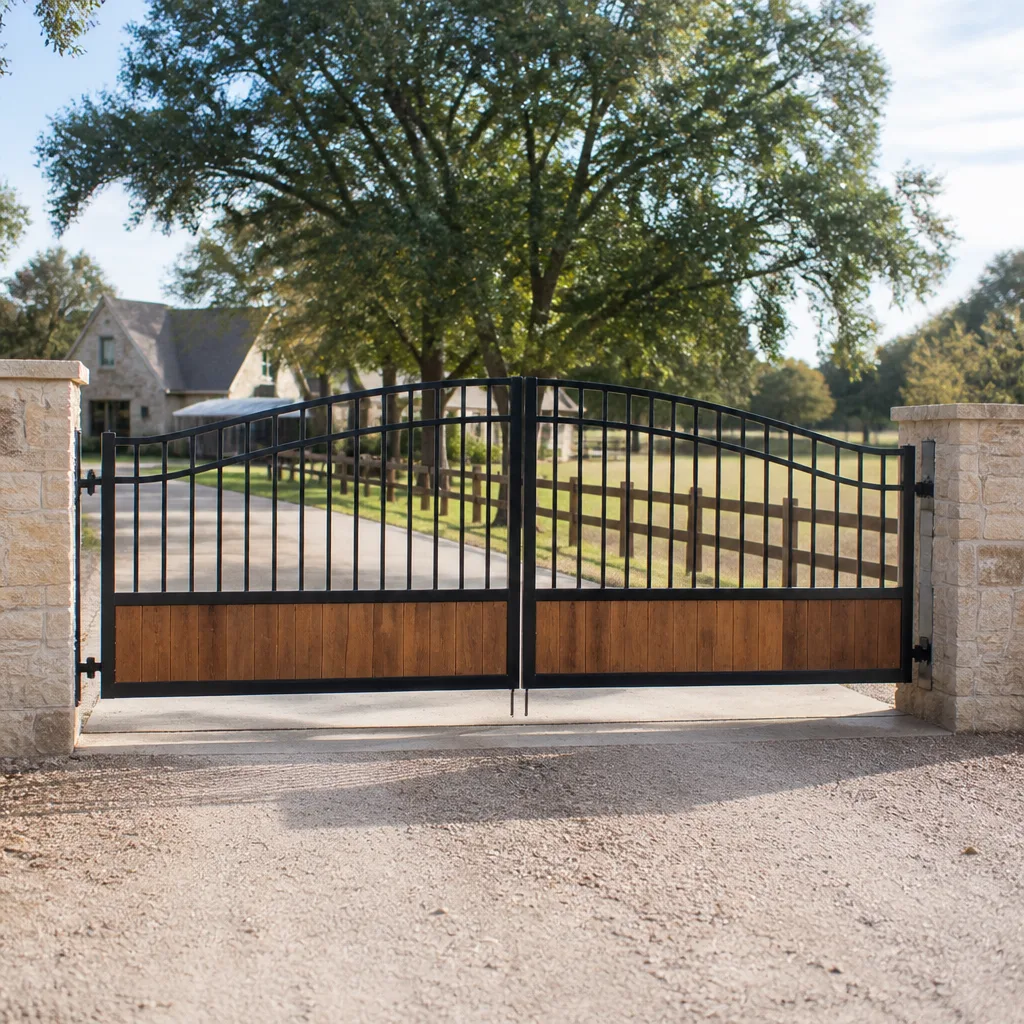 Farm & ranch
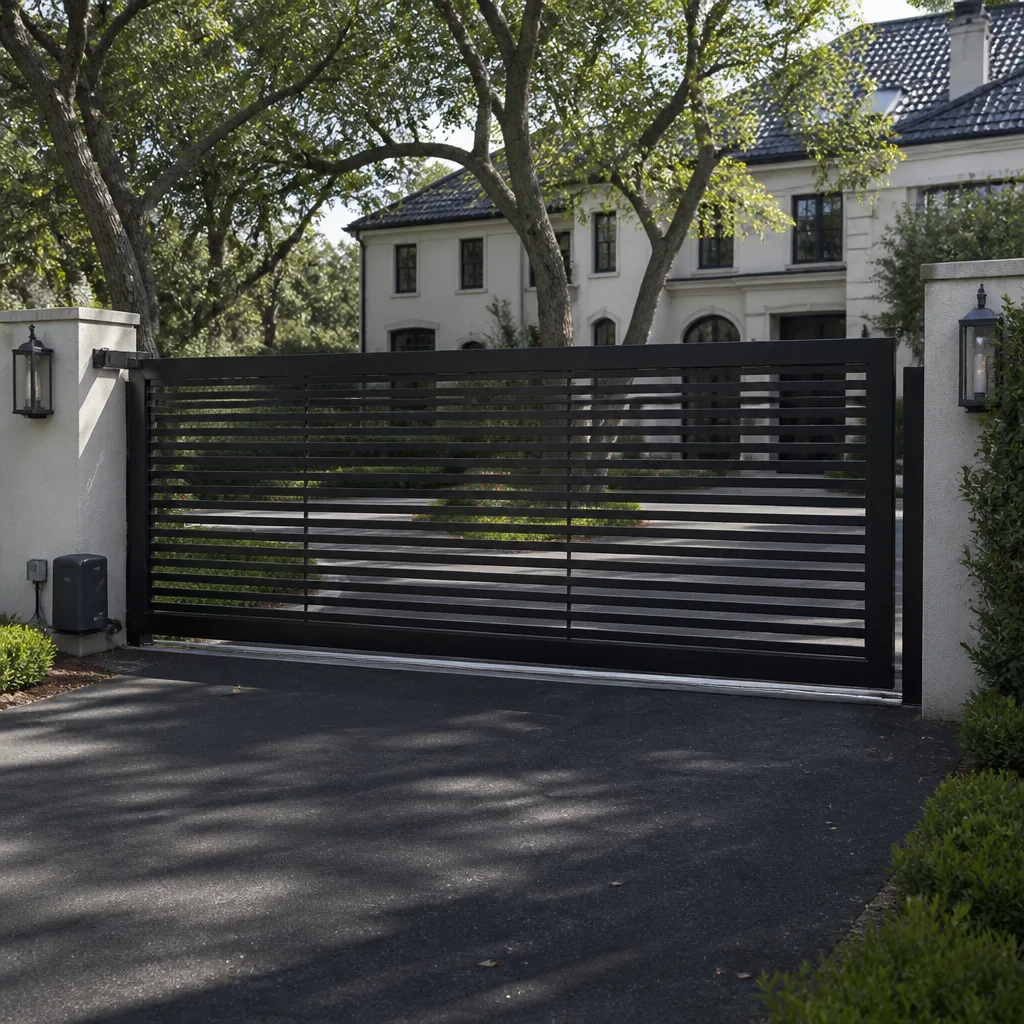 Sliding driveway gates
 LiftMaster operators
Free on-site gate assessment - hinges, posts, and your LiftMaster or Nice gate operator checked before anything is quoted
The assessment is free and the quote is the invoice.
Get your free estimateHow Long Does Gate Parts & Welding Take? Timelines and What to Expect
Here’s something you won’t hear from most gate companies: a weld repair that takes 20 minutes is often a weld repair that fails. A hinge welded in a rush and primed while still hot will look fine for one season, then the paint lifts off in a sheet and rust starts working at the joint from the inside. A skilled welder who takes three hours instead of one isn’t being slow. They’re letting the metal cool and letting the primer cure so the repair lasts another twenty years. In a windy, dusty place like Whitney, that sequence matters even more. This guide walks through what actually drives the clock on gate parts and welding work, so you can plan around it instead of being surprised by it.
Quick Answer
Most gate welding repairs take between one hour and a full day, depending on the type of damage and whether parts need to be custom-fabricated. Hinge weld repairs typically run 1 to 2 hours with proper cool-down, frame crack repairs run about half a day, and full post and frame replacement takes a full day minimum. Custom parts fabrication in a rural area like Whitney can add several days to the timeline.
Styles & brands we work with
- Wrought iron
- Wood & steel frame
- Farm & ranch
- Sliding driveway gates
- LiftMaster operators
Table of Contents
- Time Ranges by Repair Type
- The Cool-Down and Cure Sequence
- Fabrication versus Off-the-Shelf Parts
- What Extends a Job Unexpectedly
- Planning Around a Gate That’s Out of Service
- Whitney Conditions That Affect Timelines
- Why Most Jobs Finish in a Single Visit
- Common Mistakes to Avoid
Time Ranges by Repair Type
The single biggest factor in how long a gate welding job takes is the type of repair. A loose hinge is a different job than a cracked frame, and a cracked frame is a different job than a rusted-out post that has to come out of the ground. Here’s what we typically see on residential driveway gates in Whitney and the surrounding areas.
- Hinge weld repair: 1 to 2 hours with proper cool-down. The welding itself is fast. The wait between passes, and the primer cure afterward, is what takes the time. Rushing this is how a hinge fails again in six months.
- Latch and striker repair: 45 minutes to 1.5 hours. Usually a lighter weld with less heat, so cool-down is shorter.
- Frame crack repair: Half a day, depending on crack length and access. A short crack on a flat section goes quickly. A long crack running along a curved rail near a column takes longer to prep, weld, and finish.
- Full post and frame replacement: A full day minimum. This involves cutting out the old post, setting a new one, welding the frame back in line, and rehanging the gate leaves. If the concrete footing is bad, add another half day.
- Roller and track repair: 1 to 2 hours. Often less welding and more mechanical adjustment.
Those ranges assume the gate is accessible, the damage is visible when the job starts, and parts are on hand. Two of those three assumptions frequently break. When they do, the clock moves, and that’s where the rest of this guide comes in. If your gate needs structural work, gate repair in Whitney is where the scope gets narrowed down to a real number.
The Cool-Down and Cure Sequence
This is the part of gate welding nobody talks about, and it’s the part that separates a repair that lasts from a repair that looks good for a season. Welding introduces heat. Lots of it. A steel gate frame can reach well over 1,000 degrees at the weld bead, and that heat travels. If you paint or prime over a weld while the metal is still warm, three things go wrong.
- The primer doesn’t bond properly. Paint needs a stable, room-temperature surface. On hot metal it flashes off too fast and lays down a thin, weak film.
- Moisture gets trapped. As the metal cools under the paint, condensation can form in the film. That trapped moisture becomes a rust pocket right where you least want one, at the weld.
- The weld itself can crack. Fast cooling on a thick section creates stress. Paint hides it until the crack propagates.
A proper sequence looks like this. Weld. Let the bead cool naturally, never with water or air. Grind the weld smooth. Let the ground area reach ambient temperature. Apply primer. Let the primer cure per the product’s directions, which in Whitney’s heat is usually faster than the can says but never instant. Then topcoat. That whole sequence is why a “20-minute weld job” is really a two-hour job. The welding is the fast part. The metallurgy is the slow part.
Fabrication versus Off-the-Shelf Parts
Here’s a timeline factor most homeowners never hear about until it bites them: whether the part you need is sitting on a shelf somewhere or has to be made. On a gate, some components are standard and some aren’t. Hinges, rollers, latches, and many bracket styles are common enough that a well-stocked shop carries them. A custom ornamental picket, a decorative scroll, or a frame section on an older gate is often a fabrication job, and fabrication takes days, not hours.
This is where location matters. Whitney is a rural community, and the nearest specialty metal supplier or fabrication shop may be a long drive away. If a part has to be ordered, the shipping adds days. If it has to be fabricated, you’re waiting for a shop slot and then for the piece to be cut, fit, welded, and finished. A company that stocks common components and has fabrication capability in-house can cut that wait dramatically. A company that has to order everything for every job can’t.
Before any structural gate work, ask one question: “Is the part you need in stock, or does it have to be fabricated or ordered?” The answer tells you whether you’re looking at a same-week repair or a two-week project. That’s the difference between planning and frustration. When the work moves to new hardware or a new gate entirely, gate installation in Whitney is the place to start the conversation.
What Extends a Job Unexpectedly
Every experienced gate welder has a story about the job that looked simple until the grinder hit the metal. Two things reliably extend a welding timeline, and both are invisible until work begins.
Hidden corrosion. Rust starts inside a hollow steel section, not on the surface. The outside can look solid while the wall thickness is down to a fraction of what it should be. Once you grind into it, the metal crumbles and the repair scope changes. What was a hinge weld becomes a frame section replacement. What was a frame section becomes a post. This is common on gates that have been in service for decades, and in Whitney’s dusty, windy climate, grit gets into joints and holds moisture against the steel.
Non-standard original dimensions. Older gates were often built to fit, not to a standard size. A replacement hinge may not match the original bolt pattern. A frame section may need to be custom-bent to match a curve. When that happens, the part has to be fabricated, and you’re back to the fabrication timeline.
A good gate company flags this possibility before work starts, so you’re not surprised by a change order halfway through. It’s one reason we quote a range, not a single number, on structural work where the extent of corrosion can’t be known until the grinder runs. The final price is still settled before any work begins. It’s just settled with eyes open.
Planning Around a Gate That’s Out of Service
Structural gate work means the gate is out of service for the duration. On a driveway gate, that’s a real inconvenience, especially if the gate is your primary security barrier or if you have pets or grandchildren who rely on it staying shut. A little planning before the work starts makes the downtime much easier to live with.
- Ask how long the gate will be out of service, and get a range, not a guess. A hinge repair might be a half-day. A post replacement is a full day plus cure time before the gate is operational again.
- Ask whether the gate can be propped open or closed during the work. Sometimes the gate can stay closed and secure while the repair happens on a hinge or latch. Sometimes the leaf has to come off.
- Ask about parts availability up front. If a part has to be fabricated or ordered, you need to know before the gate comes off its hinges.
- Plan around the weather. Welding in high wind is a bad idea, and paint won’t cure properly in blowing dust. In Whitney, morning appointments usually avoid the worst of the afternoon wind.
- Ask what the plan is if hidden corrosion turns up. A company that has a plan for that conversation is a company that has done this before.
One more practical question: ask whether the technician can leave the gate secure at the end of the first day if the job runs long. Nobody wants to leave a driveway open overnight. A schedule that accounts for that is a schedule built by someone who has done the work, not just quoted it.
Whitney Conditions That Affect Timelines
Gate welding in Whitney isn’t the same as gate welding in a coastal city or a mountain town. The local conditions change both how fast the work goes and how long it lasts.
- Heat and wind. Whitney summers push metal temperatures higher and dry paint faster. That can shorten cure times, but it also means the cool-down window is longer because the ambient temperature stays high into the evening. Welders who know the area schedule accordingly.
- Dust and grit. Whitney sits in a windy corridor. Grit works into hinges, tracks, and joints. That’s a common cause of the hidden corrosion described earlier, and it’s a reason routine hinge and roller inspection matters here more than in sheltered neighborhoods.
- Rural distance. Whitney is a rural community, and the nearest specialty supplier or fabrication shop can be a significant drive. Parts availability is a real variable here, not a footnote. A company that knows the local supply chain saves days.
- Aging gates. Many Whitney properties have gates that have been in service for decades. On those gates, the visible problem is often the tip of a larger corrosion story. Plan for a longer visit on older gates, and expect the technician to explain what they find.
These conditions are why a gate repair company that works in Whitney regularly has an advantage over one driving in from elsewhere. The local knowledge shows up in the timeline, and in the repair that lasts. For motor and automation work alongside structural repair, see gate motor & opener in Whitney.
Why Most Jobs Finish in a Single Visit
The shortest welding timeline is the one that doesn’t require a second appointment. A second appointment means a second mobilization, a second setup, and often a multi-day gap where the gate is partially repaired. Two things keep a job to one visit: parts on hand and a technician who can do the whole repair, structural and mechanical.
On the automation side, that means carrying the right control boards, limit switches, and safety components for the major brands. We’re trained on nine of them, including Viking, Ghost Controls, and DoorKing, so whatever is on your driveway, the correct fix doesn’t wait on an order. On the structural side, it means fabrication capability in-house and common hinge, roller, and latch stock ready to go.
When those two things line up, a hinge weld, a frame crack, and a motor adjustment can all happen in one visit. That’s the standard we work to, and it’s why we say most jobs finish in a single visit with the price settled before a bolt is turned. The Ironworks Gate Co. Whitney home page lays out the full scope if you want to see how the pieces fit together.
Common Mistakes to Avoid
- Letting a weld get painted before it cools. This is the single most common reason a gate repair fails within a year. The paint looks fine on day one and bubbles from underneath by the next season. A welder who insists on the cool-down and cure sequence is doing you a favor, not wasting your time.
- Choosing the lowest bid without asking about parts. A bid that assumes every part is on the shelf can balloon when the part has to be fabricated. In a rural market like Whitney, ask about parts availability before you compare prices.
- Skipping the inspection on an older gate. On a gate that’s been up for decades, a single visible crack often sits next to hidden corrosion. A quick inspection before quoting saves everyone a surprise.
- Scheduling welding in high wind or blowing dust. Wind can blow shielding gas away from the weld, and dust ruins a fresh primer coat. A company that watches the forecast is a company that’s been burned by it before.
- Assuming the motor is the problem when it’s the gate frame. A sagging frame strains the motor. Replacing the motor without fixing the frame is like replacing a tire on a bent axle. Address the structure first, then the automation.
- Not asking how the gate will be secured during the work. A gate left open overnight is a security gap, whether it’s a gate for pets, a gate for grandchildren, or a gate for both. Ask the question before the gate comes off its hinges.
- Taking a verbal promise instead of a written guarantee. A handshake is a good start; a written guarantee is what you rely on if something needs a second look. The 90-Day Done Right Promise is in writing on every job, no paperwork, no arguing.
See the difference
 Before
 After
 Before
 After
 Before
 After
When to Call a Professional
Some gate issues are judgment calls. Others are not. Call a professional if a hinge is cracked or a frame has a visible crack that flexes when the gate opens; if the gate sags, drags on the ground, or won’t latch cleanly; if you see rust bubbling through the paint on a load-bearing section; if the post is leaning or the concrete footing is cracked; or if the gate has stopped opening partway and the cause isn’t obvious. High-tension springs, gate frames under load, and any welding near a gas line or electrical conduit are not jobs for a homeowner with a rented welder. The forces involved are real and the margin for error is small. Ironworks Gate Co. Whitney offers free estimates in Whitney, and a live person answers every call, day or night. Call (855) 928-1304.
Frequently Asked Questions
Most gate welding repairs take between one hour and a full day, depending on the type. A hinge weld repair runs 1 to 2 hours including proper cool-down, a frame crack repair runs about half a day, and a full post and frame replacement takes a full day minimum. Custom parts fabrication can add several days. Call (855) 928-1304 for an exact quote on your gate, with estimates free.
The welding is fast; the cool-down and cure sequence is what takes the time. A weld has to cool naturally, be ground smooth, reach ambient temperature, then be primed and allowed to cure before topcoat. Rushing that sequence is why paint fails at the weld within a season. The extra time is the repair lasting, not the technician being slow.
In Whitney, a custom-fabricated gate part can add several days to a week or more, depending on the nearest fabrication shop’s schedule. The wait isn’t the welding; it’s the fabrication queue and the drive to a specialty supplier. A company that stocks common components and has fabrication capability in-house cuts that wait significantly. Call (855) 928-1304 to find out whether your part is in stock or has to be made.
Two things: hidden corrosion and non-standard original dimensions. Rust starts inside hollow steel and can leave the outside looking solid while the wall thickness is gone. Once the grinder hits it, the scope changes and the job gets longer. Older gates built to fit rather than to a standard size may need custom fabrication when a replacement part won’t match the original. Both are reasons a reputable company quotes a range on structural work.
Usually yes. We’re trained on nine leading automation brands including Viking, Ghost Controls, and DoorKing, so the correct fix for the motor doesn’t wait on an order. A structural repair and an automation service can happen on the same visit, with the price settled beforehand. Call (855) 928-1304 for a free estimate.
Yes. The price is quoted and agreed before any work begins, and the 90-Day Done Right Promise backs every completed job in writing: if it isn’t right, we come back and make it right, no paperwork, no arguing. For an exact quote on your Whitney gate, call (855) 928-1304. Estimates are free.
The Bottom Line
Gate welding timelines are driven by metallurgy, parts availability, and what’s hiding under the paint, not by how fast a welder can run a bead. Hinge repairs run 1 to 2 hours, frame cracks about half a day, and full post and frame replacement a full day or more. Custom fabrication in a rural area like Whitney can add days, and hidden corrosion can change the scope once the grinder starts. The jobs that finish in one visit are the ones with parts on hand and a technician who can do the whole repair. A fair quote settles the price before any work begins, and a written guarantee settles what happens if anything needs a second look.
If your gate needs structural or welding work, the next step is a straight answer about your specific gate. Ironworks Gate Co. Whitney serves Whitney and the surrounding communities with a live person answering every call, day or night. Call (855) 928-1304 for a free estimate and a clear timeline before you commit to anything.
Written by the team at Ironworks Gate Co. Whitney.