
Last updated November 17, 2026
 Wrought iron
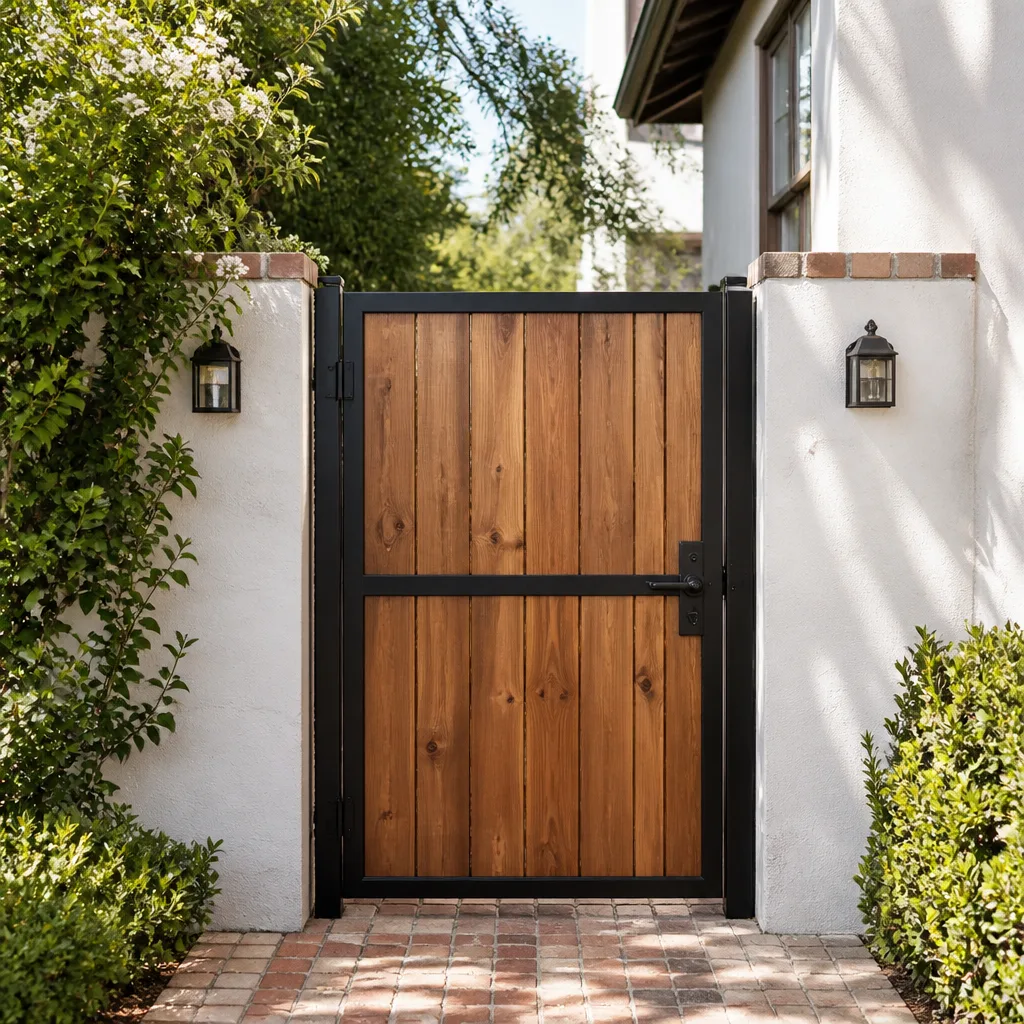 Wood & steel frame
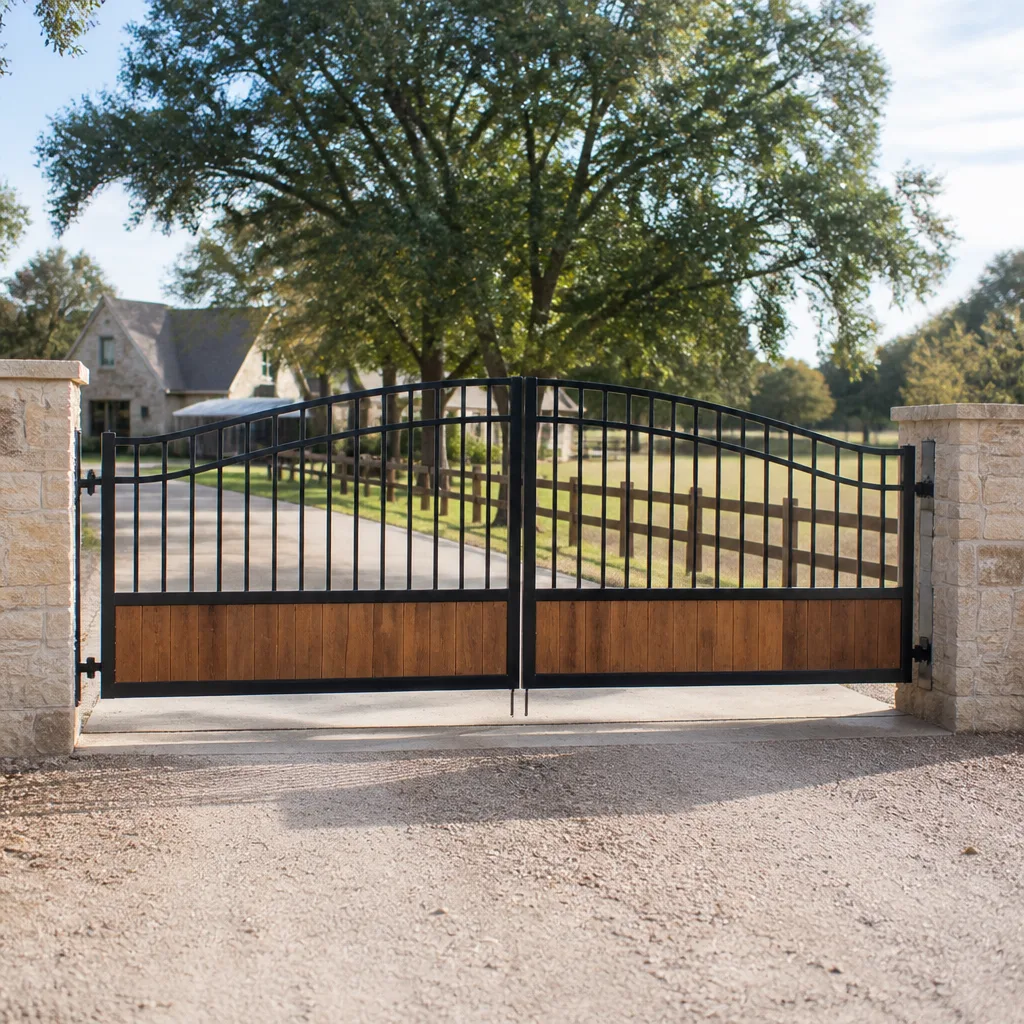 Farm & ranch
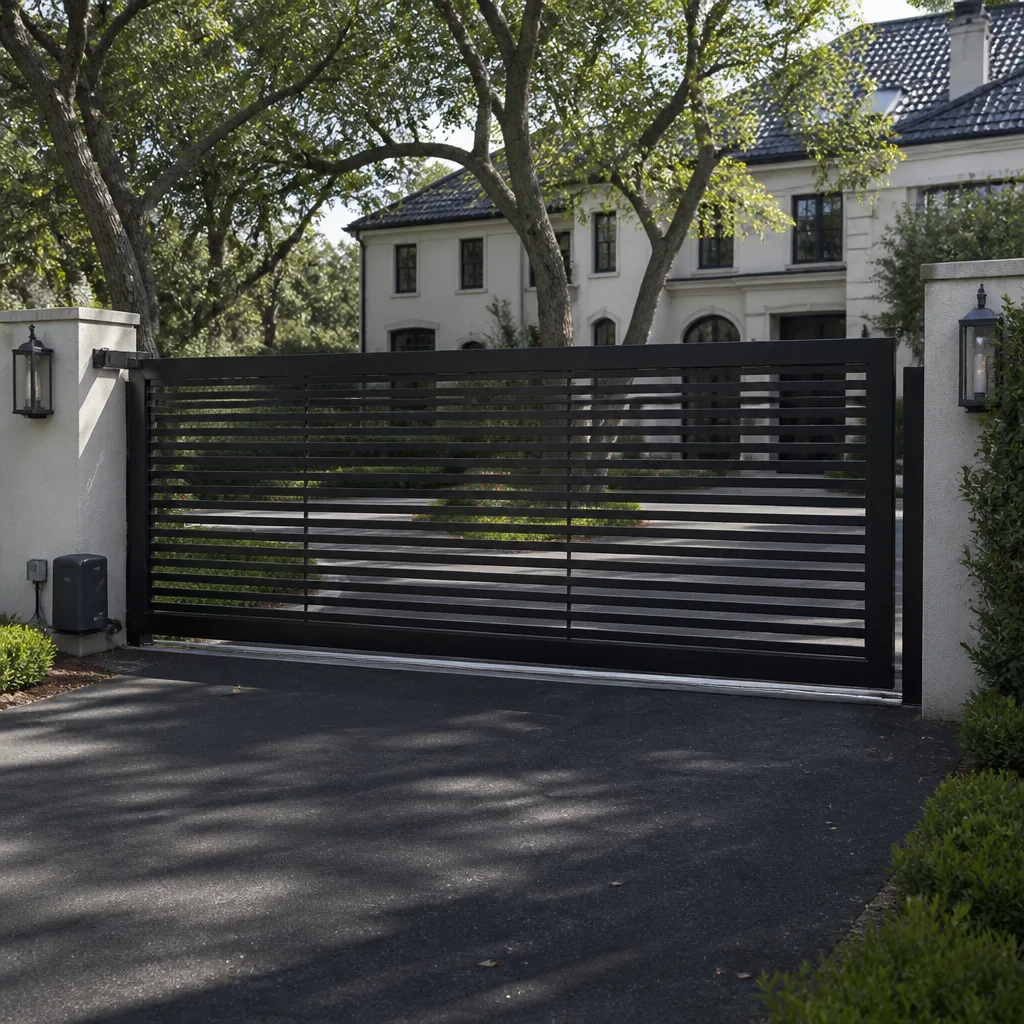 Sliding driveway gates
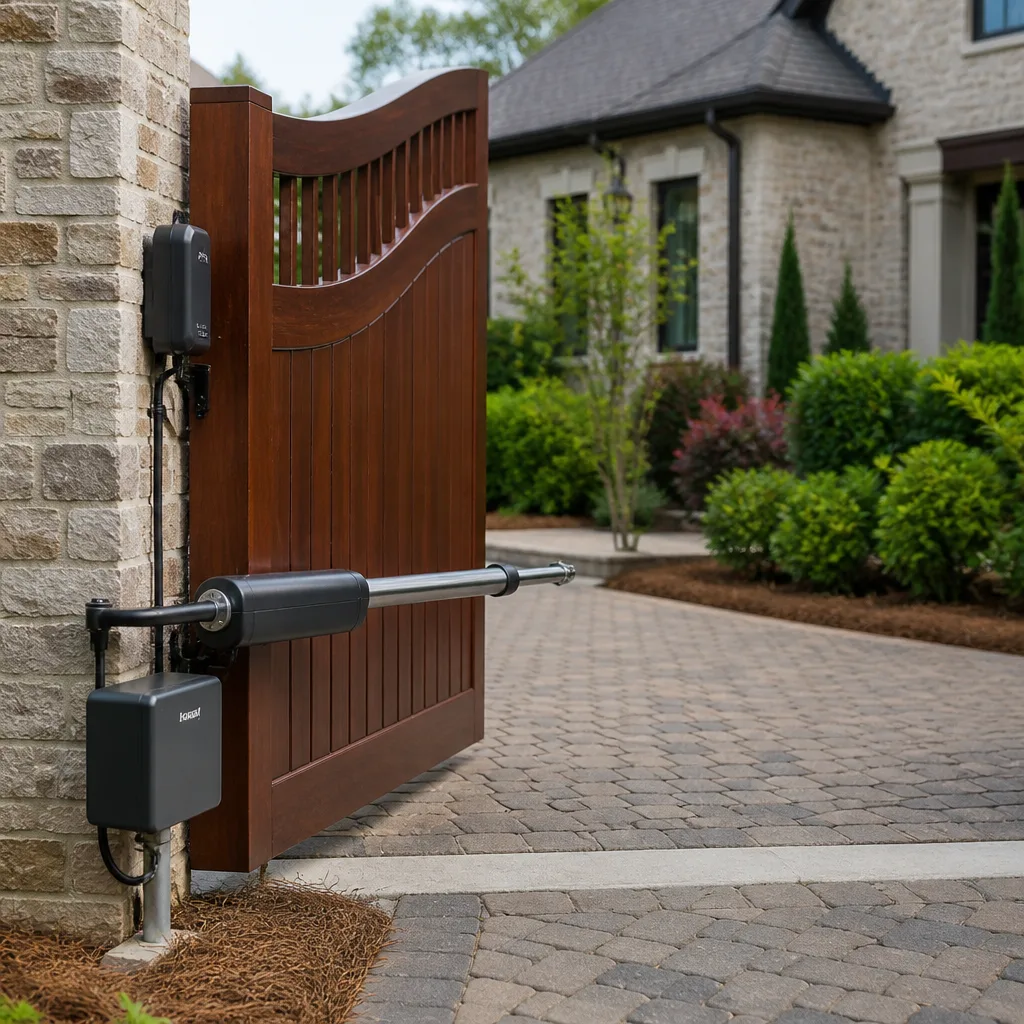 LiftMaster operators
Free on-site gate assessment - hinges, posts, and your LiftMaster or Nice gate operator checked before anything is quoted
The assessment is free and the quote is the invoice.
Get your free estimateGate Repair Maintenance Checklist for Whitney Homeowners
Most homeowners oil their gate hinges and call it done. In Whitney’s dust and UV exposure, that oil becomes an abrasive paste within weeks, and you’ve just accelerated the wear you were trying to prevent. Fine desert grit sticks to wet lubricant, holds there, and grinds metal against metal every time the gate swings. The checklist most people download was written for a damp coastal climate where rust is the enemy. Here, dust and sun do the damage first, and the standard advice works against you. This guide lays out a maintenance schedule built for Whitney’s conditions: what to check monthly, quarterly, and yearly, where automated gates fail in desert heat, and the clear line between what you can handle yourself and what needs a technician’s calibration.
Quick Answer
A useful gate maintenance checklist for Whitney divides tasks by frequency: monthly cleaning of tracks and hinges (dry, not oiled), quarterly inspection of welds, posts, and safety sensors, and an annual professional service covering motor calibration, battery backup, and control board ventilation. In Whitney’s high-desert climate, dry graphite or silicone lubricant applied sparingly beats oil every time, because oil traps the dust that wears your gate down.
Styles & brands we work with
- Wrought iron
- Wood & steel frame
- Farm & ranch
- Sliding driveway gates
- LiftMaster operators
Table of Contents
- Why Standard Lubrication Advice Fails in Whitney
- Monthly Checklist: Cleaning and Visual Inspection
- Quarterly Checklist: Structure, Welds, and Sensors
- Annual Checklist: The Professional Service
- Automated Gate Inspection Points for Desert Heat
- How to Self-Inspect Welds, Joints, and Post Bases
- What You Can Maintain vs. What Needs a Technician
- Common Mistakes to Avoid
Why Standard Lubrication Advice Fails in Whitney
The advice to oil gate hinges comes from a climate where the main threat is moisture. Coastal air rusts steel; oil keeps water off the metal. Whitney is the opposite problem. Humidity here runs low, rust is a slow concern, and airborne dust is constant. When you oil a hinge, the oil film catches that dust. Within a few weeks the film turns into a gritty paste that sits inside the pivot and wears the pin and bushing on every cycle. You meant to protect the hinge. You built a grinding compound inside it.
Ultraviolet light does its own work. Gate hardware left in full Nevada sun takes UV exposure year-round, and rubber seals, plastic sensor housings, and wiring insulation all degrade faster than they would in a milder climate. A safety sensor lens that has clouded or cracked in the sun can stop reading the beam reliably, and the gate reacts as if something is in the way.
What works instead:
- Dry graphite or silicone spray on hinges and pivot points, applied lightly and wiped down. Neither holds dust the way oil does.
- Dry brushing of tracks, rollers, and hinges before any lubricant goes on, so you’re not sealing grit in place.
- Less frequent application. A sparing coat every few months beats a wet coat every month. If you can see fresh lubricant sitting on the surface, you used too much.
In our experience across Whitney neighborhoods, gates that get oiled monthly by a well-meaning homeowner wear faster at the hinges than gates that get a dry brush and a light graphite coat twice a year. The schedule matters less than the product.
Monthly Checklist: Cleaning and Visual Inspection
Monthly work is about removing what the desert deposits and catching small problems before they grow. Set aside fifteen minutes. No tools beyond a stiff brush and a rag.
- Brush the tracks and roller path. Sweep out dust and grit with a dry brush. On a sliding gate, run the brush along the entire travel path. On a swing gate, clear the hinge area and the ground beneath the leaf.
- Wipe the hinges and pivots dry. Remove any grit that has collected. If the hinge feels dry to the touch afterward, a light pass of graphite or silicone spray is enough.
- Look at the safety sensors. Wipe both lenses clean. Dust film on a sensor lens is one of the most common reasons a gate stops closing in Whitney.
- Listen to the gate run. Open and close it once and pay attention to the sound. A new squeak, a scrape, or a change in the rhythm is an early warning worth noting.
- Check the gate’s travel. Does it open fully and close fully without hesitation? A gate that stops short or reverses is telling you something.
- Look at the ground under the gate. Fresh metal shavings or a groove worn into the driveway means the gate is dragging or the roller is worn.
If you have an automated gate, watch the operator during this run-through too. Unusual noises from the motor housing or a slower open than usual are worth writing down. When a Whitney resident calls us about a gate that “just started acting up,” the monthly sound check is usually where the story begins. If you notice a real change and want it looked at, our Gate Repair in Whitney team handles the diagnosis. A free second opinion on any written estimate is available if you’ve already been quoted elsewhere.
Quarterly Checklist: Structure, Welds, and Sensors
Quarterly work goes deeper on structure and electronics. This is a good Saturday morning job, and it’s where you’ll catch the problems that lead to gate failure rather than an inconvenient squeak.
- Inspect the welds at every frame joint. Look for hairline cracks in the weld bead or rust bleeding from a weld line. A crack in the paint along a weld is the first sign.
- Check the post bases. Look at where the posts meet concrete. Cracks in the concrete around the post, a gap opening up, or a post that rocks slightly when pushed are all signs the base needs attention.
- Test the safety sensors. With the gate in motion, pass an object through the sensor beam. The gate should reverse or stop. Do this on both sensors, not just one.
- Check the battery backup. If your operator has battery backup, run a test per the manufacturer’s instructions. Desert heat shortens battery life, and a backup that fails silently is no backup at all.
- Inspect the control board area. Look at the operator housing for dust buildup inside. Control boards that run hot in summer plus a layer of dust are at risk. Check that vents aren’t blocked.
- Test the manual release. Follow the operator manual to confirm the manual release works. It’s the one thing you need to work when the power is out.
One note on brands: if your gate runs a LiftMaster or Mighty Mule operator, the battery backup and sensor test procedures differ, and the manual is the authority. We’re trained and equipped on nine gate-automation brands, including those two, so if the manual is long gone we can walk you through it or send someone out. Many Whitney homeowners take advantage of the $89 seasonal tune-up for exactly this quarterly-plus work.
Annual Checklist: The Professional Service
An annual professional service catches what a homeowner checklist can’t: motor calibration, control board condition, and the structural issues that only show up under load testing. Here’s what a proper annual service covers.
- Motor and gearbox inspection. Checking for wear, listening for bearing noise, and confirming the operator runs smoothly through the full cycle.
- Limit switch calibration. Confirming the gate stops in the right positions and reverses correctly. This is the setting that keeps the gate from crushing something.
- Safety edge and sensor verification. Testing every safety device, not just the ones you can reach with a hand.
- Battery backup health check and replacement recommendation if the battery is near the end of its useful life.
- Control board ventilation check. Verifying the board isn’t cooking itself in the enclosure during a Whitney summer.
- Structural review of hinges, rollers, welds, and posts under load, and a look at whether anything needs welding.
The annual service is also when we look at the parts that are hard to source. DoorKing and LiftMaster components are common, and a good annual check catches a worn part before it fails and leaves you with a gate stuck open. Our Gate Motor & Opener in Whitney page covers the automation side in more depth. If your gate is due for this level of service, call (855) 928-1304 and we’ll schedule it. The price is settled up front, before any work starts.
Automated Gate Inspection Points for Desert Heat
An automated gate in Whitney faces conditions its manufacturer didn’t design its worst-case heat for. Summer highs in the valley routinely push past 110°F, and an operator sitting in direct sun inside a metal enclosure can run far hotter than the ambient air. That heat stresses four specific things, and these are the inspection points that matter most.
- Limit switches. These set where the gate stops. Heat and vibration can drift them out of adjustment, and a gate that over-travels or reverses on its own is often a limit switch issue.
- Safety sensors. UV degrades the plastic housings and clouds the lenses over time. A sensor that has baked in the sun for years can fail intermittently before it fails completely.
- Battery backup. Heat is the enemy of battery life. A battery that would last five years in a mild climate can fail sooner here. Test it quarterly and replace on schedule, not when it dies.
- Control board ventilation. Dust plus heat is a bad combination for electronics. Look for blocked vents and dust buildup inside the housing. An operator in an area that collects dust needs its vents checked.
If any of these checks turn up something you’re not sure about, don’t ignore it. A limit switch out of calibration or a failed safety sensor is a real hazard on an automated gate, and it’s not a job for a homeowner to adjust without the right procedure. Call (855) 928-1304 and we’ll diagnose it. Estimates are free, and most repair visits get the issue sorted the same day.
How to Self-Inspect Welds, Joints, and Post Bases
You don’t need special tools to find early structural problems. You need your eyes, a push test, and the patience to look closely. Here’s the sequence we use.
- Start at the weld beads. Run a finger along each weld at the frame joints. Feel for a lump or a line you didn’t expect. A hairline crack in a weld bead or the paint around it is worth noting.
- Look for rust bleeding. Rust streaks originating from a weld line or a joint are a sign moisture is getting into a microcrack. This is easy to spot against painted metal.
- Push-test the posts. With the gate closed, put your weight against each post and watch the concrete at the base. A post that rocks, even slightly, has a base problem.
- Check for cracks in the concrete. A crack radiating out from the post is a sign the base is moving or the concrete failed. This is common in Whitney where the ground dries and shifts through the seasons.
- Look for sag. Open the gate partway and see if the outer corner droops relative to the hinge. Sag means the hinges are worn or the frame has moved.
- Check the roller path. On a sliding gate, a worn or grooved track shows metal shavings or a groove worn into the surface.
None of these tests require disassembling anything. If you find a crack or a rocking post, don’t stress about it. Catching a hairline crack in a weld is exactly the point of a quarterly inspection, and it’s usually a straightforward fix for anyone with welding equipment. Structural issues on a gate are one area where a specialist’s eye makes the difference.
What You Can Maintain vs. What Needs a Technician
Drawing this line clearly is the whole point of a checklist. Do the homeowner jobs well and call a technician for the rest. Here’s the split.
You can handle these yourself:
- Dry-brushing tracks, hinges, rollers, and the gate path
- Wiping down sensor lenses
- Applying graphite or silicone lubricant lightly and wiping off the excess
- Running the monthly sound and travel check
- Visual inspection for cracks, rust, sag, and rocking posts
- Testing the manual release per the operator manual
These need a technician:
- Limit switch adjustment or recalibration, because a miscalibrated gate can reverse unexpectedly or fail to stop
- Safety sensor replacement or realignment, for the same reason
- Motor and gearbox service
- Control board diagnosis or replacement
- Structural welding on the gate frame, hinges, or posts
- Battery backup replacement on operators where the procedure isn’t straightforward
If you’re not sure where a job falls, that’s fine. Call (855) 928-1304 and we’ll tell you honestly whether it’s a do-it-yourself job or one for us. That’s the difference between a generalist and a gate specialist. Our technicians have up to 13 years of experience, and every completed job is covered by our 90-Day Done Right Promise: if it’s not right, we come back and make it right.
Common Mistakes to Avoid
- Over-oiling hinges in dusty conditions. The oil catches fine Whitney dust and turns into an abrasive paste, wearing hinges faster than running them dry or lightly lubricated with graphite.
- Ignoring sensor lenses until the gate stops closing. A dust film or a UV-cracked lens on a safety sensor is one of the most common reasons an automated gate stops in Whitney. Clean the lenses monthly and test them quarterly.
- Skipping the post-base check. A rocking post or a cracked base is easy to miss and gets worse over the seasons. A quarterly push-test catches it early.
- Assuming the battery backup will last. Heat shortens battery life, and an untested backup is no backup. Test it on schedule, replace on schedule.
- Adjusting limit switches without the right procedure. It’s tempting to loosen a screw when a gate stops short, but a mis-set limit switch makes the gate unreliable and can be a safety hazard. Call a technician for calibration.
- Using a generalist for welding or automation. A gate is a structural and electrical system at once. A handyman who’s comfortable with neither can make a problem worse. We’re trained on nine automation brands, including DoorKing and Elite, alongside LiftMaster and Mighty Mule.
- Waiting for a failure to schedule a service. An annual tune-up is cheaper than a repair, and it’s the time a technician catches a worn part before it strands you.
See the difference
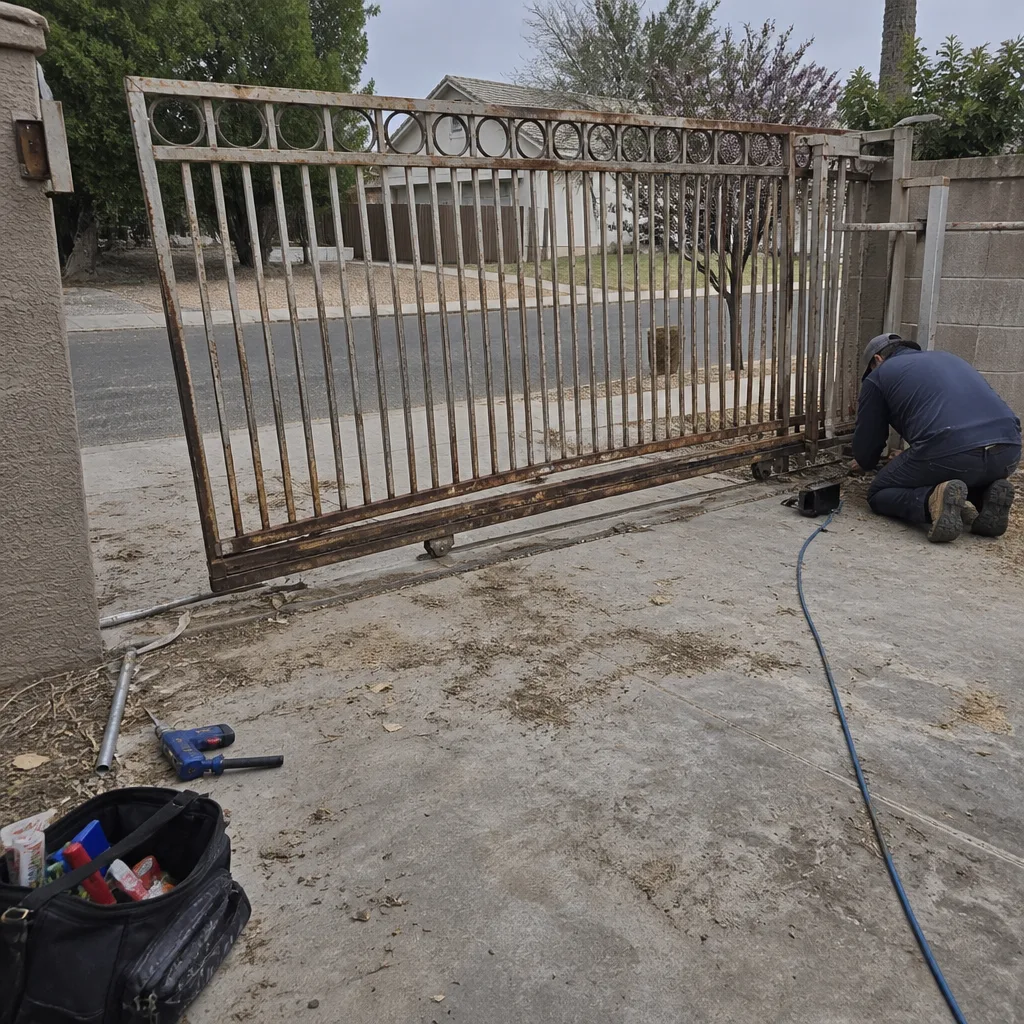 Before
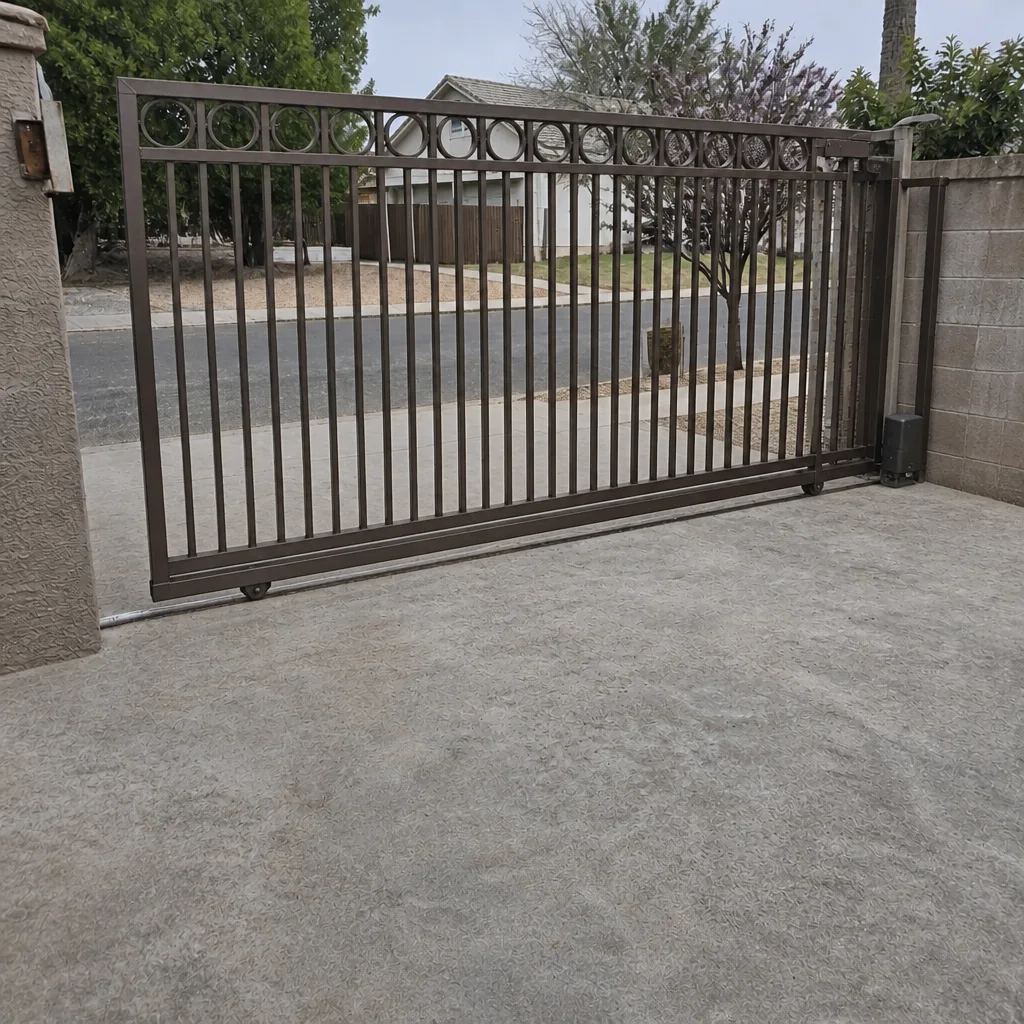 After
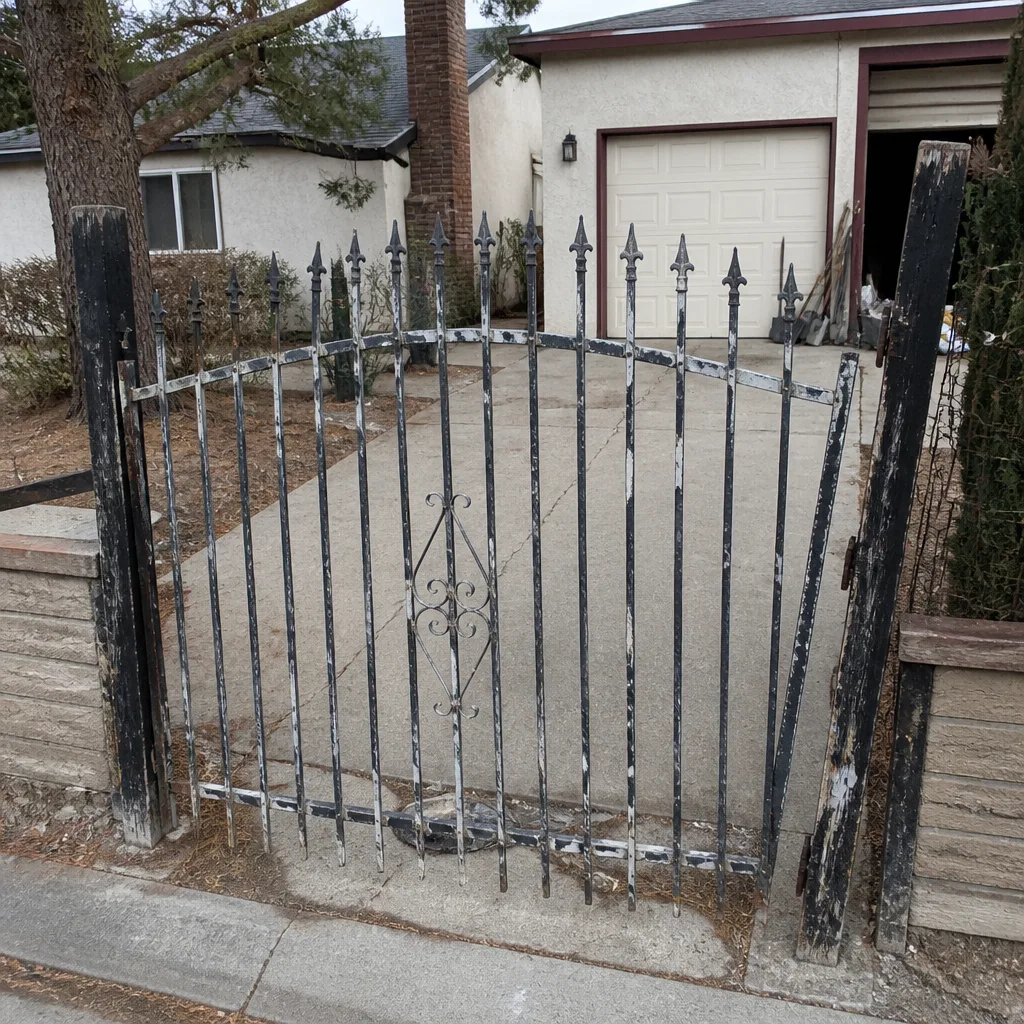 Before
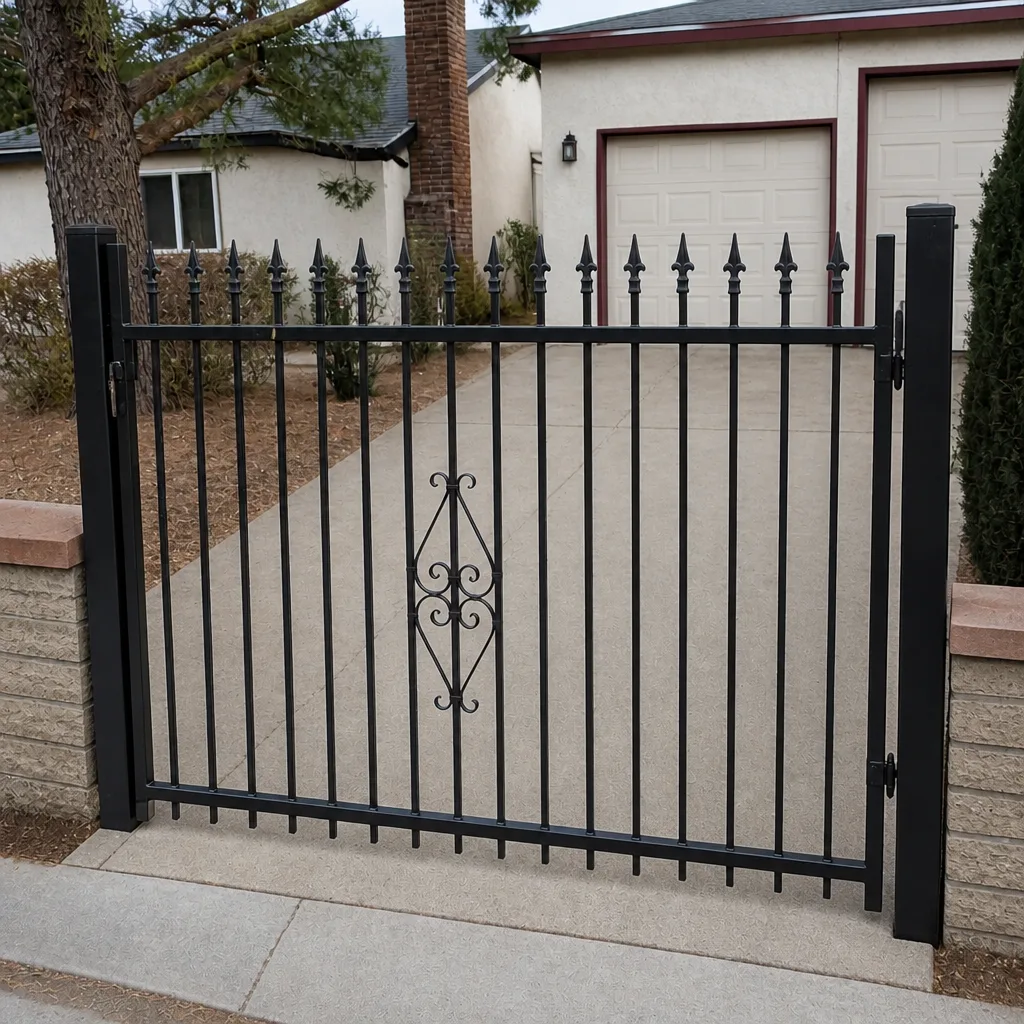 After
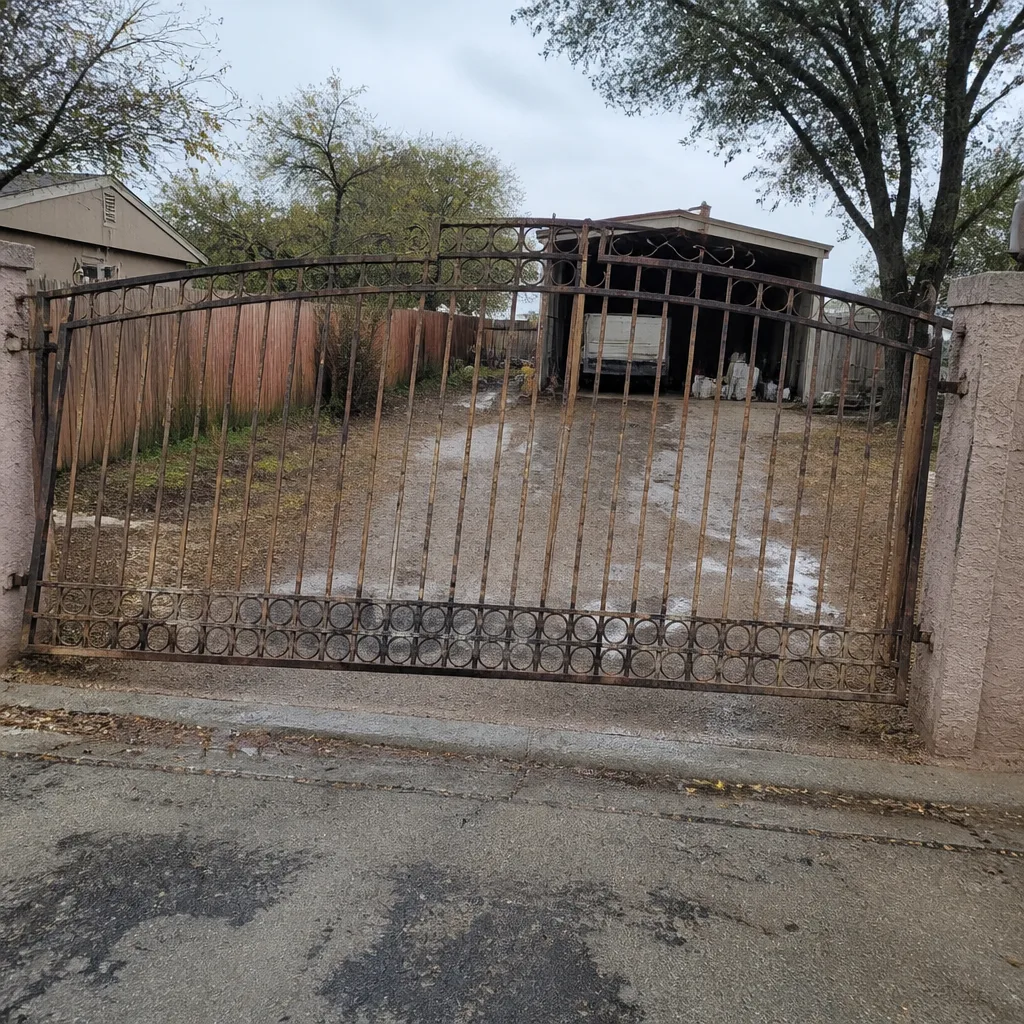 Before
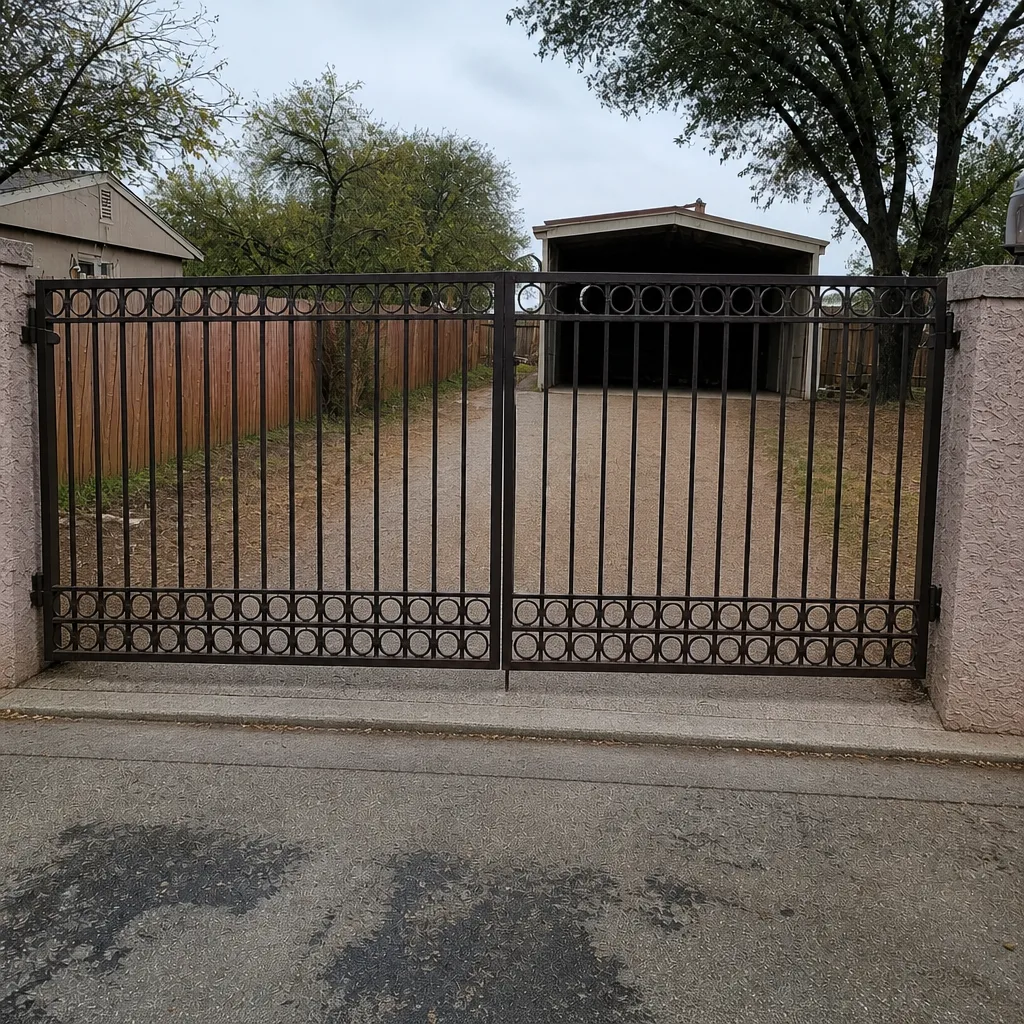 After
When to Call a Professional
Call a professional if you spot a rocking post, a crack in a weld, or a gate that has visibly sagged. Call if you notice a limit switch or sensor issue, because that’s a safety device and not a homeowner adjustment. Call if the operator makes a new noise, runs slower than it used to, or fails to open or close fully. Call if your battery backup fails its test. And call if your gate needs welding; a structural failure on an automated gate is not something to put off. Ironworks Gate Co. Whitney offers free estimates in Whitney. Call (855) 928-1304 for a same-day repair or to schedule an annual service. We answer the phone live, 24 hours a day, 7 days a week.
Frequently Asked Questions
Twice a year is usually enough in Whitney if you use the right product. Dry graphite or silicone spray applied sparingly, then wiped down, beats oil. Oil catches desert dust and turns into an abrasive paste. Dry brush the hinges and pivots first, then apply a light coat, and don’t overspray. If the gate is noisy in between, a quick wipe and light pass is fine.
The most common cause in Whitney is a safety sensor issue, usually a dirty lens or a UV-cracked housing that fails in heat. A limit switch that’s drifted out of calibration can also cause it. Clean the sensor lenses first and test the beam. If the gate still stops, call (855) 928-1304 for a diagnosis. Estimates are free.
We don’t recommend it. Limit switches set where the gate stops, and a miscalibrated switch can make the gate reverse unexpectedly or fail to stop at the right point. That’s a safety issue on a powered gate. Leave limit switch adjustment and recalibration to a trained technician.
Run a finger along each weld bead at the frame joints and feel for a lump or line. Look for rust bleeding from a weld line. A hairline crack in the paint around a weld is the first sign. If you find one, call (855) 928-1304. Catching a crack early is usually a straightforward fix, and it’s much cheaper than a structural repair later.
An annual service covers motor and gearbox inspection, limit switch calibration, safety sensor and safety edge testing, battery backup check, control board ventilation check, and a structural review of welds, hinges, and posts. The $89 seasonal tune-up covers the routine version of this. The price is settled up front, before any work starts.
Heat shortens battery life, and Whitney summers are hard on batteries. A backup that would last five years in a mild climate can fail sooner here. Test it quarterly and replace on the manufacturer’s schedule, not when it dies. If you’re not sure how to test it, we can walk you through it or send a technician.
The Bottom Line
A gate maintenance checklist works in Whitney only if it accounts for dust and UV, not just rust. That means dry brushing, sparing graphite or silicone instead of oil, monthly sensor checks, quarterly structural inspections, and an annual professional service. The single biggest mistake is over-lubricating, and the second is skipping the post-base and weld checks. Do the homeowner jobs well, call a technician for limit switches, sensors, and welding, and your gate will handle Whitney’s climate the way it should. When you need the professional side of the checklist, we’re here.
Ironworks Gate Co. Whitney specializes in driveway and estate gate services across the full scope: gate repair, gate installation, gate motors and openers, gate access control, and gate parts and welding. We’re trained on nine gate-automation brands and stand behind every job with our 90-Day Done Right Promise. For a free estimate, call (855) 928-1304. We answer live, 24 hours a day, 7 days a week. Standing offers include $50 off any repair over $250, a free second opinion on any written estimate, an $89 seasonal tune-up, and a 5% senior and veteran discount. Visit our Ironworks Gate Co. Whitney home to learn more.
Written by the team at Ironworks Gate Co. Whitney.