
Last updated November 17, 2026
 Wrought iron
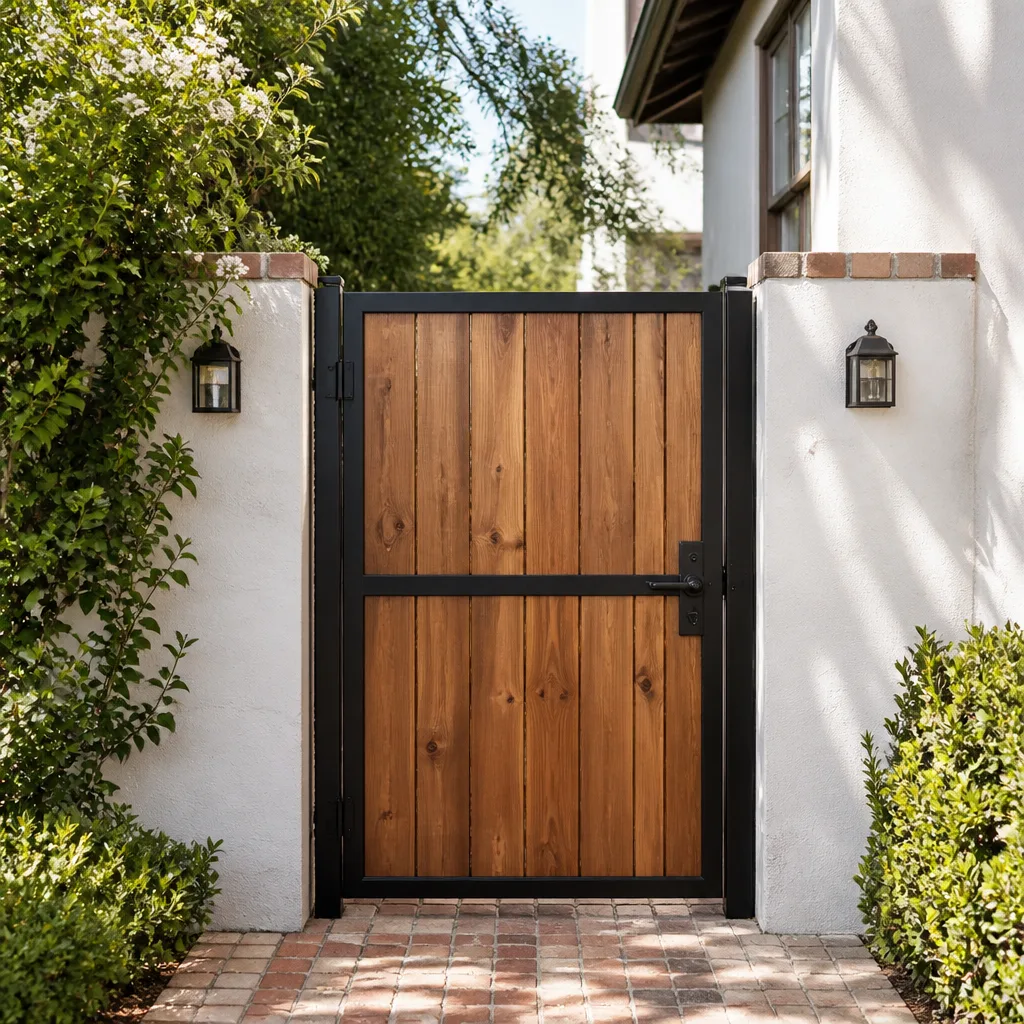 Wood & steel frame
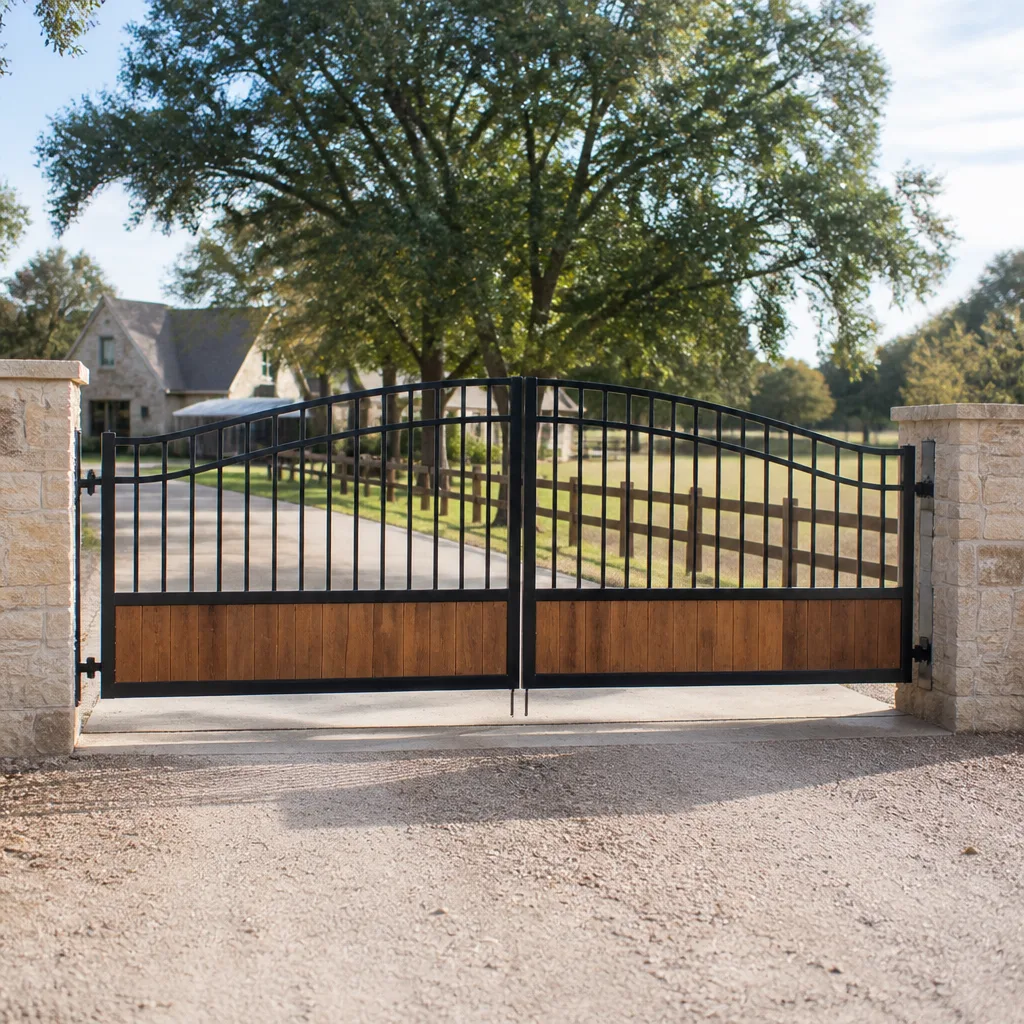 Farm & ranch
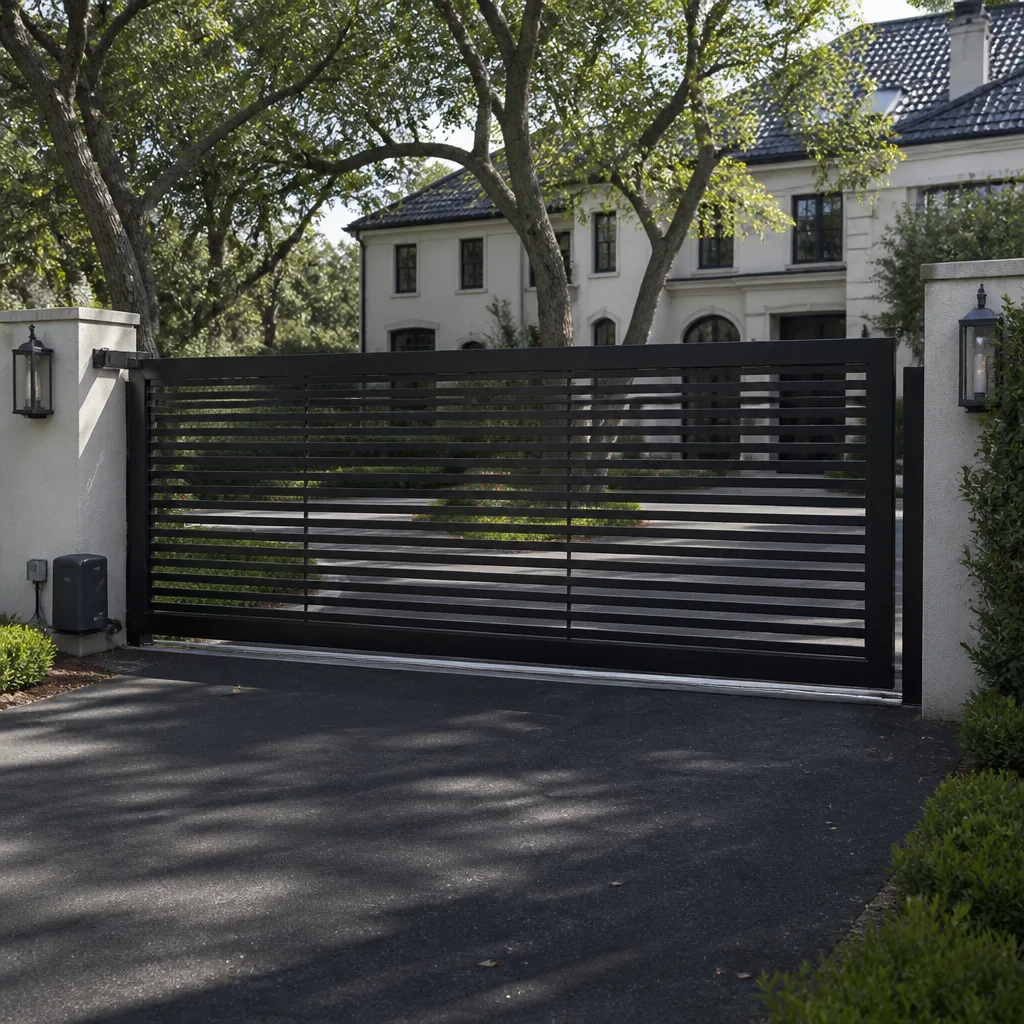 Sliding driveway gates
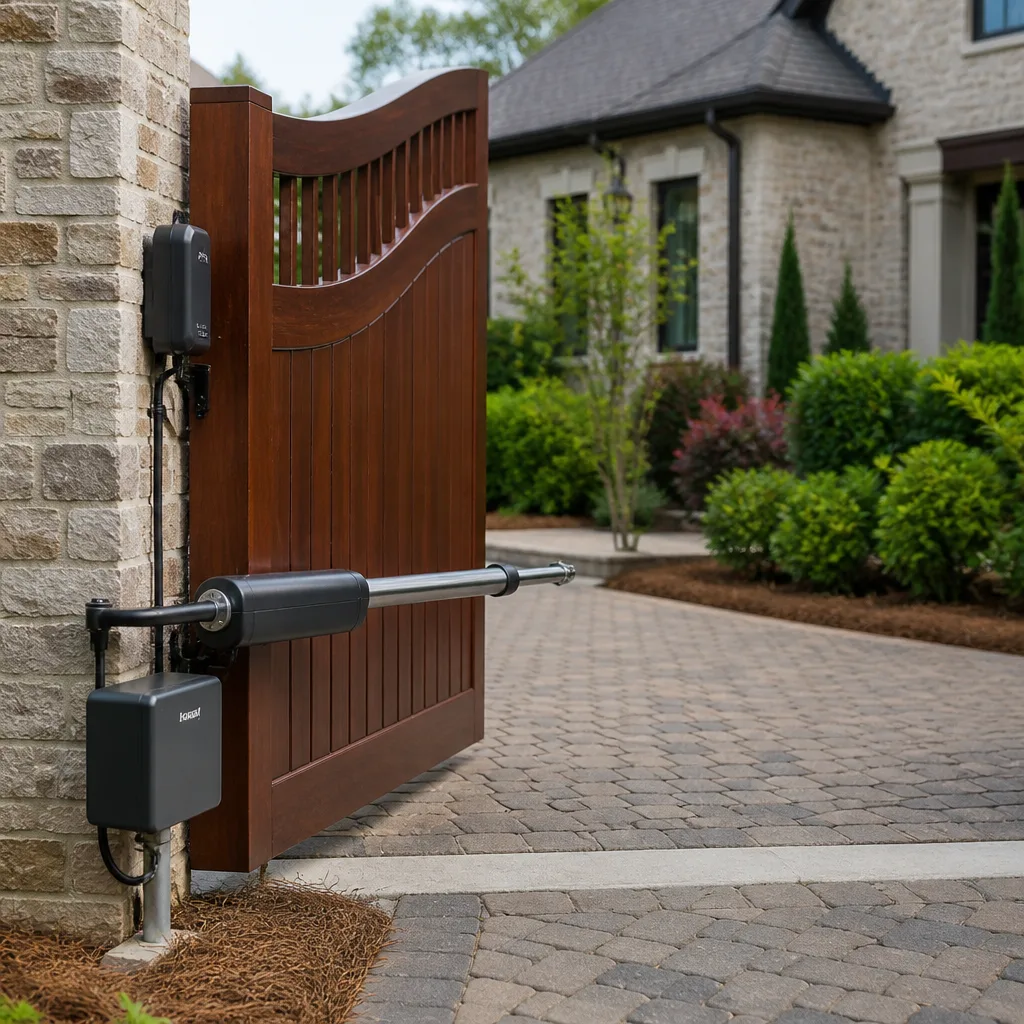 LiftMaster operators
Free on-site gate assessment - hinges, posts, and your LiftMaster or Nice gate operator checked before anything is quoted
The assessment is free and the quote is the invoice.
Get your free estimateGate Repair Permits, Codes & Inspections in NV: What You Need to Know
If your gate operator was installed or replaced without a permit in Clark County, your homeowner’s insurance may deny a claim if that gate injures someone – a fact almost no contractor will volunteer before they start the job. That is the uncomfortable reality behind thousands of automated driveway gates across Whitney and the rest of the Las Vegas Valley. Most were wired up and bolted down with no inspection, no permit record, and no paper trail tying the installation to UL 325 safety standards. In this guide we’ll walk through which gate repairs are exempt and which require a permit, what UL 325 actually demands, how to verify permit status on existing work before you buy or renovate, what an inspector looks for, and how HOA covenants and municipal code sort themselves out when they clash.
Quick Answer
In Nevada and Clark County, routine gate repairs – replacing a hinge, welding a brace, swapping a remote or keypad, adjusting a chain or track – generally do not require a building permit. But installing or replacing an automated gate operator, running a new electrical circuit to the gate, or building a new gate structure usually does require a Clark County building permit and an electrical inspection, and that automated operator must meet UL 325 safety standards.
Styles & brands we work with
- Wrought iron
- Wood & steel frame
- Farm & ranch
- Sliding driveway gates
- LiftMaster operators
Table of Contents
- Repair or Permit? The Line Nevada Draws
- UL 325 Safety Standards and How They Intersect With Inspection
- How to Verify Permit Status on Existing Gate Work in Whitney
- What an Inspector Actually Checks During a Gate Automation Inspection
- HOA Covenants vs. Municipal Code: Which One Governs?
- The Insurance and Liability Angle Nobody Explains
- Why Whitney’s Climate and Geography Make Gate Codes Matter More
Repair or Permit? The Line Nevada Draws
The threshold under Clark County building code comes down to whether the work changes the structure or the electrical system, or simply restores what is already there. Restoring is a repair. Changing is an alteration, and alteration is where permits begin.
Here is how we break it down in the field:
Repairs that generally do not require a permit
- Replacing hinges, rollers, or a gate latch on an existing manual or automated gate
- Welding a cracked frame or re-hanging a sagging gate leaf
- Replacing a remote control, keypad, or receiver on an existing operator
- Adjusting a limit switch, track, or chain on an existing operator
- Swapping a gate motor on a like-for-like replacement in the same housing and same circuit, when the existing install was already permitted (verify this first)
Work that typically triggers a Clark County building permit
- Installing any new automated gate operator where none existed
- Replacing an operator with a different model when the mounting, wiring, or safety devices change
- Running a new electrical circuit to the gate location, or converting from solar to hardwired
- Constructing a new gate structure, gate posts, or pillars
- Adding safety loops, photo eyes, or reversing edges that were never present
- Any modification to the electrical panel or a new disconnect at the gate
The line isn’t always obvious from the driveway. We’ve walked up to gates in Whitney where the previous installation had a DoorKing operator hardwired into a circuit that was never inspected, and the homeowner had no idea. If you’re unsure which side of the line your project sits on, that’s the point where a proper assessment pays for itself. Our Gate Repair in Whitney service starts with exactly that kind of assessment, and we will tell you plainly whether your job needs a permit before we touch a bolt.
One threshold worth naming: as a rule of thumb in Clark County, if the work involves the electrical system or the mounting of an automated operator, plan on a permit. If it involves fixing what’s already been permitted and wired, plan on a repair.
UL 325 Safety Standards and How They Intersect With Inspection
UL 325 is the safety standard that governs automated gate operators – it’s the same standard that covers garage door operators and it’s what the inspector is measuring against, even if they don’t say the words out loud.
In plain terms, UL 325 requires that an automated gate have at least one of the following protection features in place so that a person or vehicle is not crushed, pinned, or caught as the gate closes:
- Photo eyes: an invisible beam across the gate opening that reverses or stops the gate if broken
- Safety edges: a pressure-sensitive strip along the closing edge that reverses the gate on contact
- Vehicle loop detectors: buried loops that hold the gate open while a vehicle is on them
- Inherent entrapment protection: features built into certain operator models
The intersection with inspection is direct. When an inspector looks at an automated gate, they are asking whether the operator was installed with the entrapment protection the standard requires, whether that protection actually works, and whether it was wired to the same circuit that was permitted. An operator installed without photo eyes or a safety edge is not just out of code – it’s the exact liability scenario that gets claims denied. We service nine major brands, including DoorKing and LiftMaster, and we’ve seen brand-new operators wired to run without a working safety device more times than we’d like to admit. If a customer’s operator isn’t protected the way it should be, that’s the first thing we fix.
Safety caveat, and we mean this: never open the operator housing or attempt to test or bypass safety devices yourself. The capacitors inside an operator hold a charge long after the power is off, and the moving gate is unforgiving. This is work for a trained technician, full stop.
How to Verify Permit Status on Existing Gate Work in Whitney
Before you buy a home with an automated gate in Whitney, or before you renovate one, verify the permit history. An unpermitted operator is a problem that transfers to you the day you sign.
Here’s the process, step by step:
- Pull the permit history through Clark County’s online permitting portal. Search by the property address. Look specifically for electrical permits and building permits that reference a gate or an operator.
- Check the electrical permit. If the operator is hardwired, there should be a permit showing the circuit was installed and inspected. If it’s solar, there may be no electrical permit – that’s normal.
- Look at the operator itself. The model plate on the housing tells you the make and model. LiftMaster, Elite, and DoorKing operators all have a plate with the install date often written on by the installer. If there’s no plate and no permit, that’s a flag.
- Ask the seller in writing. Ask whether the gate operator was permitted and inspected, and request any documentation. Verbal assurances don’t help you at the county office.
- Order a pre-purchase gate inspection. A technician can tell you whether the safety devices are present and working, whether the operator matches its stated model, and whether the install looks professionally permitted.
We’ve inspected Whitney gates where the home had been sold twice and neither buyer knew the operator was installed without a permit. That’s a real exposure, and it’s fixable – but only if it’s found. If you’re buying or renovating, our Gate Installation in Whitney team can do a pre-purchase assessment and tell you what you’re actually inheriting.
What an Inspector Actually Checks During a Gate Automation Inspection
Understanding what an inspector looks at turns the walkthrough from an anxious event into a formality. Here’s what they’re checking:
- The permit itself matches the work. The permit description has to line up with what’s physically installed – model, circuit, location.
- The electrical circuit. Is the operator on its own dedicated circuit? Is there a proper disconnect? Is the wiring to code and protected from weather and physical damage?
- The operator installation. Is the operator properly mounted and secured? Is the manual release accessible so the gate can be opened by hand in an emergency?
- Entrapment protection. Are photo eyes, safety edges, or vehicle loops present and functioning? An inspector will often test these by breaking the beam or pressing the edge.
- The gate’s physical condition. Hinges, rollers, posts, and gate stops: does the gate move freely, close fully, and stop where it should?
- Clear signage and clearances. Is there a warning sign on the gate? Are there clearances around the moving gate so a person can’t get pinned?
What an inspector does not check: cosmetics, paint, or whether the gate matches the color of the house. Those are HOA matters, which we’ll get to in a moment. The inspector is looking at safety and code compliance. If you’ve had a gate operator installed in Whitney and you’re facing a walkthrough, we can do a pre-inspection in advance so there are no surprises on the day. Our Gate Motor & Opener in Whitney service covers exactly this kind of pre-permit and post-install work.
HOA Covenants vs. Municipal Code: Which One Governs?
The short answer: both, and they don’t conflict in the way most people fear. Municipal code sets the floor – the minimum safety and construction standard the county will enforce. HOA covenants sit on top of that floor and can be stricter, but they can’t authorize work below the code floor.
Here’s how the two interact in practice:
When municipal code governs
- Building and electrical code, permit requirements, and inspection requirements
- UL 325 safety standards compliance
- Setbacks, easements, and property line requirements
- Any life-safety matter
When HOA covenants govern
- Gate material, color, finish, and height (within code limits)
- Gate style and architectural consistency
- Landscaping, lighting, and driveway visibility
- Approved contractor requirements and work hours
When there’s a conflict, the more restrictive rule wins. If your HOA mandates a wrought-iron gate that meets a specific height, and code requires an operator with entrapment protection, you’re building to both standards. In our experience the HOA is the stricter of the two on appearance and the code is the stricter on safety. Both have to be satisfied. On projects in Whitney we’ve handled, we’ve seen HOAs require a safety edge and code require it independently – which just means one device satisfies both. If you’re planning a gate project and don’t have copies of your HOA covenants, get them before you design anything. Then confirm the code requirements with a licensed technician.
One more practical point: HOAs frequently require pre-approval of the gate design before work begins. Skip that step and you can end up with a permit in hand and an HOA fine on the same project. Do both in parallel.
The Insurance and Liability Angle Nobody Explains
An unpermitted automated gate is a liability the homeowner carries, not the contractor. This is the piece of the puzzle that surprises people most, and it’s where we see real consequences in Whitney.
Three specific scenarios:
- Injury claim. A guest, a family member, or a neighbor gets pinned by a closing gate. If the gate operator was never permitted and never inspected, some homeowner policies will deny the related liability claim on the grounds that the equipment was installed outside the approved process. That’s a dispute you don’t want to be in.
- Damage to vehicles. An unpermitted operator without working safety devices closes on a car. Same problem, plus a dispute over who’s responsible.
- Sale of the home. During a sale, an inspector or buyer’s attorney finds the gate operator was never permitted. That becomes a disclosure problem and, at worst, a negotiated credit against the sale price.
The remedy is simple: permit the installation, pass the inspection, and keep the paperwork. That paperwork is what protects the homeowner in the event of injury, damage, or sale. We’ve had homeowners in Whitney bring us in after a claim was denied to get the operator properly permitted and inspected retroactively. It’s doable, and it’s far less expensive than losing a claim. If you’re facing this, call and we’ll walk you through it.
Why Whitney’s Climate and Geography Make Gate Codes Matter More
Whitney sits in the Las Vegas Valley where desert heat, dust, and occasional monsoon rain push automated gate operators harder than the manufacturers’ test conditions assume. That environment makes inspection and proper installation a safety matter, not just a procedural one.
The specifics that matter:
- Extreme summer heat degrades motor windings, control boards, and safety-device wiring. An operator that passed inspection in cooler weather can lose its safety-device function by July if the wiring was done cheaply. That’s exactly why the install has to be right the first time.
- Monsoon season and dust drive road grit into hinges, rollers, and the photo-eye lenses. A gate that isn’t adjusted to compensate will start binding and, in some cases, defeating its own safety devices.
- Wind and blowing sand abrade gate finishes and loosen gate-post bolts. An inspector looks at whether the posts are secure, and in Whitney they need re-checking more often than in milder climates.
- Occasional flash flooding in specific low-lying areas of Whitney can submerge underground vehicle loops and connectors. A loop that floods once and isn’t repaired can silently kill the gate’s hold-open function, which is a safety matter.
- Long dry seasons followed by bursts of rain mean gate hinges and operator mounts are under-conditioned one month and suddenly wet the next. Regular seasonal tune-ups matter here more than they do in most of the country.
The upshot: proper installation and periodic inspection aren’t optional extras in Whitney. They’re what stands between a functional automated gate and a liability. If you want a professional to look at your gate before the next permit or inspection, that’s what we do. The Ironworks Gate Co. Whitney home page is a good place to start.
Common Mistakes to Avoid
- Assuming a like-for-like swap doesn’t need a permit. If the new operator’s mounting, wiring, or safety devices are different from the old one, Clark County typically treats it as new work. Two different brands of operator almost never swap without changes.
- Skipping the safety edge because the photo eyes “seem fine.” Photo eyes and safety edges serve different jobs, and UL 325 requires the appropriate device in each location. An operator without the right device fails the spirit of the standard even if it passes a casual look.
- Relying on a handshake for contractor license and insurance. Request the Nevada State Contractors Board license number and a certificate of insurance in writing before any gate work begins. Every legitimate gate contractor in Whitney should hand it over without hesitation.
- Ignoring HOA pre-approval while chasing the permit. Both processes need to run in parallel. We’ve seen homeowners in Whitney pass county inspection and still get fined because they never submitted the design to their HOA board.
- Buying a home with an unpermitted operator without a gate inspection. The permit problem transfers to the buyer. A $150 inspection before closing can save a five-figure dispute later.
- Letting a generalist handyman wire a gate operator. An electrical error at the gate isn’t a cosmetic mistake. Running the circuit and installing the safety devices is electrical work and should be handled by someone trained to do it.
- Never testing the safety devices. Photo eyes and safety edges fail silently when the lens gets dusty or the wiring corrodes. Just pressing the button and watching the gate close is not a safety test. Have them checked seasonally.
See the difference
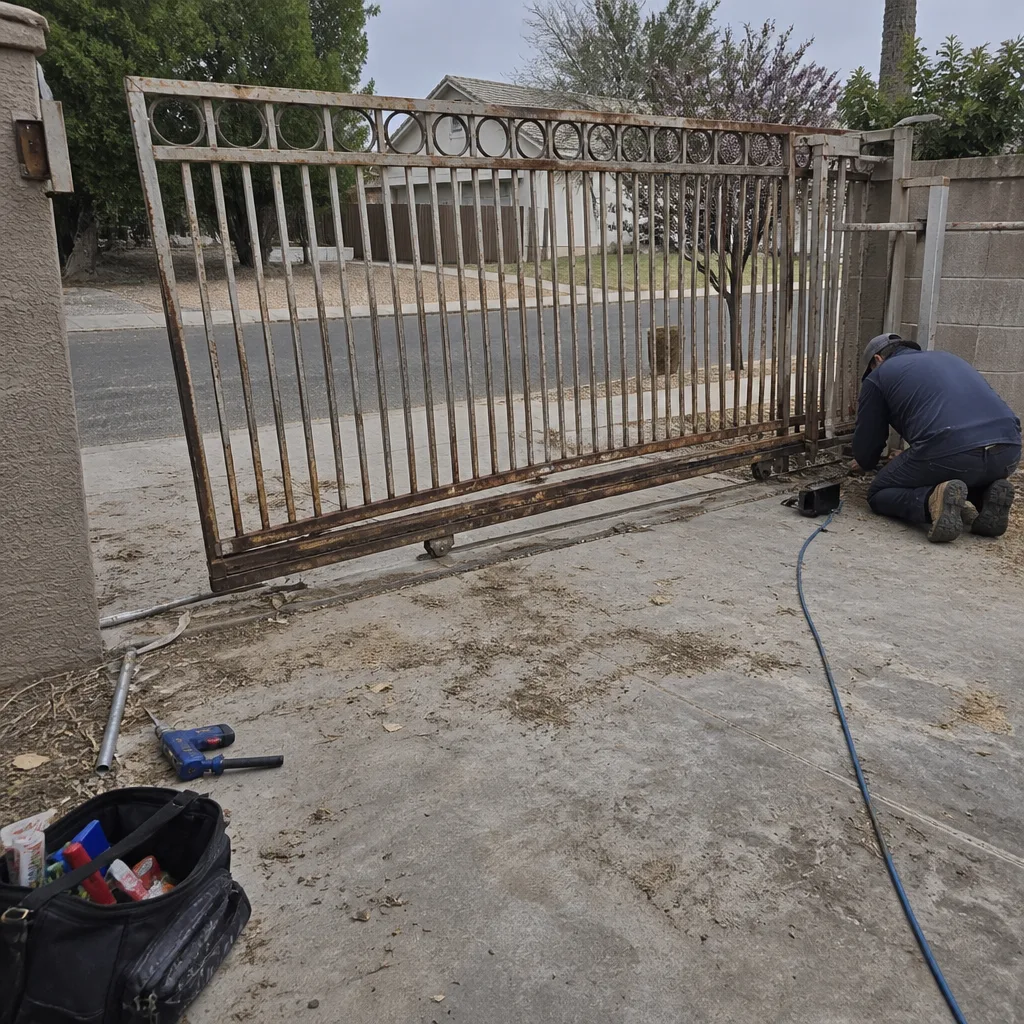 Before
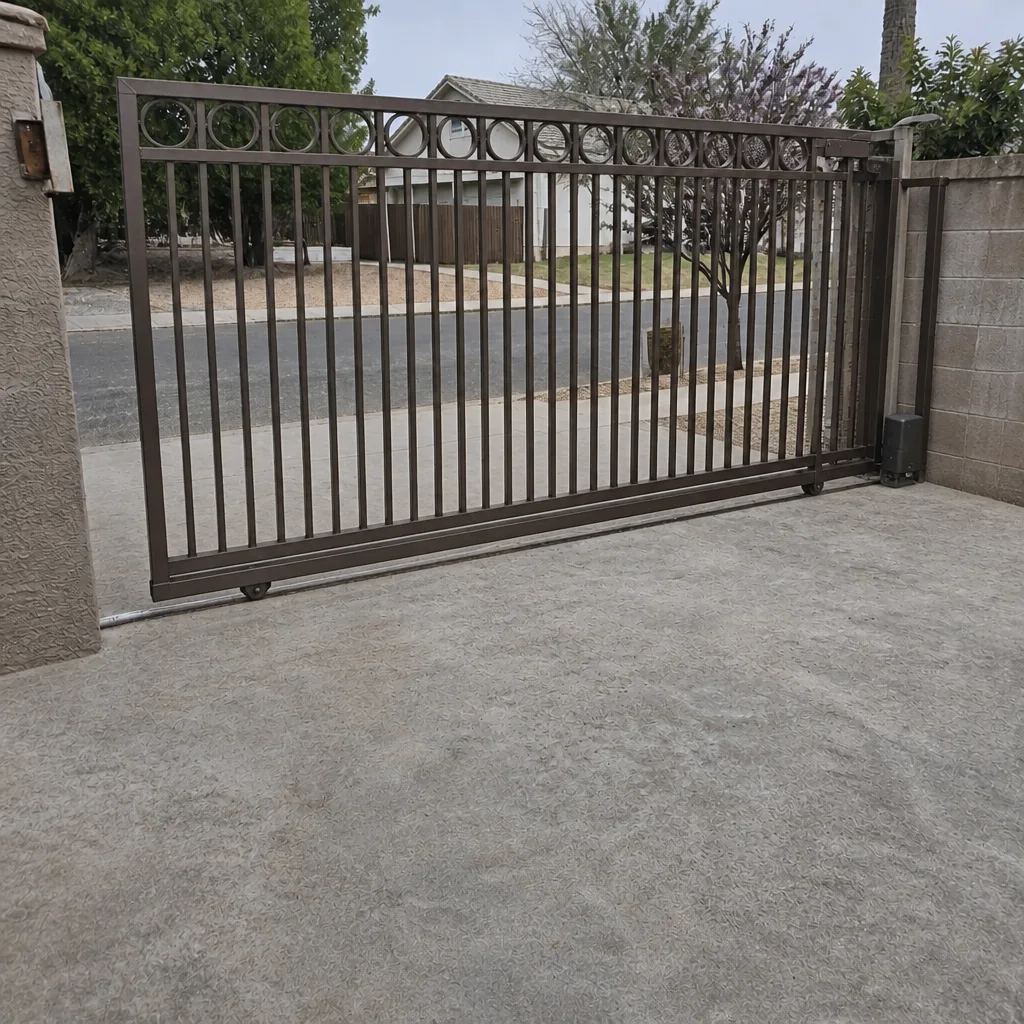 After
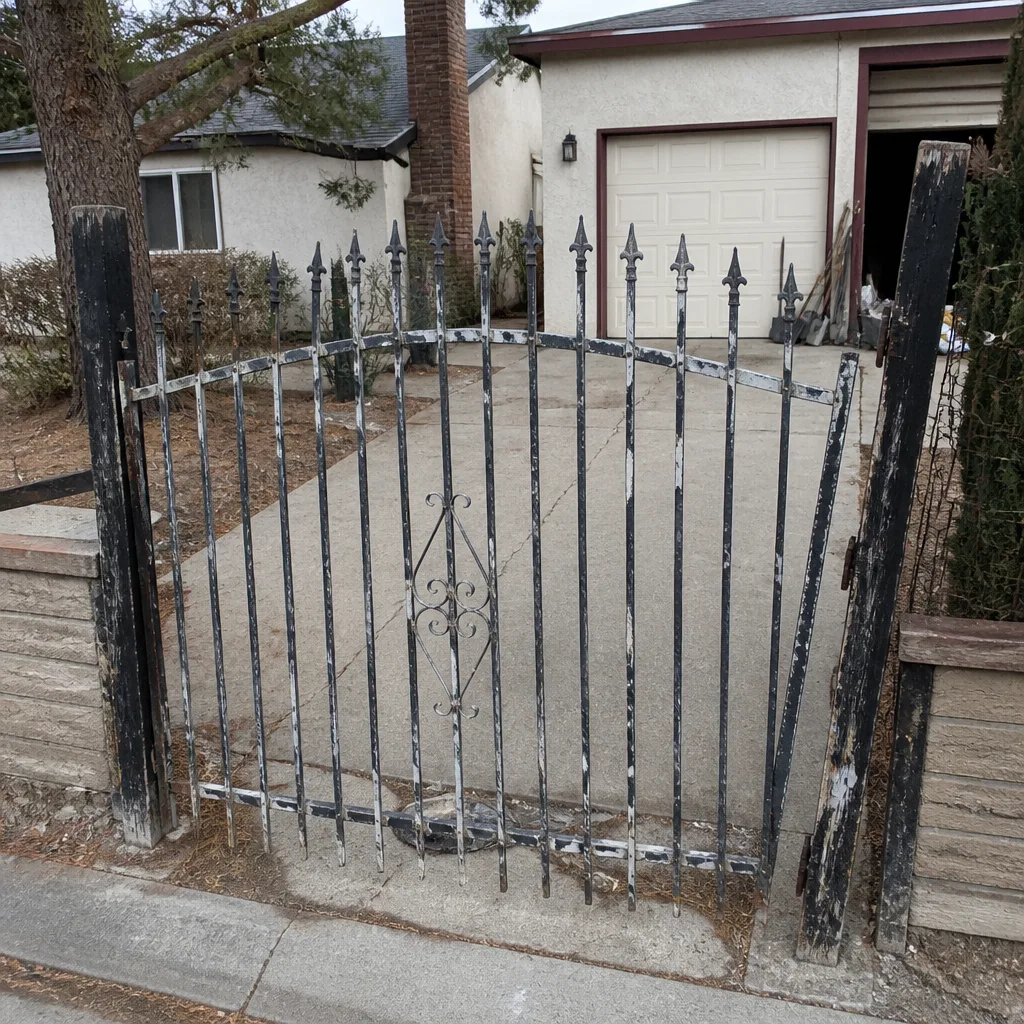 Before
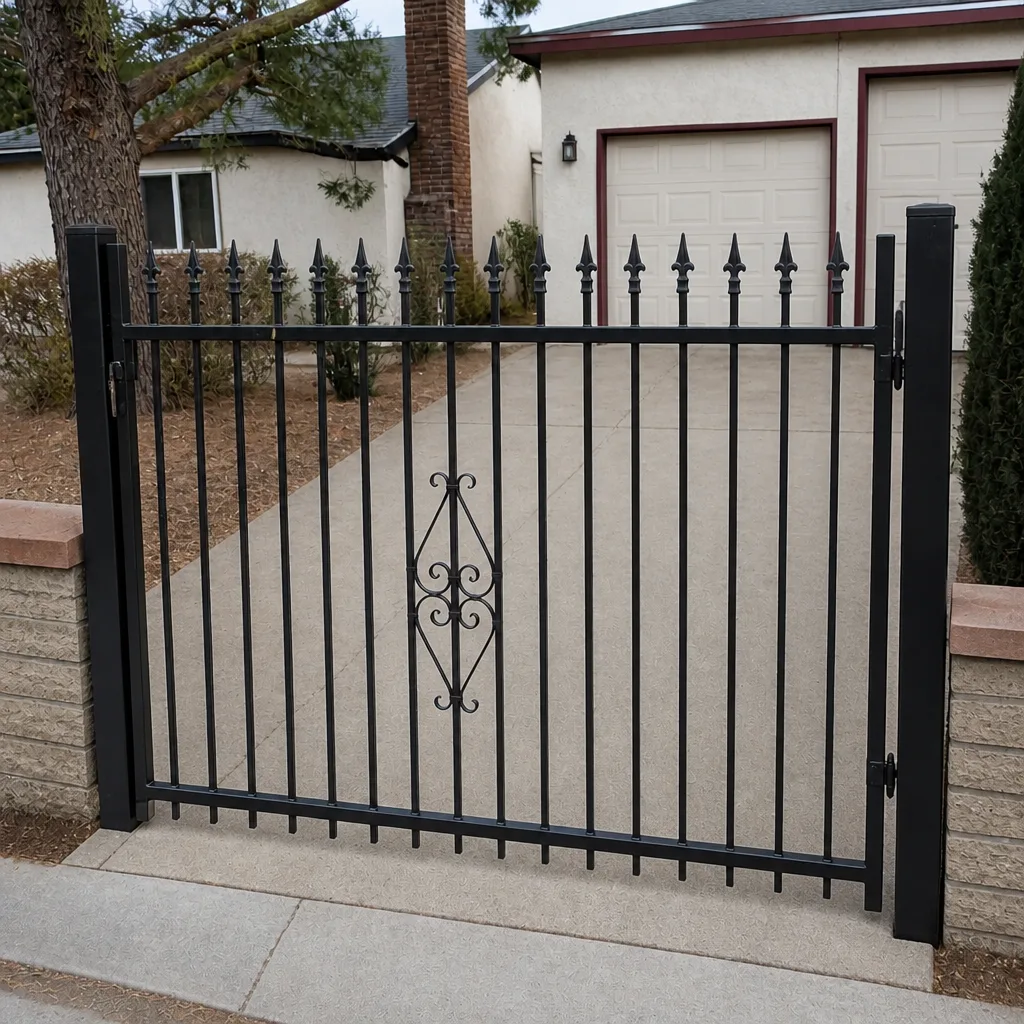 After
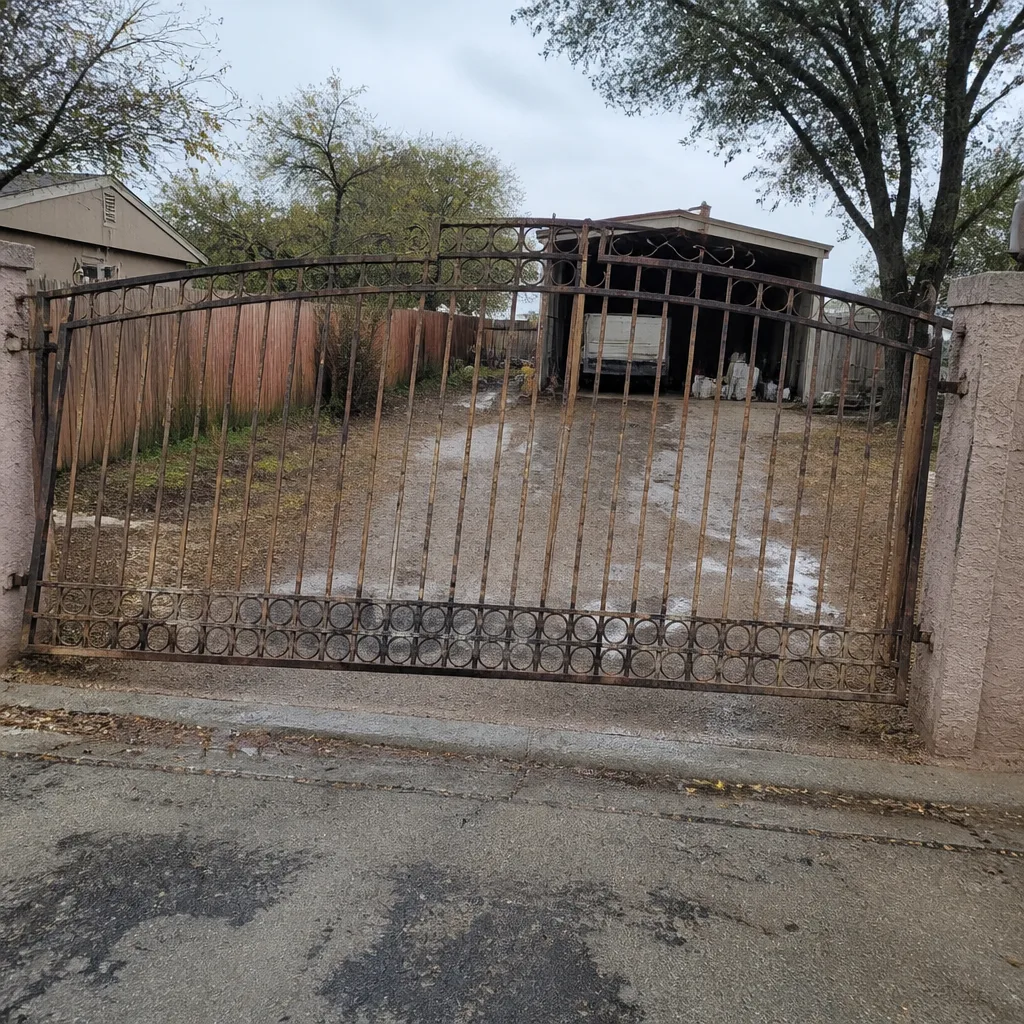 Before
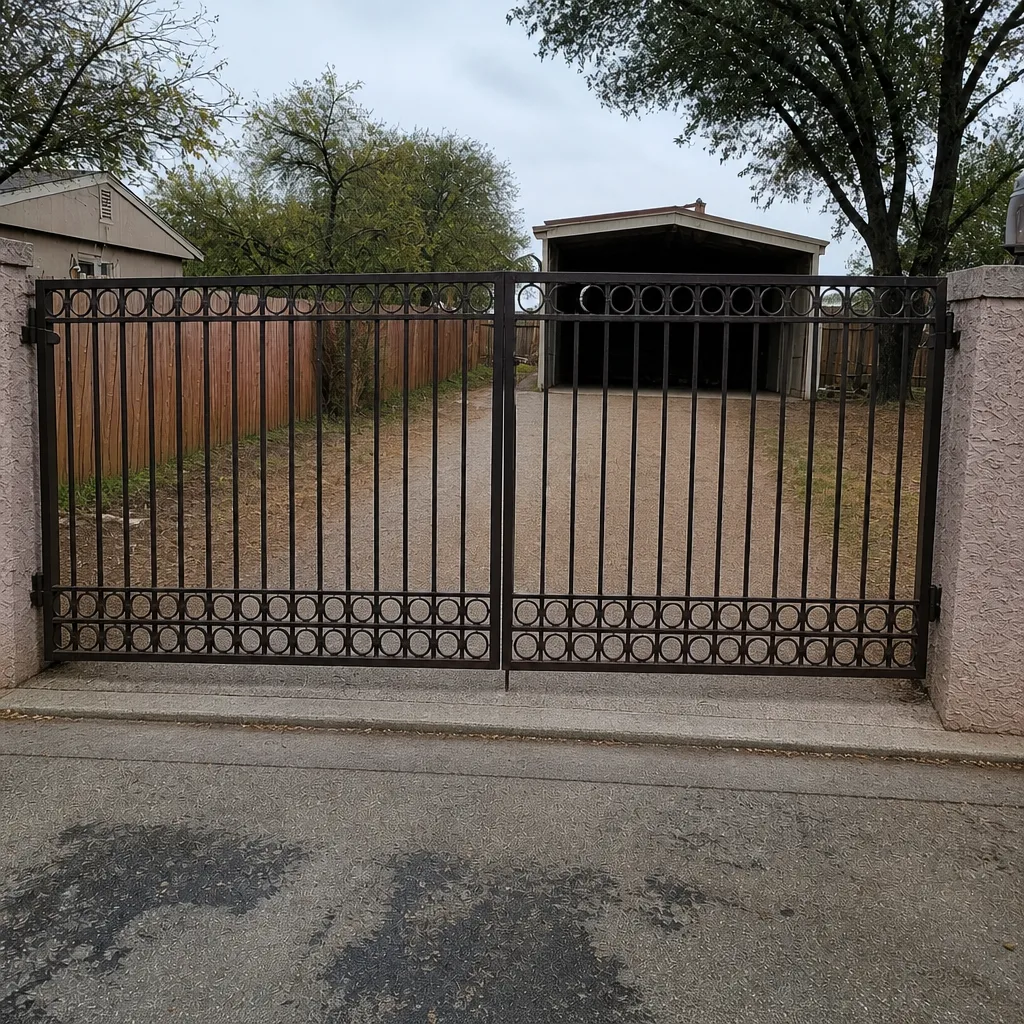 After
When to Call a Professional
You should call a trained gate technician when any of these situations comes up: your operator is installed but not permitted; you’re buying or selling a home in Whitney with an automated gate; you’re replacing an operator and aren’t sure whether the swap triggers a permit; a safety device isn’t working or you aren’t sure it is; an HOA and a county rule seem to be at odds; or your gate is moving unpredictably and you don’t want to test the safety devices yourself. The capacitors inside a gate operator hold a charge even after the power is cut, and the moving gate is unforgiving. That’s work for someone trained to do it. Ironworks Gate Co. Whitney offers free estimates in Whitney – call (855) 928-1304 and we will tell you plainly what your gate needs and what it doesn’t.
Frequently Asked Questions
Usually no. Routine gate repairs – hinges, welding, latches, remotes, keypads, limit switch adjustments – don’t require a building permit in Clark County. The work that does need a permit is new or replaced automated operator installation, new electrical circuits to the gate, structural work, and any work that changes the safety devices. When in doubt, have a licensed technician assess it; call (855) 928-1304 for a free estimate.
Yes, in most cases. Installing a new automated gate operator in Whitney usually requires a Clark County building permit plus an electrical inspection, because a new circuit is being run and safety devices must meet UL 325. Replacing an existing operator may or may not require a permit depending on whether the mounting, wiring, or safety devices change. Call us for a free estimate and we’ll confirm what your project needs.
UL 325 is the safety standard for automated gate operators. It requires entrapment protection – photo eyes, safety edges, vehicle loops, or inherent protection built into the operator – so a person or vehicle can’t be crushed or pinned by a closing gate. Almost every inspection of an automated gate involves checking UL 325 compliance. Call (855) 928-1304 if you’re unsure whether your operator meets the standard – the estimate is free.
Yes. Pull the permit history through Clark County’s online permitting portal using the property address, and look for electrical and building permits that reference a gate or operator. The operator housing’s model plate will also tell you what’s installed. If nothing shows up, order a pre-purchase gate inspection. We handle that in Whitney – call (855) 928-1304 for a free estimate.
Both apply, and the stricter wins. HOA covenants govern appearance, material, and design; municipal code governs safety, permitting, and electrical standards. A gate in Whitney has to satisfy both. The HOA requirement on color and the code requirement on safety devices can both be met on the same gate. Call (855) 928-1304 if you’re stuck between rules – the estimate is free.
It can. If the operator was installed without a permit or inspection in Clark County, some homeowner policies will deny the related liability claim on the grounds that the equipment was installed outside the approved process. The remedy is to get the operator permitted and inspected retroactively. Call (855) 928-1304 and we’ll walk you through it – the estimate is free.
The Bottom Line
Gate repairs in Clark County are usually exempt from permitting. New or replaced automated gate operators, new electrical work, and new structures usually are not. UL 325 safety standards are what the inspector is checking and what your insurance will look at after an injury. Whitney’s heat, dust, and monsoon rain make proper installation and seasonal inspection more important here than in most of the country. Verify permit status before you buy, get HOA and code approval in parallel, and never test or bypass a safety device yourself. Every job Ironworks Gate Co. Whitney completes is backed by our written 90-Day Done Right Promise, and the price is agreed upfront before a single bolt is turned.
If you’d rather not sort through permit history, UL 325 compliance, and HOA covenants on your own, call Ironworks Gate Co. Whitney at (855) 928-1304 for a free estimate. We’ll tell you plainly what your gate needs, what it doesn’t, and we’ll stand behind the work in writing.
Written by the team at Ironworks Gate Co. Whitney.