
Last updated November 17, 2026
 Wrought iron
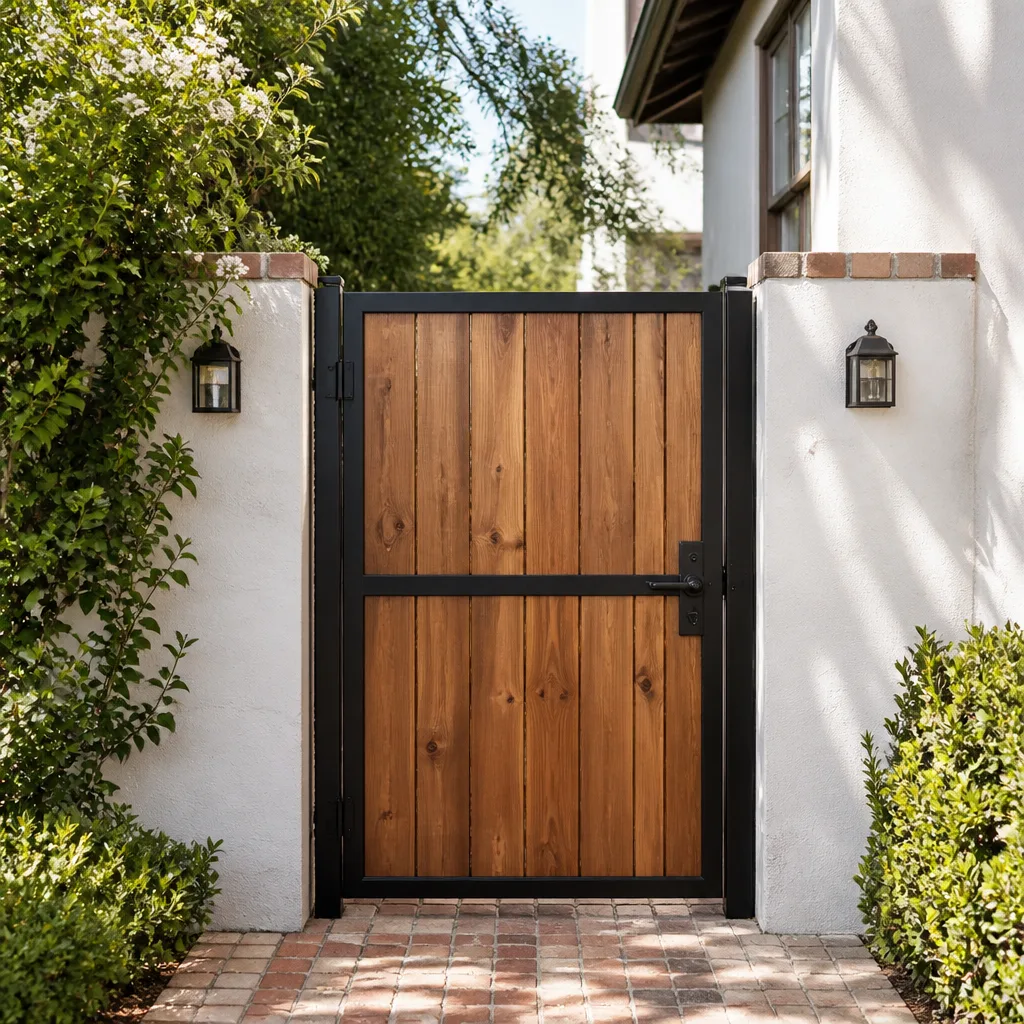 Wood & steel frame
 Farm & ranch
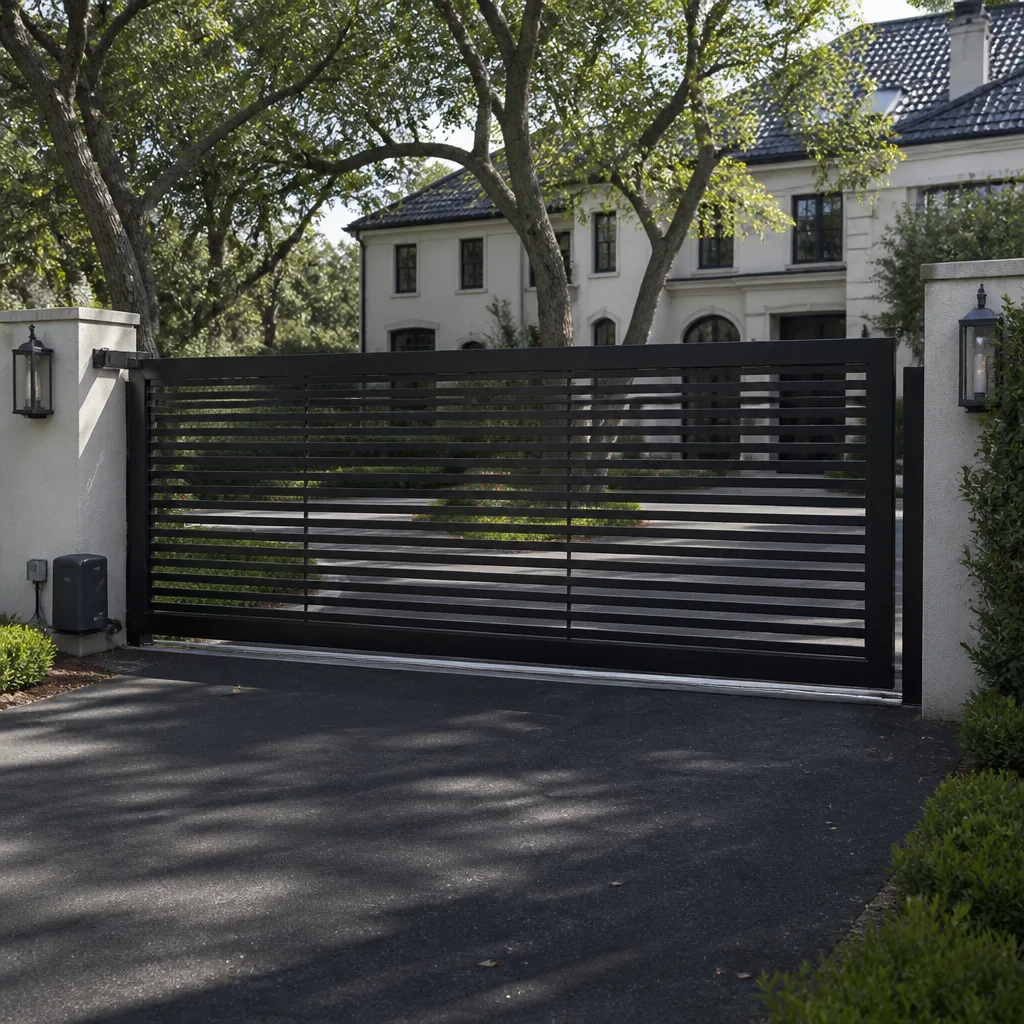 Sliding driveway gates
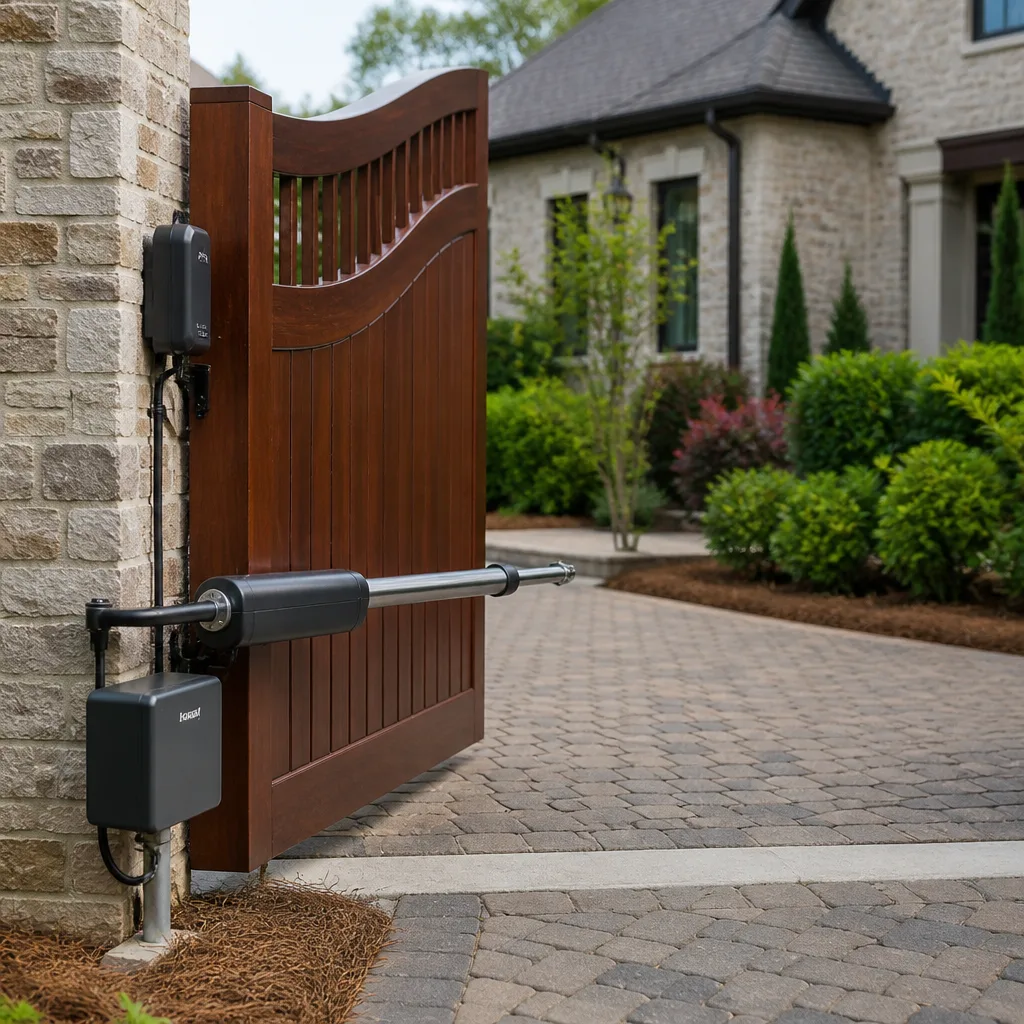 LiftMaster operators
Free on-site gate assessment - hinges, posts, and your LiftMaster or Nice gate operator checked before anything is quoted
The assessment is free and the quote is the invoice.
Get your free estimateDIY vs Professional Gate Access Control: What’s Safe to Do Yourself
A homeowner who reprograms a gate remote himself has done something harmless. A homeowner who rewires a vehicle loop detector himself has potentially voided his property insurance, and most don’t know the difference until a claim is denied or a technician refuses to touch the system. The line between these two tasks isn’t about how handy you are. It’s about where the electrical code and the liability line fall. In this guide, we’ll draw that line clearly for Whitney homeowners: which access control tasks are genuinely safe to handle yourself, which look simple but carry real electrical or crush-hazard risk, what Nevada code says about who’s allowed to do what, and the two questions that will tell you which to pick up before you start.
Quick Answer
Reprogramming a remote, changing an entry code, cleaning a solar panel, and clearing debris from a gate track are safe for most homeowners to do themselves. Wiring a loop detector, replacing a control board, aligning safety sensors, and anything that touches line voltage are jobs for a licensed professional, either a gate specialist or an electrician depending on the scope. Get that wrong and you’re risking injury, a voided manufacturer warranty, and an insurance problem that follows the system for years.
Styles & brands we work with
- Wrought iron
- Wood & steel frame
- Farm & ranch
- Sliding driveway gates
- LiftMaster operators
Table of Contents
- What gate access control tasks are actually safe to do yourself?
- The three tasks that look simple but carry real risk
- Nevada code: when you need a licensed electrician versus a gate specialist
- What attempted DIY does to your warranty and the next technician’s liability
- Solar panels and desert dust: a maintenance task Whitney owners can own
- The two questions to ask before you start any access control task
- Step-by-step: the safe DIY tasks, done correctly
- Common mistakes to avoid
What gate access control tasks are actually safe to do yourself?
The safest tasks share one trait: they never require you to open a control box, touch a wire, or climb into the path of a moving gate. A keypad code change is a menu setting. A remote reprogram is a button sequence. Cleaning dust off a solar panel is a rag and five minutes. Clearing a branch from a track is a pair of gloves. None of these put your hands near line voltage or a crush point, and none of them break a manufacturer seal.
Here’s the short list of what we tell Whitney homeowners is fair game:
- Reprogramming a remote or adding a new one. On most LiftMaster and Mighty Mule operators, this is a “learn” button on the receiver and a button press on the remote. No tools beyond a ladder if the receiver is mounted high.
- Changing an entry code. Keypads from DoorKing, Elite, and Linear all use a master-code-plus-new-code sequence printed in the manual. Keep that manual; it’s the difference between a two-minute job and a service call.
- Cleaning solar panels. Desert dust cuts charging performance faster than most people realize. A soft cloth and water restore output.
- Clearing debris from tracks and hinges. Blown palm fronds, gravel, tumbleweed. Clear it before it jams the gate and you save yourself a repair.
- Replacing remote batteries. Obvious, but the number of “my gate stopped working” calls that turn out to be a dead CR2032 would surprise you.
Everything on that list is reversible. If you fumble it, the fix is another button press, not a new control board. That’s the test: if you can undo it in under two minutes with the manual open, do it yourself.
The three tasks that look simple but carry real risk
This is where homeowners get into trouble, and it’s the part of the conversation we have most often on service calls around Whitney. Three access control jobs look like weekend projects and aren’t.
1. Vehicle loop detector wiring
A loop detector is the buried wire in the driveway that tells the gate a car is waiting. When it fails, the gate won’t open for a vehicle, and the temptation is to dig it up and splice a new one. That’s a saw-cut job, a sealed splice, and a connection back to a low-voltage circuit that shares a control board with line voltage. Get the splice wrong and you have a gate that phantom-opens at 3 a.m. or, worse, won’t close at all. This is work for a gate specialist, full stop.
2. Control board replacement
A replacement board is a $150 part and looks like a plug-in. But the board sits next to the transformer, and on many operators the line-voltage terminals are inches from the low-voltage ones. One wrong screwdriver contact and you’ve energized the chassis. It also voids the operator warranty the moment a non-certified hand opens the enclosure on most brands.
3. Obstruction sensor alignment
Photoelectric safety beams are the gate’s crush protection. If they’re misaligned or bypassed, the gate stops being safe for a child, a pet, or a car in the path. Aligning them isn’t hard, but a homeowner who “fixes” a nuisance trip by taping over the beam has defeated the exact safety feature that prevents a serious injury. Never do that. Call a professional instead.
Nevada code: when you need a licensed electrician versus a gate specialist
Nevada draws a line between low-voltage work and line-voltage work, and it matters for what you’re allowed to touch. Access control falls on both sides of that line.
Low-voltage control wiring, meaning the 12- to 24-volt circuits that run keypads, remotes, sensors, and loop detectors, is within the scope of a trained gate technician. So is the mechanical work: hinges, welds, operators, and the structural side of the gate. That’s why a gate specialist is the right call for a sensor alignment, a loop detector, or an operator swap.
Line voltage is different. The 120-volt circuit that powers the operator, runs from the panel to a disconnect, and feeds the transformer is electrical work. In Nevada, that’s a licensed electrician’s job when it’s new or altered, and a gate specialist will coordinate it rather than run it themselves. Whitney homeowners who are adding a new operator to a driveway that never had one should expect a power run to be part of the scope, and the right gate company will tell you that upfront rather than discovering it mid-job.
If you’re weighing an installation rather than a repair, our Gate Installation in Whitney page covers what the electrical scope looks like for a new gate. If it’s a motor that’s acting up on an existing gate, start with Gate Motor & Opener in Whitney.
What attempted DIY does to your warranty and the next technician’s liability
Manufacturers write their warranties to exclude damage from “unauthorized service.” On a LiftMaster or DoorKing operator, that phrase is doing real work. Open the control enclosure and swap a board yourself, and if the operator fails six months later, the manufacturer can point to your work and decline the claim. It doesn’t matter that the board isn’t what failed. The warranty covered the enclosure until someone unauthorized opened it.
The liability side is just as uncomfortable. When a technician arrives at a system that’s been worked on, they’re now servicing a machine with an unknown history. If a safety beam was bypassed by the homeowner and a technician re-energizes the gate without noticing, and something goes wrong, the liability question is messy for everyone. A good gate company will document the condition of a previously-tampered system before touching it, and some will decline the job outright until the tampering is corrected.
Our 90-Day Done Right Promise is written, no arguing, no paperwork. It applies to work we do. It cannot apply to work someone else did before us, and no honest gate company can promise otherwise.
Solar panels and desert dust: a maintenance task Whitney owners can own
Whitney sits in the Mojave, and that has a specific effect on solar-powered gate operators. Fine desert dust, the kind that coats everything after a windy spring, cuts panel output long before the panel actually fails. A gate that “randomly stops working” in July is often a gate whose panel is dirty and whose battery is running down faster than the panel can charge it. The fix is a soft cloth, water, and a few minutes.
Do this once a month through the dusty season, more often if you’re on a lot with exposed dirt nearby. Check the battery terminals for the white corrosion that desert temperature swings encourage, and brush it off with a stiff brush if it appears. If the gate starts acting up after a panel clean and a full sunny day, you’ve reached the end of the DIY list. That’s a battery or a charge controller, and it’s a service call.
For the broader picture of what keeps a gate healthy through a Whitney summer, our Gate Repair in Whitney page covers the seasonal patterns we see most.
The two questions to ask before you start any access control task
Before you pick up a screwdriver, ask yourself two questions. The answers will tell you whether to proceed or call.
- Does this task require me to open an enclosure that contains line voltage? If yes, stop. The control box on every residential operator we service mixes 120-volt input with low-voltage control signals, and the distinction isn’t always obvious by looking. If you have to ask, the answer is no.
- If I get this wrong, does something move, crush, or fail to stop? Gate operators are heavy machinery. A gate that doesn’t reverse on obstruction is a hazard, and a gate that phantom-opens is a security problem. Any task whose failure mode involves a moving gate should be done by someone who will stand behind it in writing.
If both answers are no, it’s a menu setting or a cleaning job, and it’s yours. If either is yes, that’s a professional’s job. The line is that simple, and this is the test we’d want a Whitney homeowner to run before calling us, even if it means they don’t need us.
Step-by-step: the safe DIY tasks, done correctly
For the tasks that are genuinely safe, here’s how to do them without creating a service call. Work on these with the gate stopped and the operator powered down at the breaker, not just at the remote.
Reprogramming a remote
- Locate the “learn” button on the operator or receiver. It’s labeled on most LiftMaster and Mighty Mule units.
- Press and release it once. The indicator light will flash or stay lit, depending on the brand.
- Within 30 seconds, press and hold the remote button you want to program until the operator responds.
- Test by driving the gate through a full open and close cycle before you call it done.
Changing a keypad code
- Enter the existing master code, then press the program key. On most DoorKing and Elite keypads the manual prints the exact sequence.
- Enter your new code, then re-enter it to confirm.
- Test the new code at the gate before you walk away. If it fails, the old code is still active and you haven’t locked yourself out.
Cleaning a solar panel
- Power the operator down at the breaker.
- Wipe the panel with a soft cloth and water. No abrasive pads, no solvents.
- Check the battery terminals for corrosion and brush it off if present.
- Restore power and confirm the gate cycles normally.
If a step doesn’t work as described, that’s information, not failure. A remote that won’t learn is usually a receiver problem, and a keypad that won’t accept a code is usually a keypad going bad. Both are worth a call rather than another hour of trying.
Common Mistakes to Avoid
- Taping over a safety beam to stop a nuisance trip. This defeats the gate’s crush protection. If the beam is tripping, it’s misaligned or dirty, and it needs to be fixed, not bypassed.
- Opening the control box to “just look.” On most brands, that’s the moment the warranty exclusion kicks in. Look at the manual, not the board.
- Digging up a loop detector to splice a new one. A bad splice turns into a phantom-opening gate or a gate that won’t close. That’s a specialist’s job with the right tools.
- Replacing a control board with an aftermarket part from a website. The fit and the firmware rarely match, and the operator may refuse to learn the new board’s signals at all.
- Ignoring a solar panel for months in Whitney dust. By July, the battery is running on fumes and the gate starts failing at the worst possible time.
- Assuming a dead remote means a dead operator. Nine times out of ten it’s the battery. Check that first.
- Calling a general handyman for access control wiring. Ask whether they’re certified on your operator brand and carry the right insurance before they touch a control enclosure.
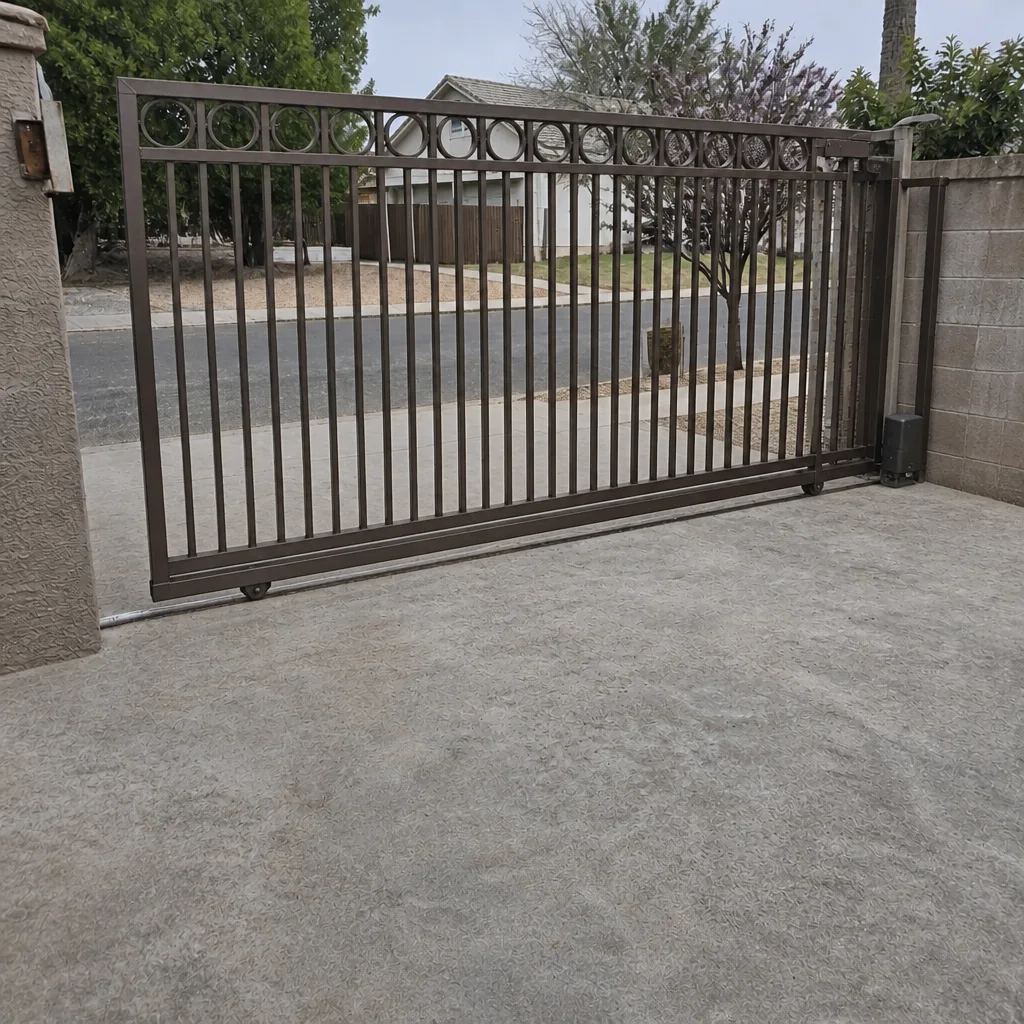
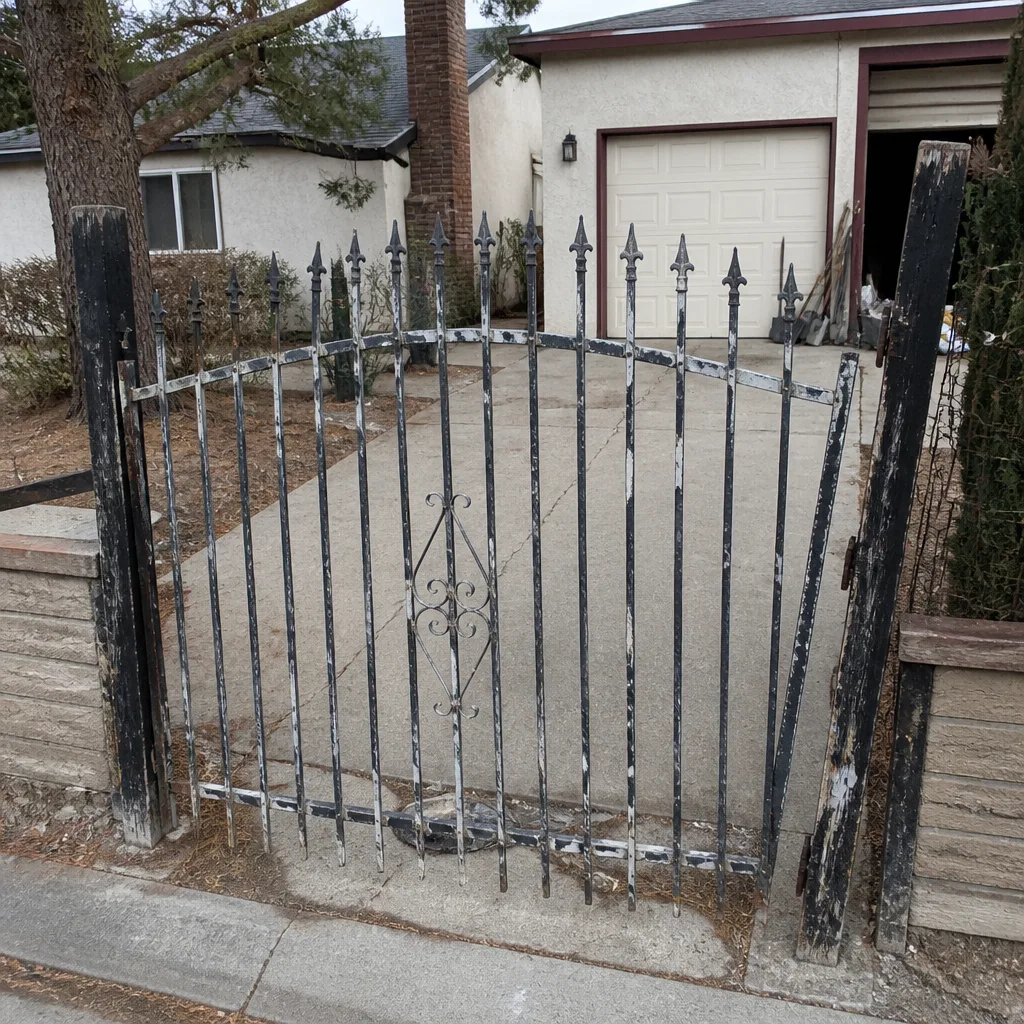
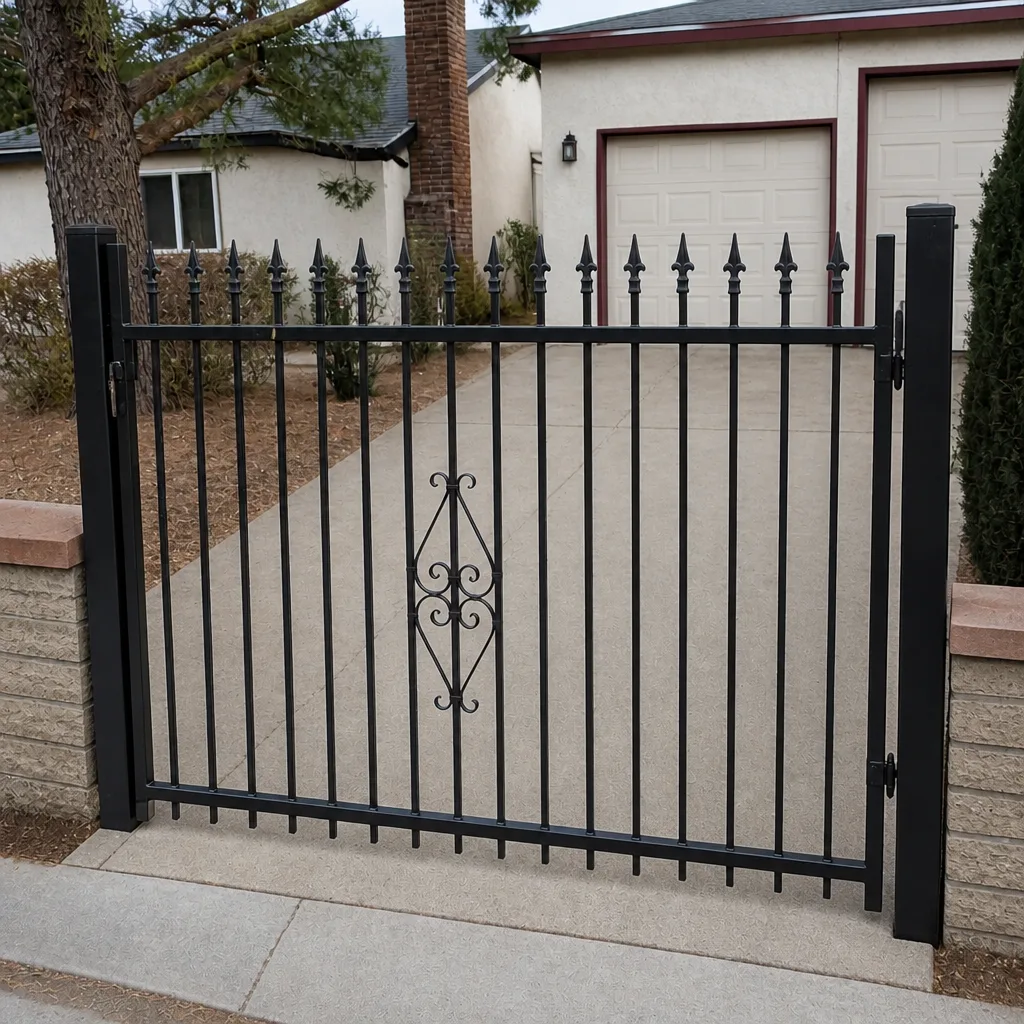
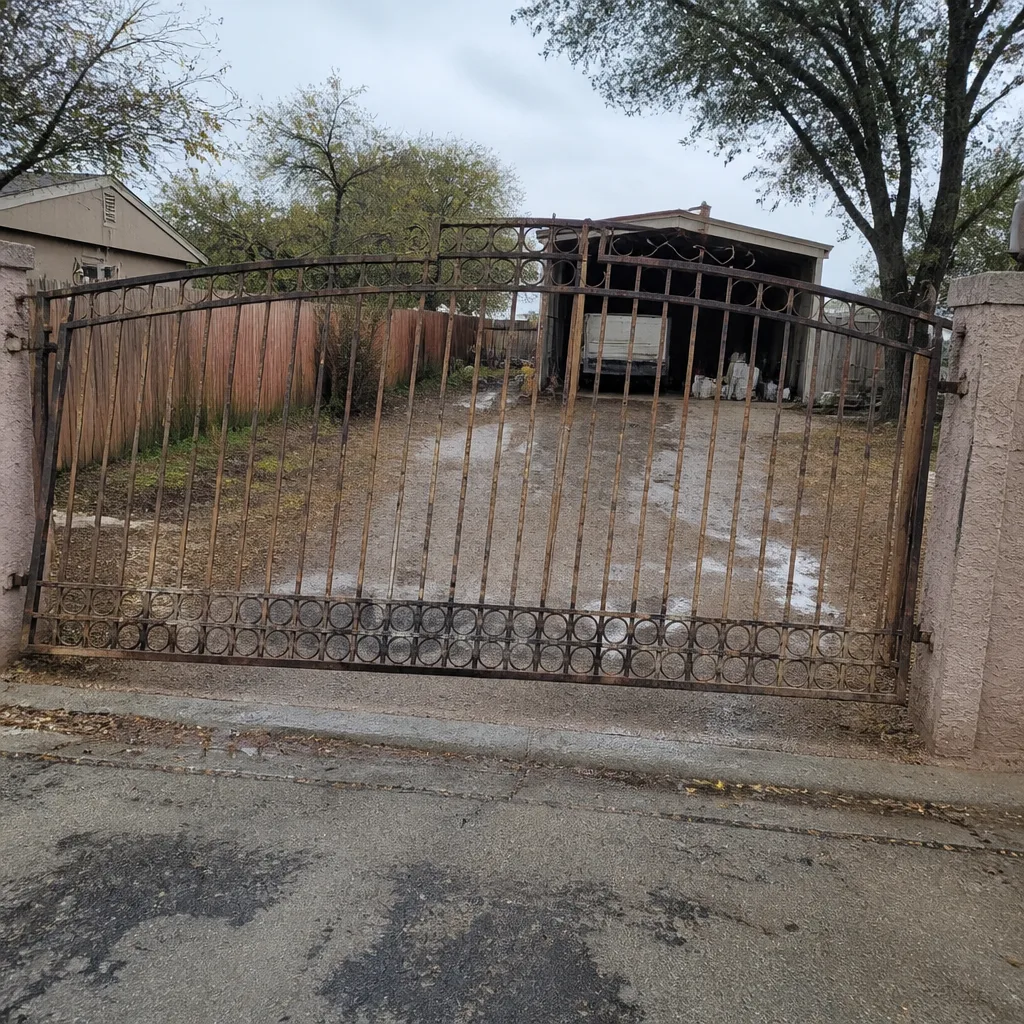
See the difference
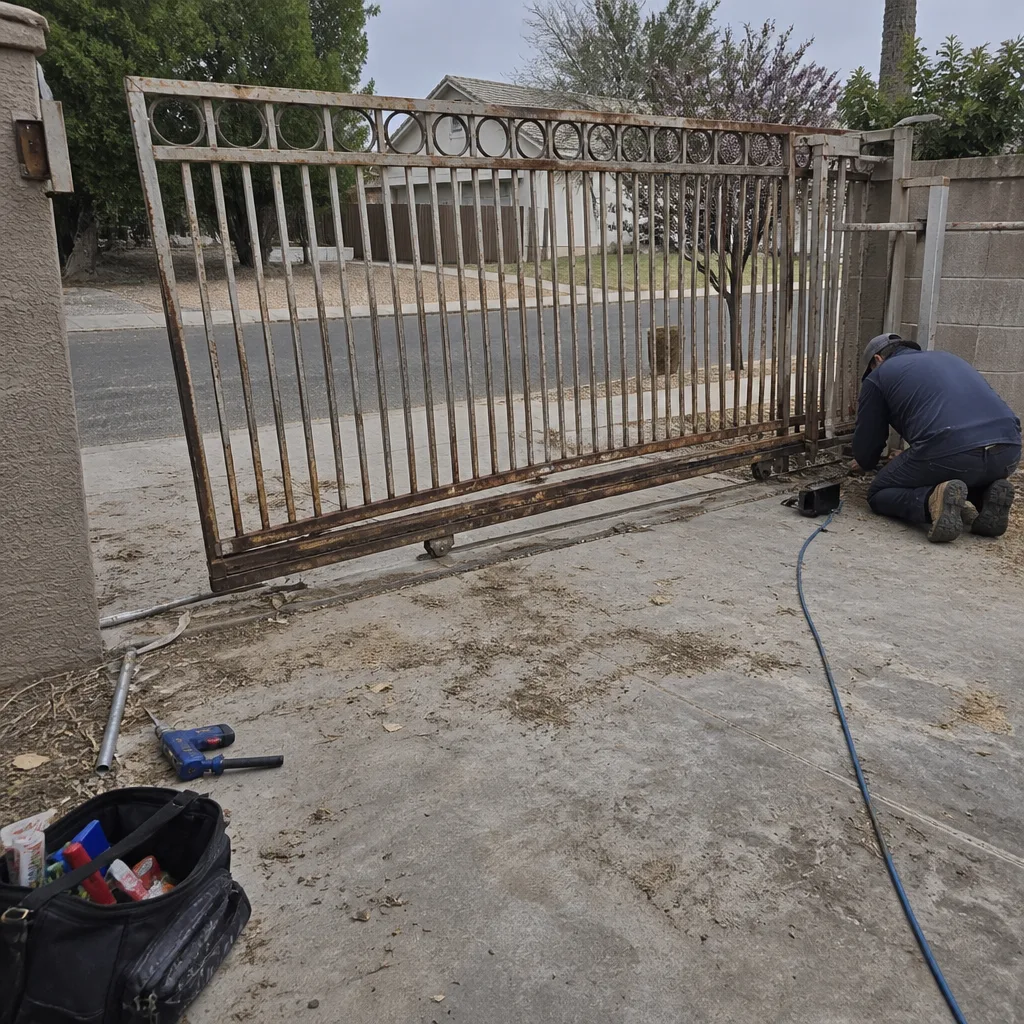 Before
 After
 Before
 After
 Before
 After
When to Call a Professional
Call a professional when the task involves opening a control enclosure, wiring a loop detector, aligning or replacing a safety beam, replacing a control board or operator, or anything that touches line voltage. Call when the gate won’t reverse on obstruction, phantom-opens, or has been tampered with by a previous owner. Call when you’re adding a new operator and need a power run. And call when you’ve done the safe tasks, the gate still misbehaves, and you’re past the end of the DIY list. Ironworks Gate Co. Whitney offers free estimates in Whitney. Call (855) 928-1304.
Frequently Asked Questions
No. The control board sits next to line voltage, and on most brands opening the enclosure voids the manufacturer warranty. It’s a certified technician’s job, and the part is specific to your operator brand and model.
No. A loop detector requires a saw cut, a sealed splice, and a connection back to a shared control board. A bad splice creates a gate that phantom-opens or won’t close, and the failure can compromise your property insurance coverage if it’s traced to an unpermitted repair.
For line-voltage work, yes. The 120-volt circuit feeding the operator is a licensed electrician’s scope when it’s new or altered. Low-voltage control work and the mechanical side of the gate fall within a gate specialist’s scope. A good gate company will coordinate the electrical part rather than run it themselves.
Usually yes. Most manufacturers exclude damage from unauthorized service, and “unauthorized service” typically means any non-certified hand opening the control enclosure. The exclusion applies even if the part you touched isn’t what later failed.
Taping over a safety beam to stop a nuisance trip. In Whitney, dust and heat cause beam misalignment seasonally, and the temptation is to bypass it. That defeats the gate’s crush protection. Clean and realign the lens instead, or call a professional.
Yes. Power the operator down, wipe the panel with a soft cloth and water once a month through the dusty season, brush off any battery terminal corrosion, and test the gate before you walk away. If the gate still fails after a full sunny day, that’s a battery or charge controller and a service call.
The Bottom Line
The line between DIY and professional gate access control work isn’t about skill. It’s about line voltage, crush hazards, and warranty seals. Remote reprogramming, code changes, solar panel cleaning, and debris clearing are yours to own. Loop detectors, control boards, safety beam alignment, and anything that touches 120 volts belong to a certified professional. Run the two-question test before every task, and the answer will be obvious. When it’s not, call. That’s the whole point of this guide: knowing where the line is, before you cross it.
If you’re ready to have the work done right and backed in writing, Ironworks Gate Co. Whitney home is where to start. Our technicians have up to 13 years of experience, and we’re certified on the nine leading gate-automation brands, including LiftMaster, DoorKing, Elite, and Mighty Mule. Call (855) 928-1304 for a free estimate. A live person answers every call, 24 hours a day, seven days a week. Ask about our $50 Off Any Repair Over $250, the Free Second Opinion on Any Written Estimate, the $89 Seasonal Tune-Up, and the permanent 5% Senior and Veteran discount.
Written by the team at Ironworks Gate Co. Whitney.