
Last updated November 17, 2026
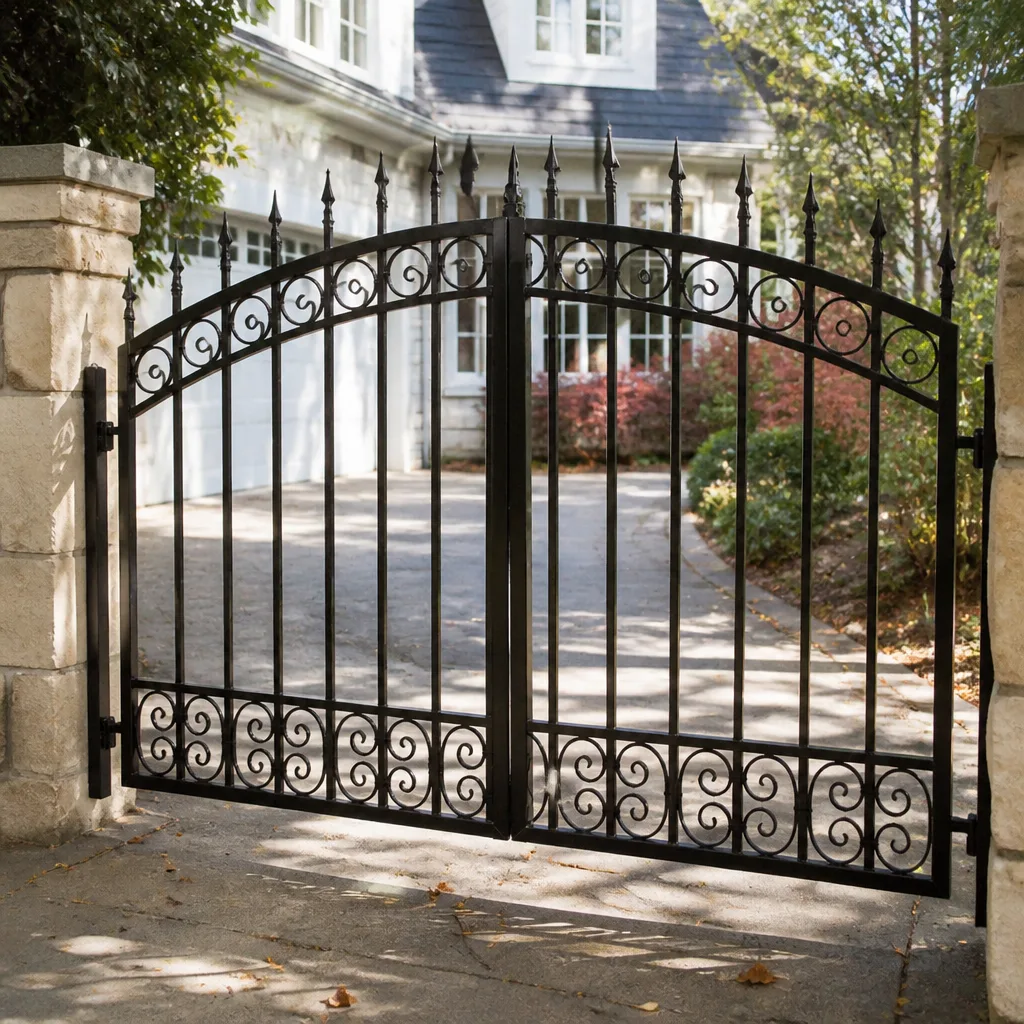 Wrought iron
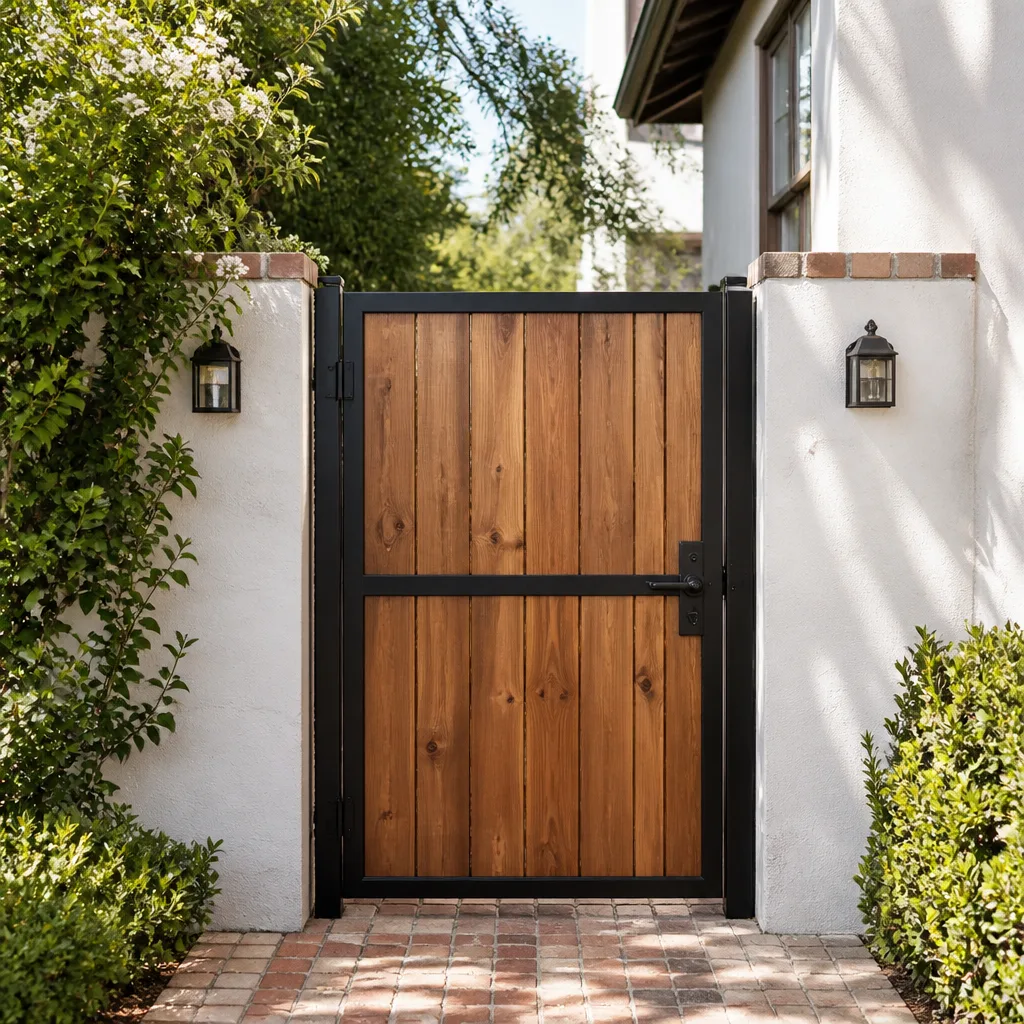 Wood & steel frame
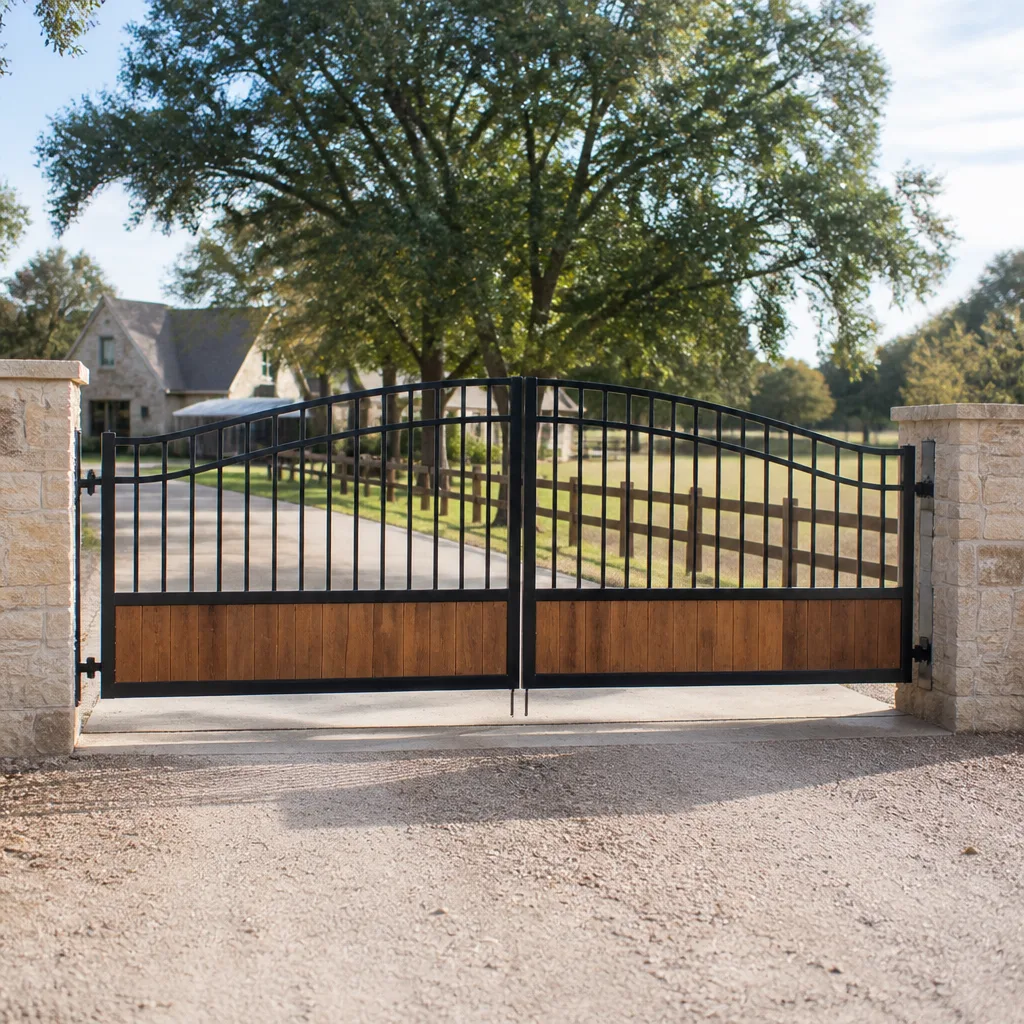 Farm & ranch
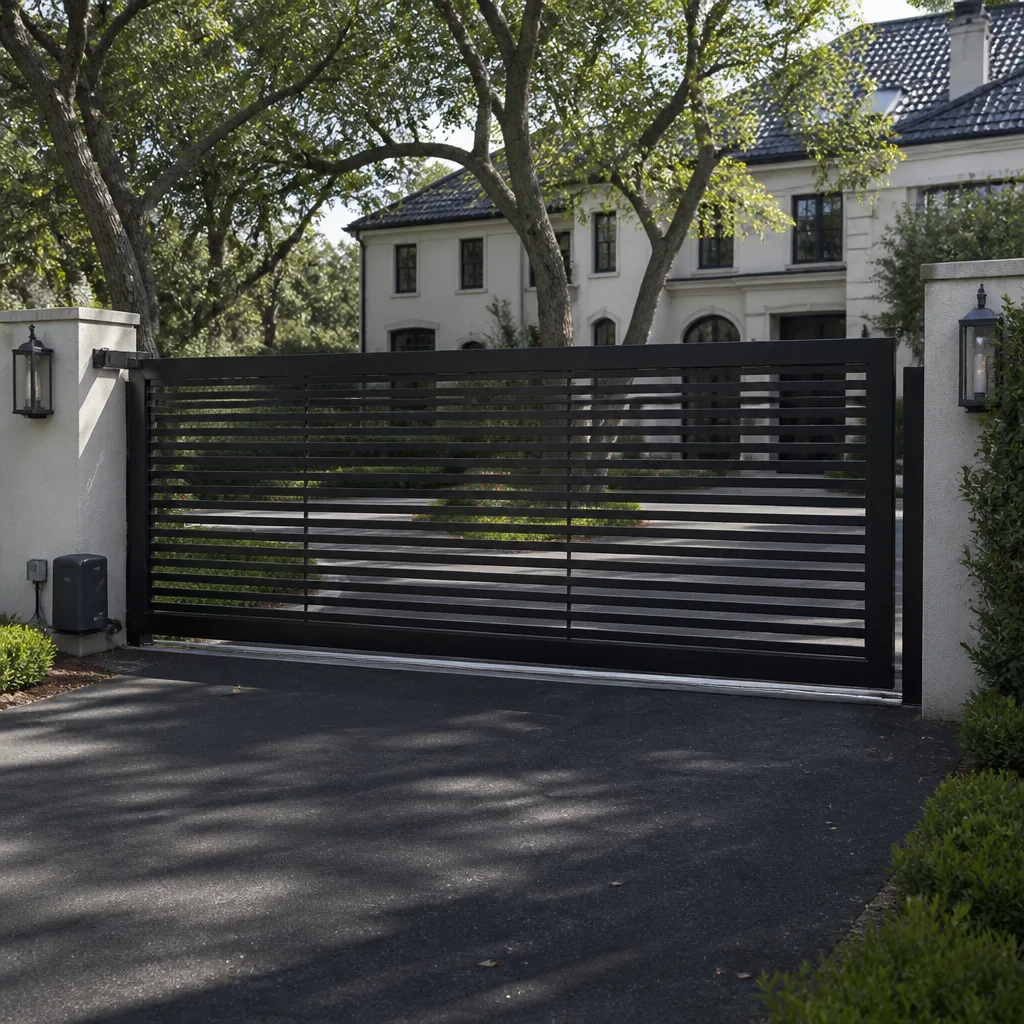 Sliding driveway gates
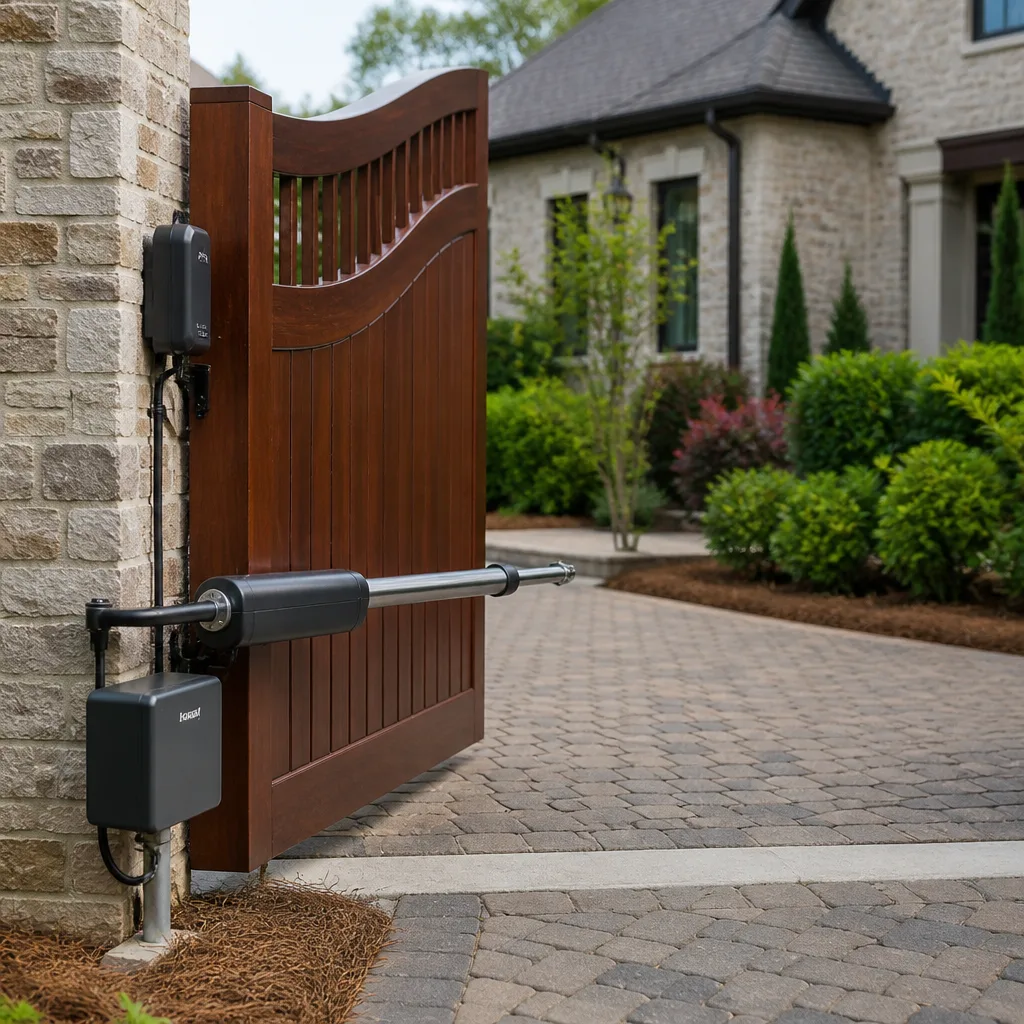 LiftMaster operators
Free on-site gate assessment - hinges, posts, and your LiftMaster or Nice gate operator checked before anything is quoted
The assessment is free and the quote is the invoice.
Get your free estimateGate Repair Warning Signs: A Whitney Homeowner’s Reference Guide
A gate that hesitates for two seconds before it moves isn’t being slow. It’s telling you the operator is working at the limit of its torque capacity, and the next thing to fail will be the gearbox, not the hinge you’ve been meaning to tighten. Most homeowners in Whitney have learned to live with small warning signs. A little grind here, a stall there, a remote that needs two presses instead of one. That tolerance is exactly what turns a $200 adjustment into a $1,400 motor replacement. This guide walks through every symptom a driveway gate shows before it quits, what each one actually means, and how much time you have before it becomes a major repair.
Quick Answer
The most common gate repair warning signs are hesitation before movement, grinding or clicking sounds, uneven travel, and error codes on the control board. Any symptom that appears intermittently is more urgent than one that happens every single time, because intermittent faults point to components already failing under load. In Whitney’s dry desert heat and blowing dust, most of these signs show up months before a full breakdown, which gives you a real window to fix the cause instead of the consequence.
Styles & brands we work with
- Wrought iron
- Wood & steel frame
- Farm & ranch
- Sliding driveway gates
- LiftMaster operators
Table of Contents
- Symptom-to-Cause Reference: What You See and What It Means
- Why Intermittent Problems Are More Urgent Than Consistent Ones
- Structural Warning Signs in Steel Gates
- Automated Gate Error Codes Decoded
- How Long Each Warning Sign Gives You
- Whitney Climate and Gate Wear
- Common Mistakes to Avoid
- When to Call a Professional
Symptom-to-Cause Reference: What You See and What It Means
When a homeowner in Whitney calls us about a gate problem, the first thing we ask is what they actually observe. Not the diagnosis they’ve guessed at, but the raw symptom. The observation almost always maps to a small set of mechanical or electrical causes, and knowing that map saves time and money.
Here’s the reference we walk through on nearly every first visit:
- Two-to-three-second pause before movement: The operator’s capacitor is weak, or the control board is waiting on a limit switch that’s sticking. On LiftMaster operators this often pairs with a brief hum before the gate travels.
- Grinding or metallic squeal during travel: Worn hinge bearings, a dry roller track, or debris packed into the guide. In Whitney, alkaline dust bonds to grease and turns it into an abrasive paste.
- Gate reverses halfway through closing: A photo-eye or safety edge is misaligned or blocked, or the force setting on the operator is too low for the season. Heat expansion alone can trip this.
- Clicking, then nothing: The motor tries to engage but the drive gear is stripped, or the battery on a solar Mighty Mule operator has dropped below usable voltage.
- Uneven gap at the latch side: Post lean, a sagging hinge weld, or a bent frame. This is structural, not electrical.
- Remote needs multiple presses: Failing receiver board, weak battery in the remote, or a nearby interference source like new LED lighting.
- Very slow travel or sluggish response: The operator is running at the edge of its torque curve. It’s the earliest sign of motor strain and the one most ignored.
If one of these lines up with what’s happening at your gate, a diagnosis is usually straightforward. If two or three line up at once, the operator may already be compensating for a mechanical problem, which is exactly the moment you want a trained eye on it. Our Gate Repair in Whitney page lays out how we handle each case in the field.
Why Intermittent Problems Are More Urgent Than Consistent Ones
A gate that fails every single time is easy to diagnose. A gate that “usually works fine” is the one that keeps technicians up at night, and it’s the one you should treat with more urgency, not less.
Here’s the logic. A consistent failure means a part has already failed and is being ignored. An intermittent failure means a part is still working, but only just. A limit switch that sticks once in twenty cycles is a switch that is already worn. A capacitor that’s weak at 105°F but fine at 85°F is still a capacitor on its way out. The intermittency is the symptom of a narrowing margin between the load the operator faces and the torque it can deliver.
We see this constantly in Whitney, where summer afternoons push gate operators harder than the manufacturer ever designed them to run. A gate that stumbles in July and runs clean in November isn’t healed. It’s waiting for the next heat wave. The pattern matters more than the moment:
- Track when it happens. Morning vs. afternoon, hot day vs. cool day, first cycle vs. tenth. This single habit exposes the pattern.
- Note whether the symptom changes with temperature. Heat-related failures point to capacitors, motors, and control boards.
- Note whether it changes with load. A gate that fails only when it’s windy points to force settings or worn hinges.
- Write it down. Give the notes to whoever inspects the gate. A three-week log is more diagnostic than any single service call.
An intermittent fault caught early is almost always a small repair. Left until it becomes consistent, it’s usually a motor replacement. If your gate is doing this, our team can inspect it before the next failure; call (855) 928-1304 for an exact quote, and the price is settled before any work starts.
Structural Warning Signs in Steel Gates That Look Cosmetic
Steel gates are forgiving, until they aren’t. The structural warning signs homeowners most often dismiss as cosmetic are the ones that precede the expensive repairs. Here’s what to look for on a steel gate in Whitney.
- Surface rust in a line or pattern: Isolated rust is cosmetic. Rust that runs in a straight line along a weld seam is that weld telling you moisture is getting in. Horizontal rust at the bottom of a vertical tube means water is pooling inside the frame.
- Weld stress cracks: A hairline crack on a hinge weld looks minor. It isn’t. Each cycle widens it, and a hinge that peels off a post can drop an 8-foot leaf in a hurry. Check the welds at every hinge, latch, and corner joint once a season.
- Post lean that is barely visible: A post that leans a quarter inch throws the gate’s travel off at the far end. The operator sees that misalignment as a runaway and trips the safety reversal, over and over, until the gearbox wears out. A level against the post tells you more than the eye does.
- Ground shifting at the base: Whitney’s compacted desert soil can settle around a post footing after a wet winter, and a small tilt at the base becomes a full inch of travel error at the top of a 6-foot gate.
- Rattling when the gate hits a stop: Loosening fasteners and worn bushings. Left alone, this beats the mountings and the frame.
Each of these signs is cheap to correct on its own and expensive to correct once the operator has been damaged by it. A structural inspection during your next service call is worth asking for, and our Gate Motor & Opener service visits often include a quick check of post flanges and hinge weld integrity.
Automated Gate Error Codes Decoded in Plain Language
Every automated gate has a control board that’s trying to tell you what’s wrong. The trouble is that the code is usually a blinking LED, and the manual is written for installers. Here’s what the common signals mean across the operators we service, including LiftMaster, FAAC, Elite, and Mighty Mule.
- One flash, pause, repeat: Usually a limit switch fault. The board cannot tell where the gate is, so it stops the cycle for safety. Common cause: a sticking switch or a broken wire at the actuator arm.
- Two flashes, pause, repeat: On most brands this is a photo-eye or safety edge fault. Something is interrupting the beam or tripping the edge, and the gate will not close.
- Three flashes, pause, repeat: Frequently a motor overload or thermal cutoff. This is the classic “it stopped working in the afternoon” code. The motor is hot and protecting itself.
- Four or more flashes: Brand-specific codes. On FAAC boards this often points to a battery or power supply issue. On Mighty Mule solar operators, low battery voltage is the usual suspect.
- Solid light, no movement: Board is powered but the operator is not receiving a command. A dead remote battery, a keypad fault, or a stuck open button at the board.
- No light at all: No power reaching the board. Check the breaker first, then the low-voltage transformer, then the wiring.
The exact blink sequence matters, so count the flashes and note the pattern before you call. That one detail turns a diagnostic visit into a same-visit repair more often than not. Our Gate Installation in Whitney team also services boards on installed systems from those nine major brands, so the fix is usually on the first visit.
How Long Each Warning Sign Gives You Before It Escalates
Not every warning sign is equally urgent, and the difference between “book a service this month” and “stop using the gate today” is real. Here’s the framework we use in the field, phrased the way we’d explain it to a neighbor.
- Cosmetic rust, rattle at a stop: Months of runway. Book a service when it’s convenient. Small fix, cheap part.
- Sluggish start, weak remote response: Six to twelve weeks. The operator is working but straining. A battery or capacitor swap now avoids a motor later.
- Grinding or squealing during travel: Four to eight weeks. Bearings or bushings are wearing with every cycle. Ignore it and the wear accelerates.
- Intermittent hesitation, occasional reversal: Two to six weeks. The margin between working and failing is narrowing. This is the upgrade point, not the panic point.
- A weld crack, hinge play, or visible post lean: Days to two weeks. Stop treating this as cosmetic. A dropped gate can injure a person or damage a vehicle.
- Consistent stall, repeated reversal, or a burnt smell at the board: Stop using the gate today. This one is a service call, not a repair project.
Two extra notes. First, gates and their operators are genuinely dangerous components: the springs, arms, and pinch points on an automated gate can cause serious injury, and anything on the motor or control board side needs a trained professional, not a DIY session. Second, the price for any repair is quoted and agreed before a single bolt is turned, so there is no reason to wait on a small fix out of fear of a big invoice. Our Ironworks Gate Co. Whitney home page explains what a service call looks like from start to finish.
Whitney Climate and Gate Wear
Whitney’s desert conditions are hard on a gate. Summer afternoons push surface temperatures on black steel past 140°F. Blowing dust from the open ground west of town works into every hinge, roller, and gearbox. Winter mornings can dip into the twenties, and the thermal cycles alone stress metal and wiring year over year.
That combination changes what counts as “normal” wear. Grease that would last a year in a coastal climate turns into dust-bonded grit within months here. Solar operators like Mighty Mule can drop below usable battery voltage in prolonged overcast stretches. And a gate that runs clean all spring can stall in the first heat wave because the capacitor margin was already thin.
What this means practically is simple: any warning sign you notice in the cooler months is likely to be worse in July than it is today. Fix it before summer, not after. A seasonal tune-up ahead of the heat is the single cheapest thing a Whitney homeowner can do to avoid a mid-summer emergency.
Common Mistakes to Avoid
- Treating “it usually works” as fine. Intermittent faults are early-stage failures. The gate is telling you the part is worn, not that the gate is temperamental.
- Adjusting the force setting to get past a stall. Turning up the force to force a gate through a stuck hinge is the single most expensive habit in gate repair. It pushes the strain onto the operator and shortens the motor’s life directly.
- Ignoring a weld crack because it looks small. A hairline crack in a hinge weld is not cosmetic. It widens with every cycle and can drop a gate leaf on a car.
- Greasing everything in sight. Whitney dust turns over-greasing into an abrasive paste. Match the lubricant to the part, and don’t add more than the joint needs.
- Skipping a seasonal tune-up to save $89. A tune-up catches hinge wear, capacitor strain, and post lean before any of them become a motor. It’s the cheapest form of insurance on the whole system.
- Assuming a solar operator only needs sun. A Mighty Mule solar operator that stumbles on overcast days needs a battery check, not a sunnier spot.
- Waiting on a low-voltage wire fault. Photo-eye wiring that’s been chewed by a rabbit or baked by the sun will not fix itself, and the gate will spend every cycle chasing a fault it can’t clear.
Every one of these mistakes shows up on our list because we’ve seen it cost a Whitney homeowner a motor. If one of them is happening at your gate right now, our Gate Repair in Whitney team can stop it before it escalates.
When to Call a Professional
Call a professional if the gate stalls or reverses more than once a week, if you see a weld crack or any visible post lean, if the operator smells hot or shows a repeated error code, or if the gate is moving more slowly than it used to. Call immediately if the gate drops or catches on a vehicle, if a safety edge stops working, or if a hinge has any visible play. On automated systems, the springs, the arms, and the control board are not homeowner work, and a trained technician is the only safe way to inspect them. Ironworks Gate Co. Whitney offers free estimates in Whitney – call (855) 928-1304, and a live person answers any hour of the day.
See the difference
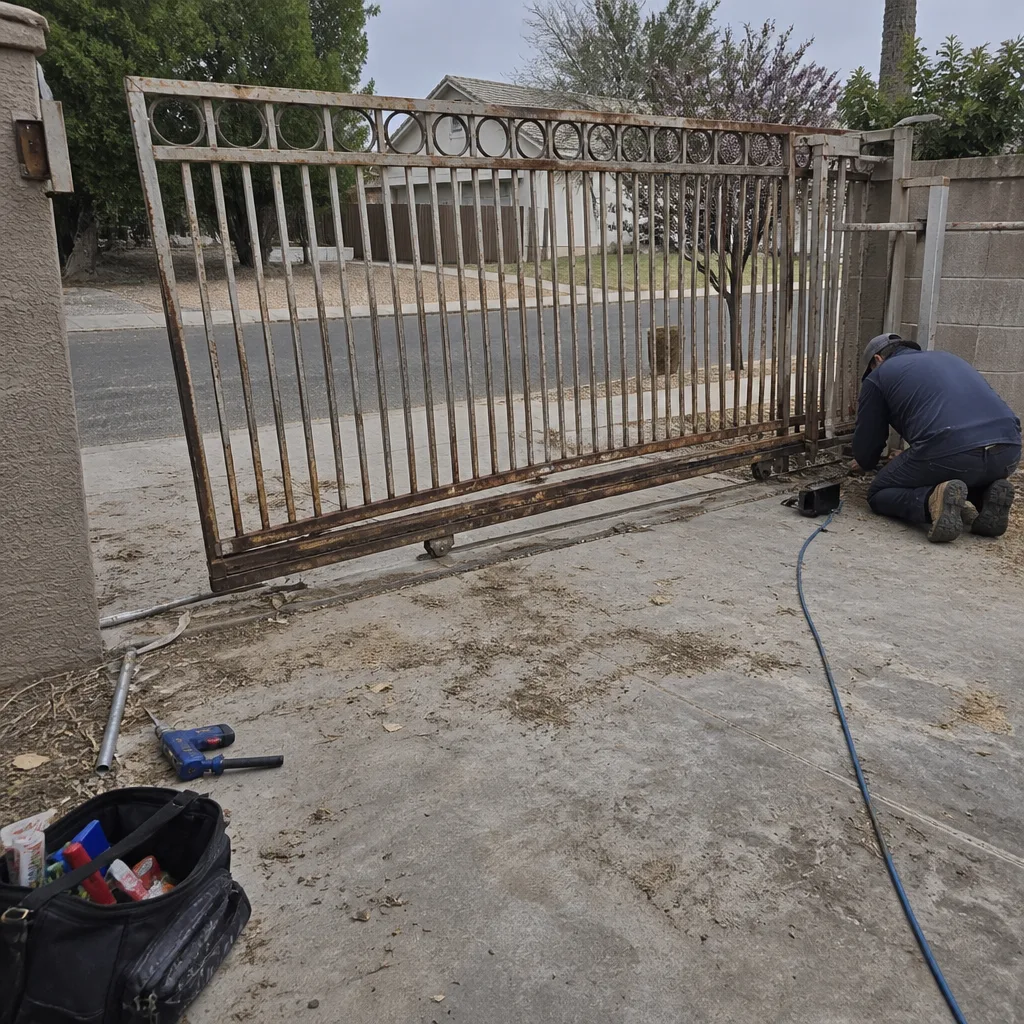 Before
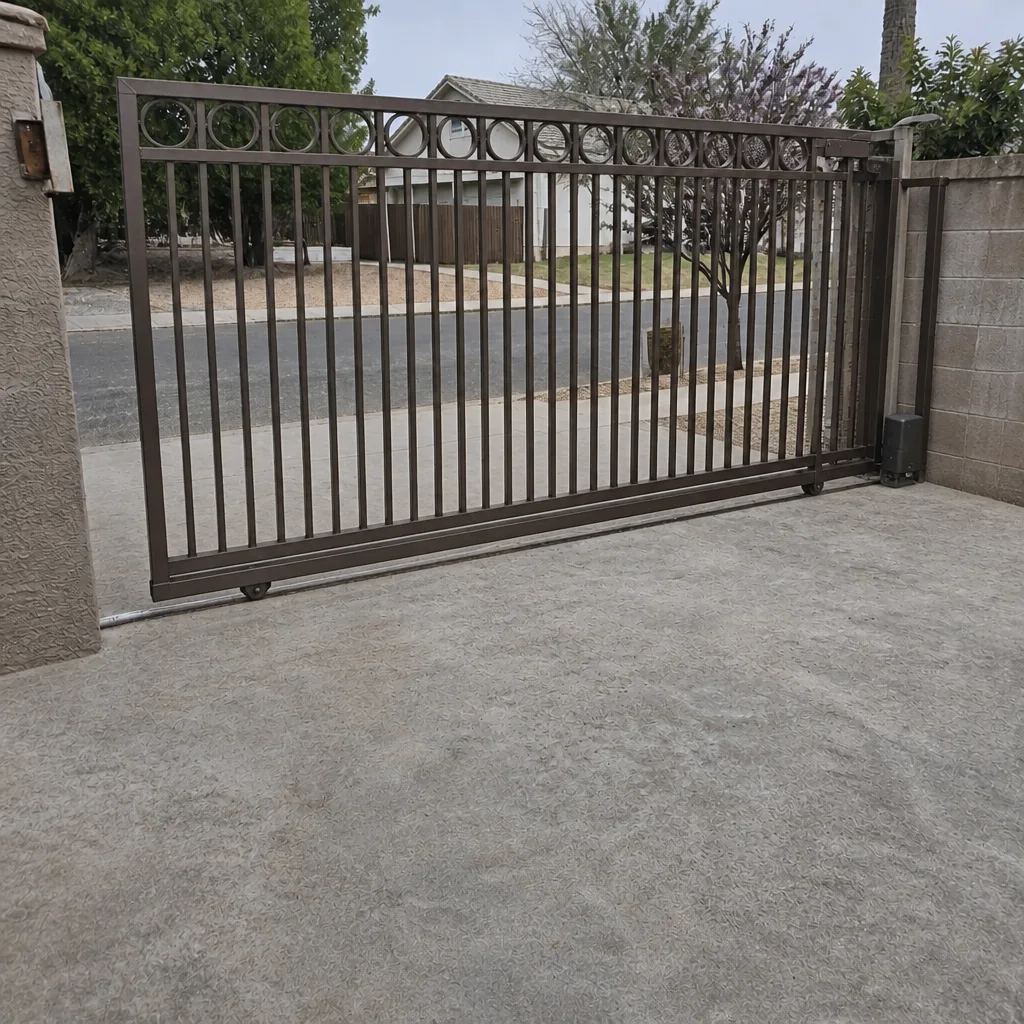 After
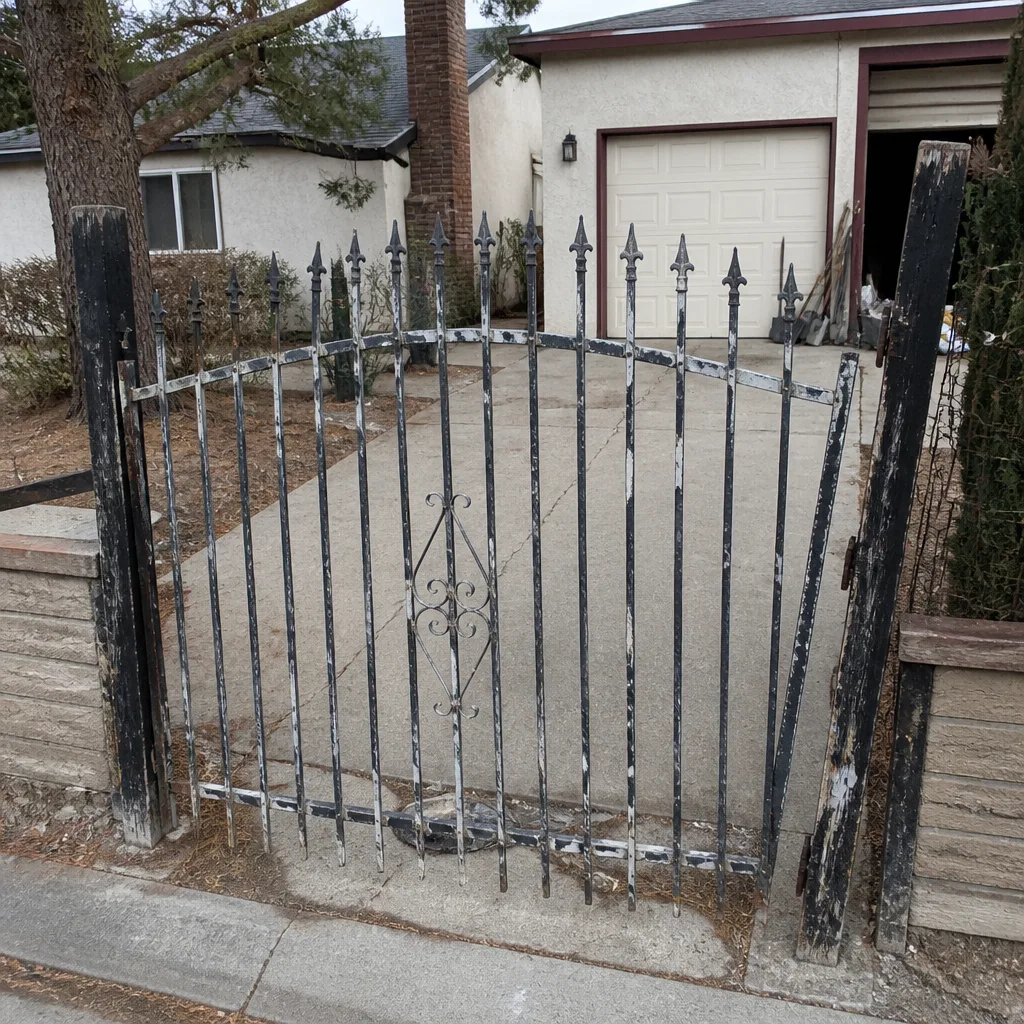 Before
 After
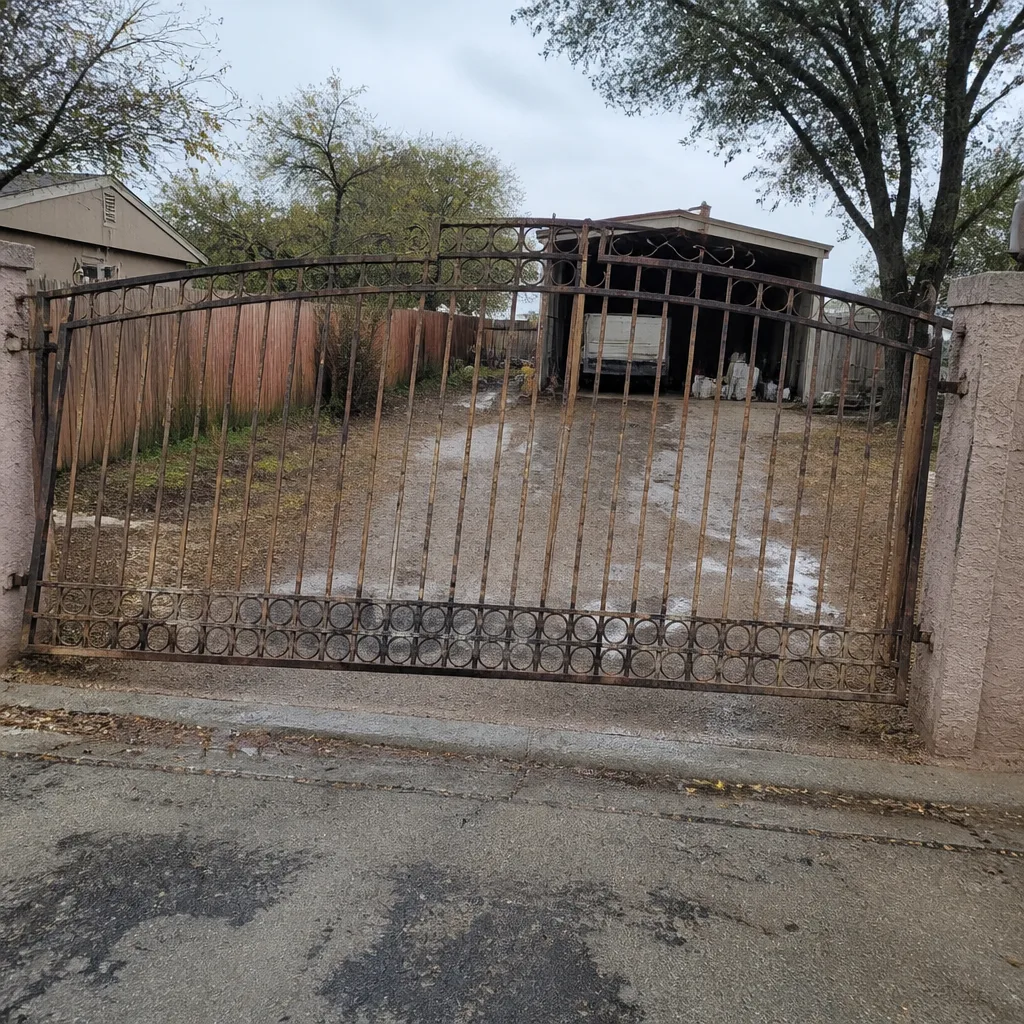 Before
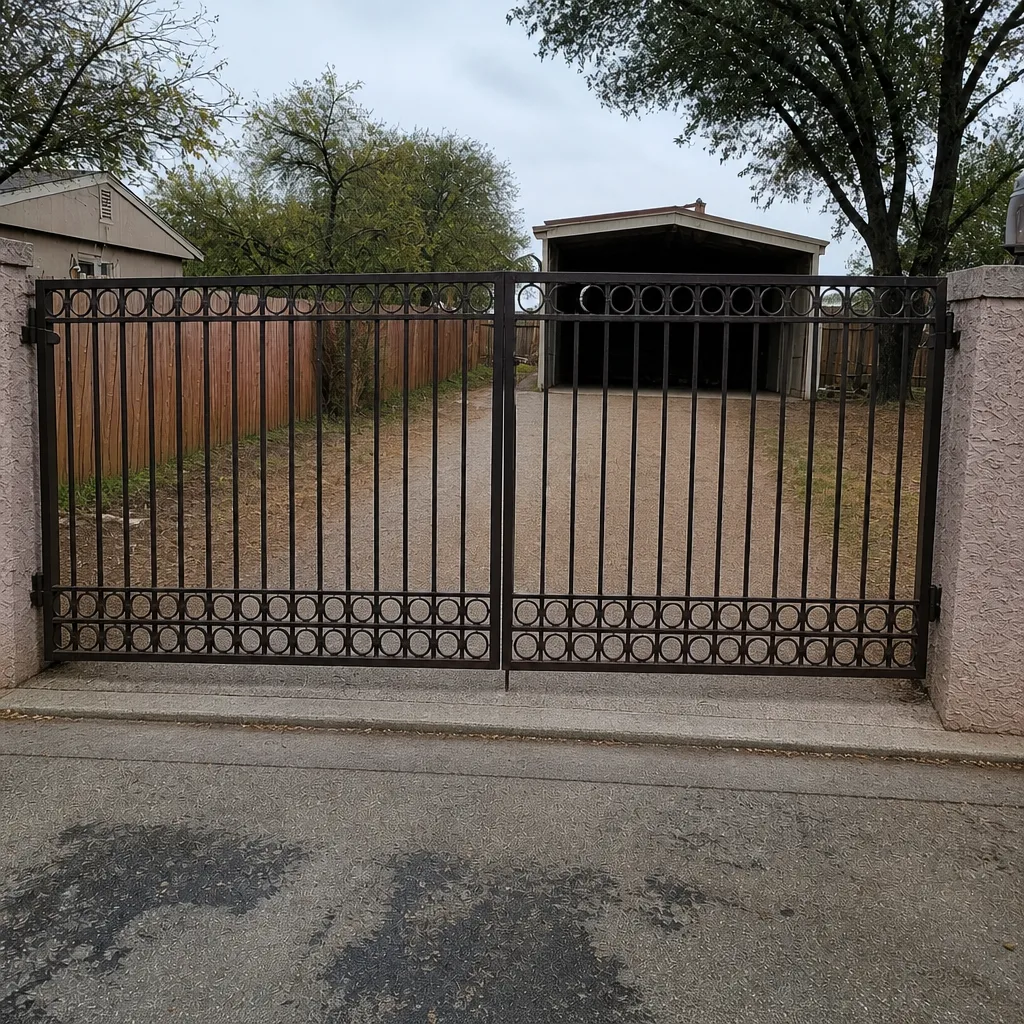 After
Frequently Asked Questions
The most common signs are a hesitation before movement, grinding at the hinges, a gate that reverses midway, and a remote that needs more than one press. Any of these on a Whitney gate is worth a diagnosis, because the desert heat and dust accelerate wear.
In most cases, yes. A hesitation or intermittent reversal is usually a capacitor, limit switch, or force-setting issue, and it can be diagnosed and repaired on a single visit. Call (855) 928-1304 and we’ll confirm what we expect based on your symptom.
Small adjustments and capacitor swaps typically run in the low hundreds, while motor or board replacements cost more and depend on the operator brand. What matters more than the range is that the price is quoted and agreed before a single bolt is turned, so the invoice matches the quote exactly. Call (855) 928-1304 for an exact quote – estimates are free.
The blink pattern on the control board tells you what the operator thinks is wrong: one flash usually means a limit switch fault, two flashes usually mean a safety edge or photo-eye fault, and three flashes usually mean a motor overload. Count the flashes and note the pattern, and bring it to the call.
Surface rust alone is not an emergency. Rust along a weld seam or at the bottom of a vertical tube is a different matter, because it means moisture is inside the frame. Have it inspected at your next service call rather than delaying past the season.
Yes. Our technicians are trained and equipped on nine major gate automation brands, including LiftMaster, FAAC, Elite, and Mighty Mule, so the correct fix is made on the first visit. If you’re not sure what brand is on your gate, we’ll identify it when we arrive.
The Bottom Line
A gate talks before it quits. The hesitation, the grind, the small rust line, the remote that needs a second press: each one is a specific message about a specific part. The only decision a Whitney homeowner has to make is whether to answer the message early, when the fix is small, or late, when the motor pays the price. Our advice, after years of field calls on desert gates: trust the small signs, write down the pattern, and book the fix before summer. It’s the cheapest way to keep a gate closing the way it did the day it was hung, and Ironworks Gate Co. Whitney stands behind every repair with the written 90-Day Done Right Promise.
Call Ironworks Gate Co. Whitney at (855) 928-1304 for a free estimate, an upfront price, and a repair done right the first time. Live person answers, 24 hours a day.
Written by the team at Ironworks Gate Co. Whitney.