
Last updated November 17, 2026
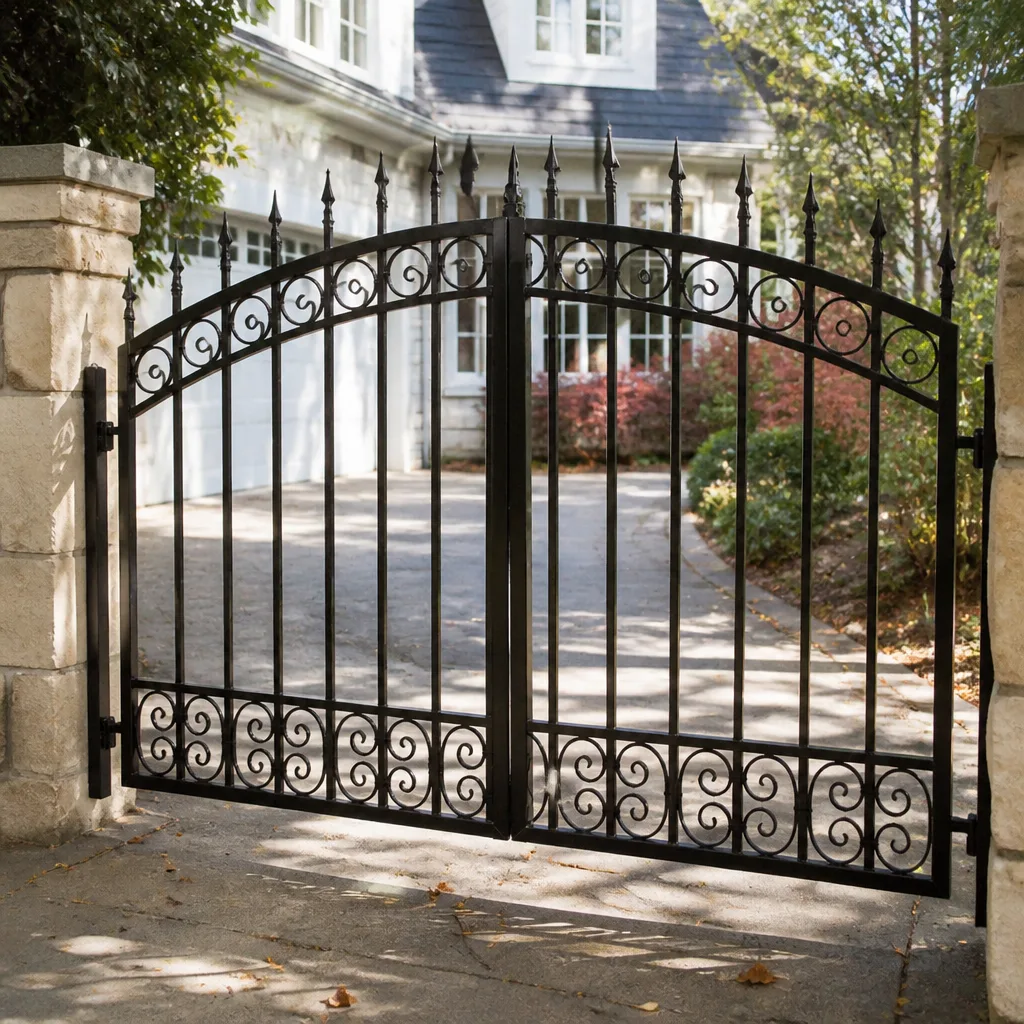 Wrought iron
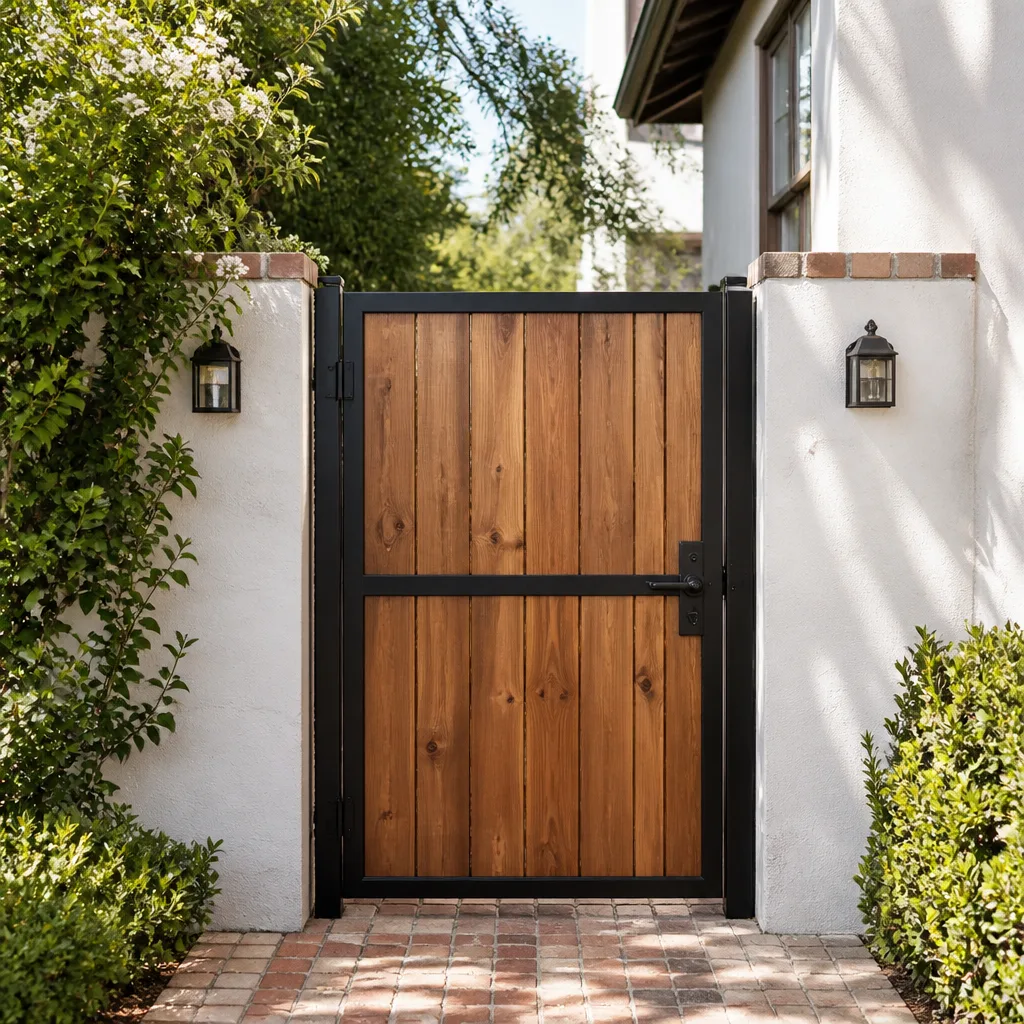 Wood & steel frame
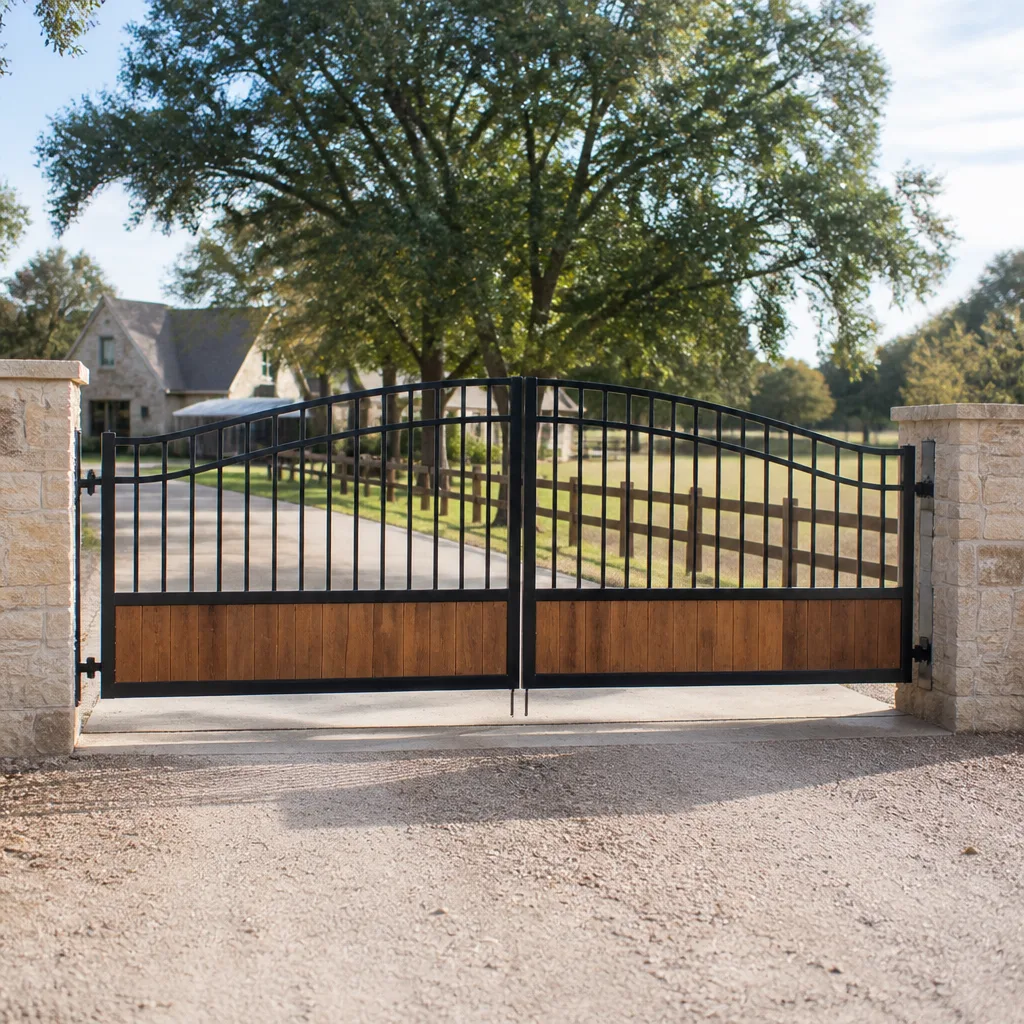 Farm & ranch
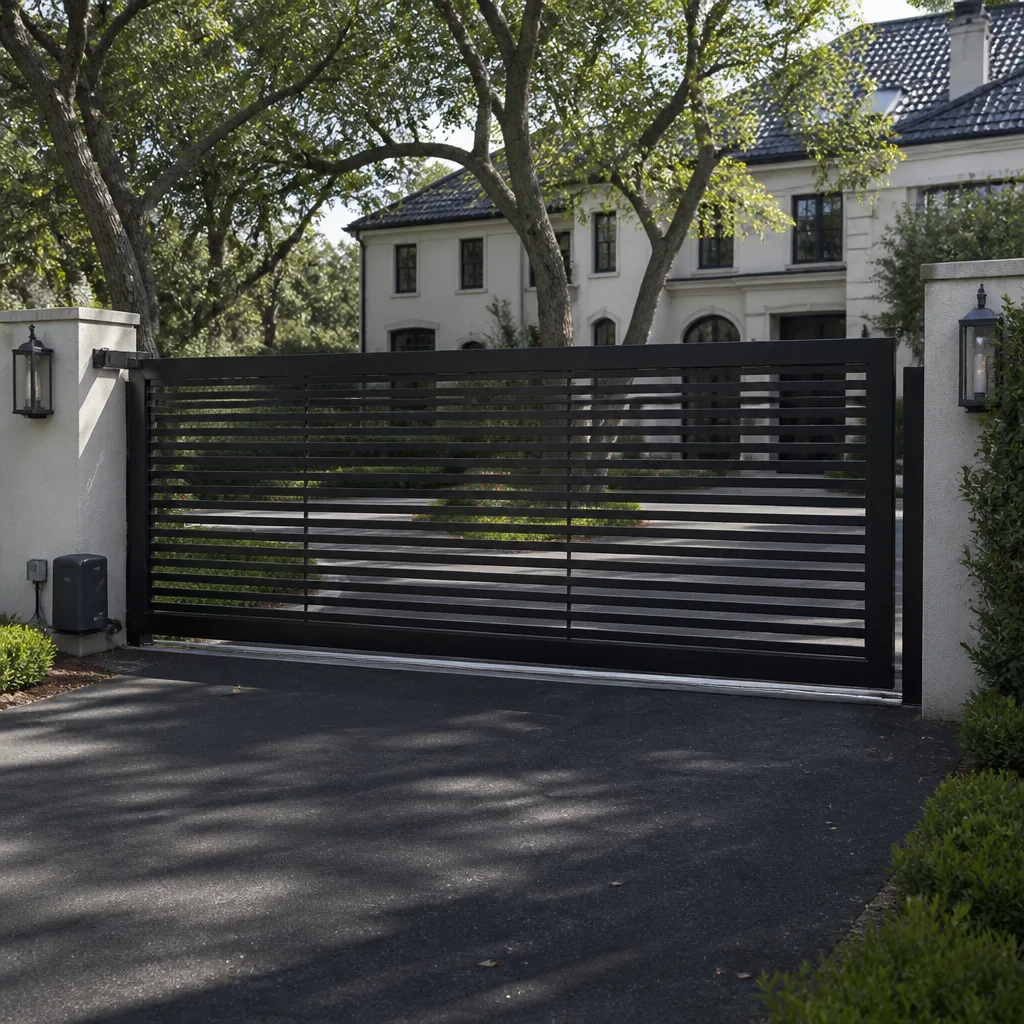 Sliding driveway gates
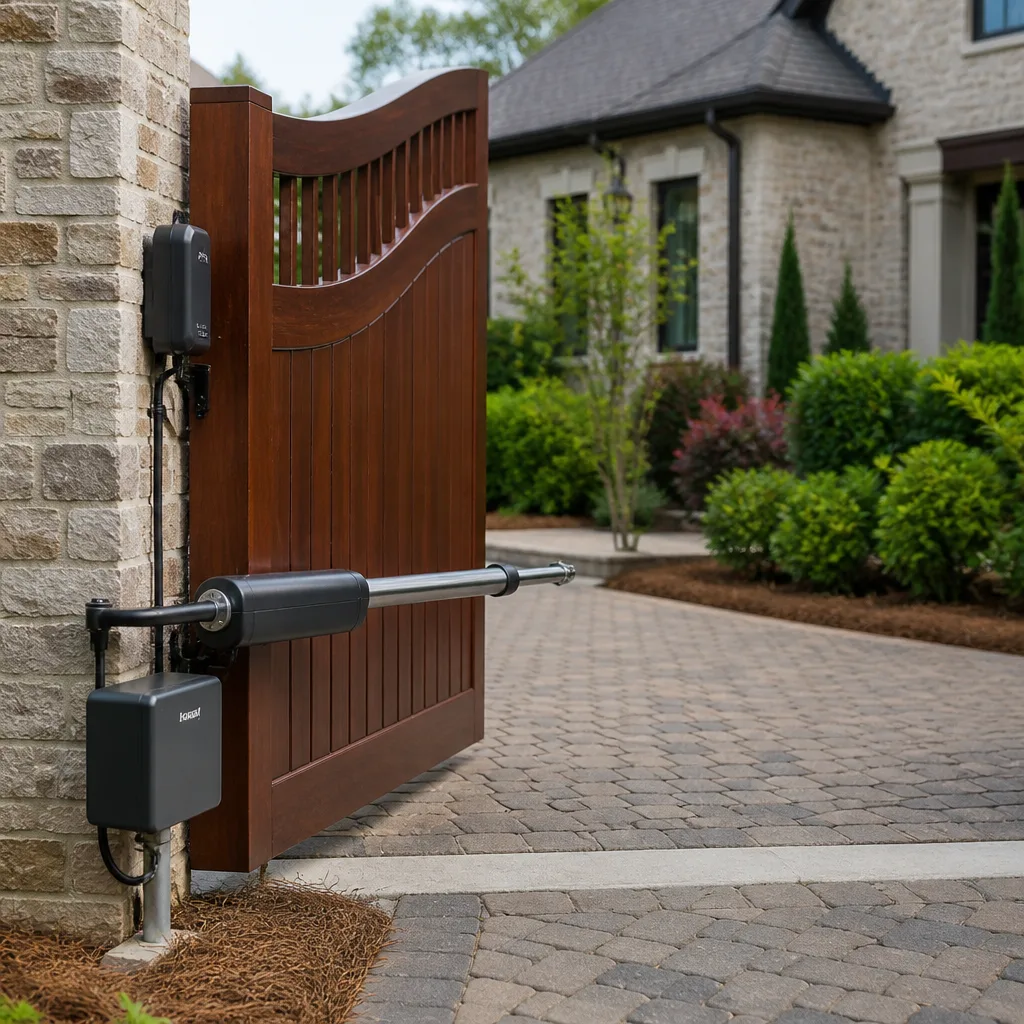 LiftMaster operators
Free on-site gate assessment - hinges, posts, and your LiftMaster or Nice gate operator checked before anything is quoted
The assessment is free and the quote is the invoice.
Get your free estimateSeasonal Gate Repair Care for Whitney: Year-Round Homeowner’s Guide
June in Whitney isn’t just hot. It’s the month a gate operator’s internal cabinet can push past its rated operating range even when the outside air reads 108°F in the shade, and the month most control boards quietly start to fail in ways you won’t notice until October. Here’s the part that surprises the homeowners we work with: our two worst stress windows – the pre-monsoon heat stretch and the July-to-September storm season – sit back to back. Twelve weeks of cumulative punishment that does more gate damage than the other ten months combined. What you’ll learn in this guide is how to prepare for those two events specifically, so most of your repair bills simply stop happening.
Quick Answer
Seasonal gate care in Whitney comes down to two jobs: getting your automated gate ready for sustained heat above 100°F before June, and inspecting conduit, safety loops, hinges and finishes after every monsoon storm. Homes that handle those two events and do a basic shoulder-season check in fall and spring spend far less on gate repair than homes that wait for something to fail. In our experience, a fall tune-up catches the heat damage before the first cool weekend of the year.
Styles & brands we work with
- Wrought iron
- Wood & steel frame
- Farm & ranch
- Sliding driveway gates
- LiftMaster operators
Table of Contents
- The Whitney Seasonal Gate Care Calendar
- Protecting Gate Operators from Sustained Heat Above 100°F
- What the Monsoon Does to Conduit, Safety Loops and Steel Finishes
- Why Mild Winters Create a False Sense of Security
- Post-Storm and Shoulder-Season Inspection Checklist
- What Seasonal Care Costs vs. What It Prevents
- Common Mistakes to Avoid
- Frequently Asked Questions
The Whitney Seasonal Gate Care Calendar
Whitney’s weather is not four equal chapters. It’s a long mild stretch, a brutal pre-monsoon heat build, and a storm season that rolls from summer into early fall. Build your gate care around that reality and the year largely takes care of itself.
- February to March. The quiet checkup window. Lube hinges and rollers, walk the line of the gate looking for sagging or stubborn travel, and get your operator serviced while the weather is calm and techs have room on the schedule.
- April to May. Pre-summer heat prep. Clear the operator cabinet of debris and rodent nests, confirm the shade or sun cover, check thermal cutoff settings, and test the safety edges before the first triple-digit week.
- June. Peak heat. Do a light weekly visual check of the operator housing and listen for a change in motor sound. Don’t run the gate open-close-open repeatedly on the hottest afternoons.
- July to September. Monsoon. After each significant storm, walk the gate line, check the safety loop and safety edges, and look for standing water at the conduit stub point.
- October to November. Post-storm inspection. This is when the heat and monsoon damage both surface. Fix what’s failing before winter.
- December to January. Mild-weather accountability. This is the window where deferred maintenance hides, so get an honest tune-up rather than waiting for a break.
In Whitney’s older single-family neighborhoods, most gates are steel or wrought-iron with a heavy automated operator on one side of the driveway. That geometry means the operator sits in the same sun all year. If it’s on an exposed east-facing gate, the morning heat builds to its worst by early afternoon – and that’s the thing to plan around.
Protecting Gate Operators from Sustained Heat Above 100°F
A gate operator is really a motor, a gearbox and a control board boxed in a metal cabinet. When the air outside is 108°F and the cabinet is in direct sun, the internal temperature can run well above that. Control boards are the first to suffer. They don’t usually die on the spot. They get strange – a gate that slows on the third open, a remote that fails intermittently, an arm that stops an inch short. By October the damage is done and the bill has already been decided. Here’s how to defend the operator:
- Ventilate the cabinet. Clear any manufacturer-supplied vents of dust, leaf litter and the nests that find their way in over winter. Never seal a vent to “keep out bugs” – that traps the heat.
- Respect the manufacturer’s shade and sun rating. Many operators are rated for a lower ambient air temperature than Whitney’s July afternoons produce. Check the spec sheet, and if the cabinet sits in all-day sun, add shade – a simple shade cloth or a shade structure over the operator post. Do not build a fully enclosed box around it.
- Confirm the thermal cutoff. Some LiftMaster and FAAC units have thermal protection that shuts the motor down when internal temperatures climb, which is good. If yours cycled off during the hottest week and then worked fine in October, that is the thermal cutoff doing its job – but it also means your duty cycle is set too aggressively, or the motor is underpowered for the gate.
- Adjust the duty cycle. Hot motors need more rest between cycles. A gate that’s asked to open and close fifty times over a long summer Saturday should be rated for it, and if it isn’t, we set the operator so it stops asking more than it can deliver.
- Don’t stack work on the hottest afternoons. Use the gate sparingly on a 110°F day, and let it rest between cycles.
One caveat we give every Whitney homeowner: anything that opens the operator cabinet or touches the motor and wiring is work for a trained technician, not a weekend project. A stock gate motor can deliver a serious shock, and a control board that’s opened and probed incorrectly can fail permanently. If the operator is hot, cycling off, or making a new sound, that’s a call. Our Gate Motor & Opener in Whitney team knows the nine common brands and can spot the problem in a single visit.
What the Monsoon Does to Conduit, Safety Loops and Steel Finishes
Monsoon rain in Whitney doesn’t just fall – it hits concrete that’s been baking since May, so most of it runs off and the rest soaks into the exact places gates don’t like. The underground side of a gate is the part nobody thinks about until it fails.
Here’s what to check after each significant storm:
- The conduit and junction point. The low-voltage wire that feeds your operator and keypad usually runs through underground conduit. Look for standing water at the conduit stub, water pooling along the gate line, or a keypad that fails after rain. Water in conduit shorted a keypad or a safety loop is one of the most common monsoon calls we get.
- The safety loop and safety edge sensors. Safety loops are sealed and buried, so you can’t inspect them directly. But a gate that suddenly closes on a car in the driveway, or refuses to close at all, can be a loop or a safety-edge sensor that filled with water. Have it tested rather than overridden.
- Steel frame finish. Steel gates and posts hate standing water at the base. Inspect the bottom rail and the base plate of each post for bubbling paint, rust bloom, or a cracked weld. A small spot now is a weld repair later. Our Gate Repair in Whitney work covers the weld, the hinge and the finish all in one visit.
- Hinges and gate alignment. Wet soil and heat expansion move posts, and a post that shifts a quarter inch throws off the whole gate. Check for a gate that’s started scraping the ground or dragging on one side after a storm.
- The driveway approach. A monsoon downpour can wash out the base around the gate post. A hollow base is a loose post, and a loose post is a gate that will not track properly for much longer.
If you can’t recall the last time your keypad or safety loop was checked, the monsoon is your cue. Bring in a technician after the season and let them test the whole electrical side rather than waiting for a fail.
Why Mild Winters Create a False Sense of Security
In colder climates, winter forces the issue. Ice on a track, frozen hinges, a snowed-in driveway – a homeowner can’t ignore those. Whitney doesn’t have that. Our winters are mild enough that a gate can pass a full winter looking and sounding completely fine while three separate problems are quietly getting worse.
That’s the trap. Heat fatigue on the operator’s motor and control board from June doesn’t heal over winter. Water that got into conduit in August is still in there in February. A hairline crack in the steel finish at the base plate will bloom into rust by spring. A hinge that picked up grit in a monsoon dust storm will wear faster every month it goes unlubed. The mild winter gives the homeowner no prompt to look – so the failure arrives in the year’s first heat wave with no warning, and the bill has had twelve months to grow.
The fix is a winter tune-up, not because winter is hard on the gate, but because it’s the last quiet window before the destructive stretch. A late fall or early winter inspection in Whitney catches a surprising amount: we’ve walked gates in Whitney in January that seemed fine but had a control board already on its way out from the previous June.
The other winter issue is gate travel and alignment. Our mild winters don’t freeze the ground but they do wet it, and a post that shifts half an inch in January is a gate that drags on the concrete in June. If a gate is starting to scrape, that’s worth an expert look before you decide to force it – forcing a manual gate through a misaligned track can bend the hinge or the operator arm.
Post-Storm and Shoulder-Season Inspection Checklist
This is the list we run ourselves. It’s a real inspection, not a do-it-yourself repair job, but you can walk it to know when to call:
- Operator cabinet. Free of debris, vented, shaded if possible, no loose panel.
- Motor sound. Steady hum, no grinding, no click-then-nothing.
- Control board and keypad. Remote responds cleanly, no intermittent failure.
- Safety edges and safety loop. Tested and functioning; never left disabled.
- Hinges and rollers. Lubricated, smooth travel, no squeal.
- Welds. No rust bloom, no crack at the hinges or the base plate.
- Gate alignment. No scraping, no dragging, opens and closes to the same spot every time.
- Conduit and base plates. No water pooling, no hollow post, no bubbling paint at the base.
If half the list reads fine and the other half has you guessing, that’s a free second-opinion situation. Any written estimate from another gate company is worth a free second look from us. We’d rather spend fifteen minutes confirming a competitor’s quote than have a homeowner pay for a repair they didn’t need. The same applies if you’re considering a full replacement – our Gate Installation in Whitney approach starts with a measured, unhurried assessment, not a sales pitch.
For homeowners on any of the common brands, from Mighty Mule to Elite, the seasonal check matters because the correct fix is usually small. Seasonal tune-ups keep small fixes small.
What Seasonal Care Costs vs. What It Prevents
Here’s the honest math. A seasonal tune-up or inspection is a fraction of what a full repair costs, and a single late-summer gate failure will set you back the price of several years of tune-ups. This is where the money goes:
- Seasonal tune-up and inspection: our standing $89 Seasonal Tune-Up covers lubrication, operator check, safety-edge testing, alignment and finish inspection.
- Heat-failed control board: a common repair, well past the tune-up price, plus a possible same-day dispatch call.
- Water-damaged keypad or safety loop: a repair plus diagnostic time, often after a monsoon short.
- Weld and hinge repair from a shifted or loose post: a structural repair, not a tune-up.
- Full operator replacement: the biggest bill on the list, and the one a pre-summer check most reliably avoids.
Every repair we do is quoted and agreed before a single bolt is turned. No surprises on the bill. And if you’re comparing written estimates from other gate companies, our free second opinion is a square deal – we tell you what we’d do, and if the other quote is right, we say so. On repairs over $250, we stand behind the work with $50 off, and seniors and veterans always get 5% off. None of those offers get stacked into a surprise at checkout; they’re on the table before we start.
We see the same pattern in Whitney season after season: the homes that fail in August are almost always the homes that skipped the May check. A written 90-Day Done Right Promise on every repair means that when we say the fix is right, we’re willing to be called on it. If it isn’t right, we come back and make it right, every time.
Common Mistakes to Avoid
- Waiting for a failure before calling anyone. A gate that’s still opening is still opening – until it isn’t. Monthly sounds and weekly visual checks are how you find problems before they become repairs.
- Sealing the operator cabinet to keep bugs out. That traps heat. In a Whitney summer, a sealed cabinet can run well past the motor’s safe range. Vents stay clear.
- Overriding a safety edge or loop because the gate won’t close. That sensor is the reason the gate won’t close – and the reason it won’t close on a person. Test it, don’t tape over it.
- Skipping the post-monsoon inspection. Water in conduit, a shorted keypad, a hollow gate post – all monsoon byproducts, none obvious until they fail. The weeks after the last storm are the cheapest repair window of the year.
- Assuming a mild winter means nothing to check. A Whitney winter hides the damage from the previous June. Fall is when heat and monsoon problems surface, so that’s when to catch them.
- Greasing hinges with the wrong product, or not at all. The wrong lubricant attracts grit that wears faster than a dry hinge. The right product is a small job done on schedule.
- Mixing a general handyman’s fix with a gate repair. A gate operator carries real electrical load, and a weld at a hinge is load-bearing steel. That’s a technician’s job, and a proper fix on the first visit beats three tries by three different people.
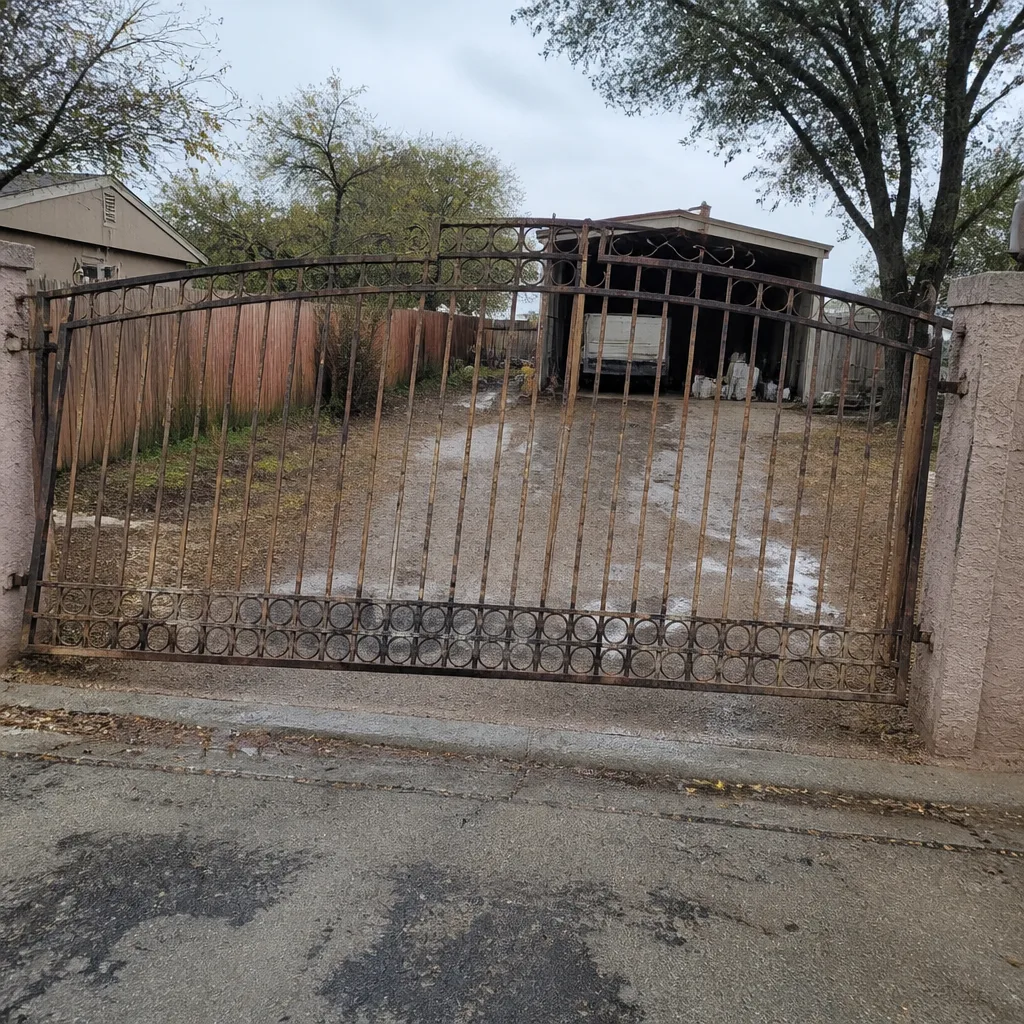
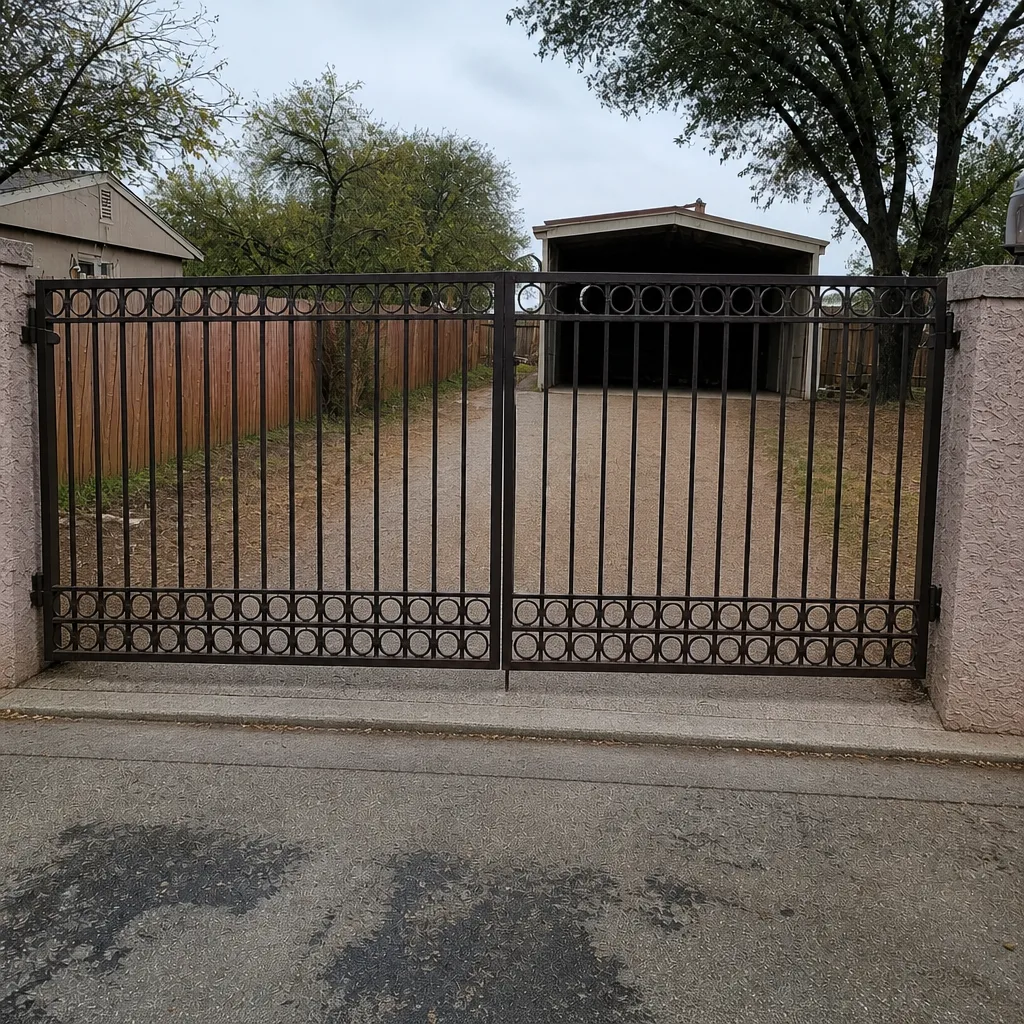
See the difference
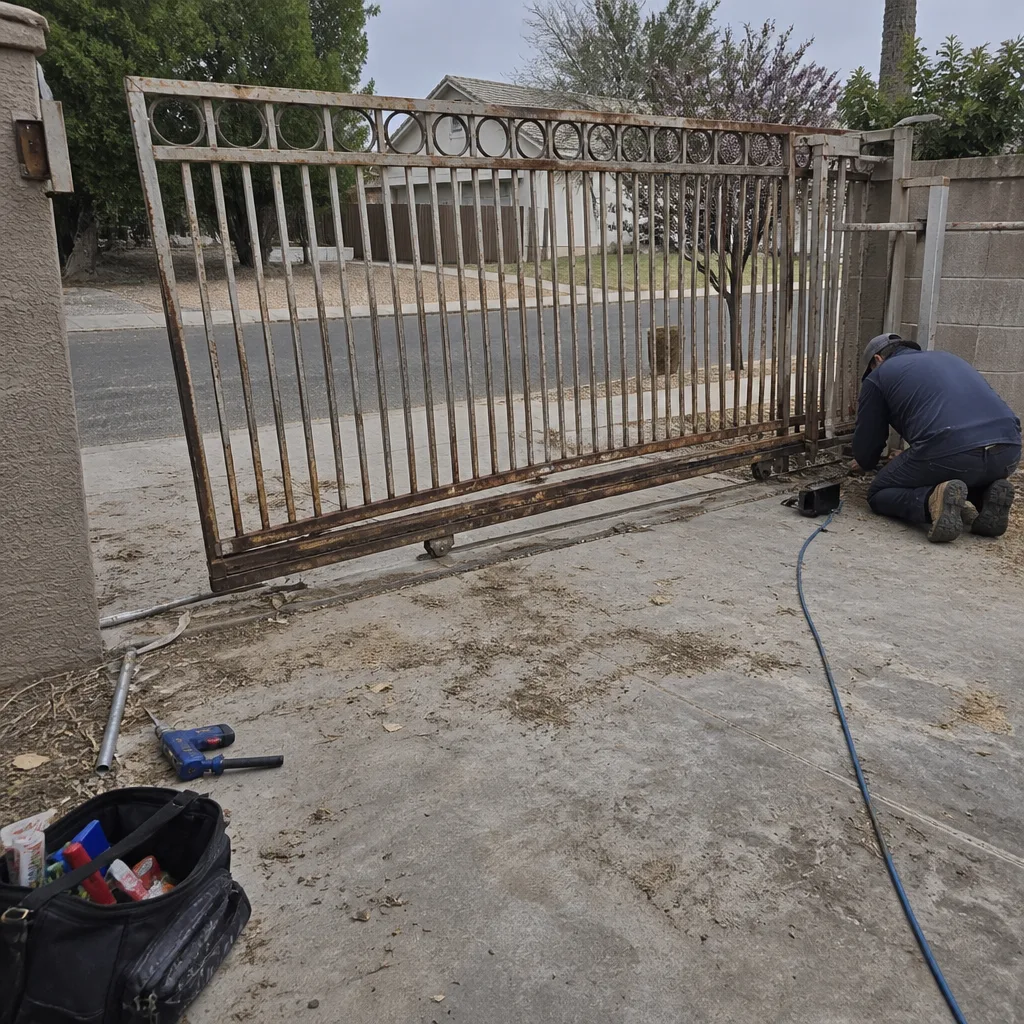 Before
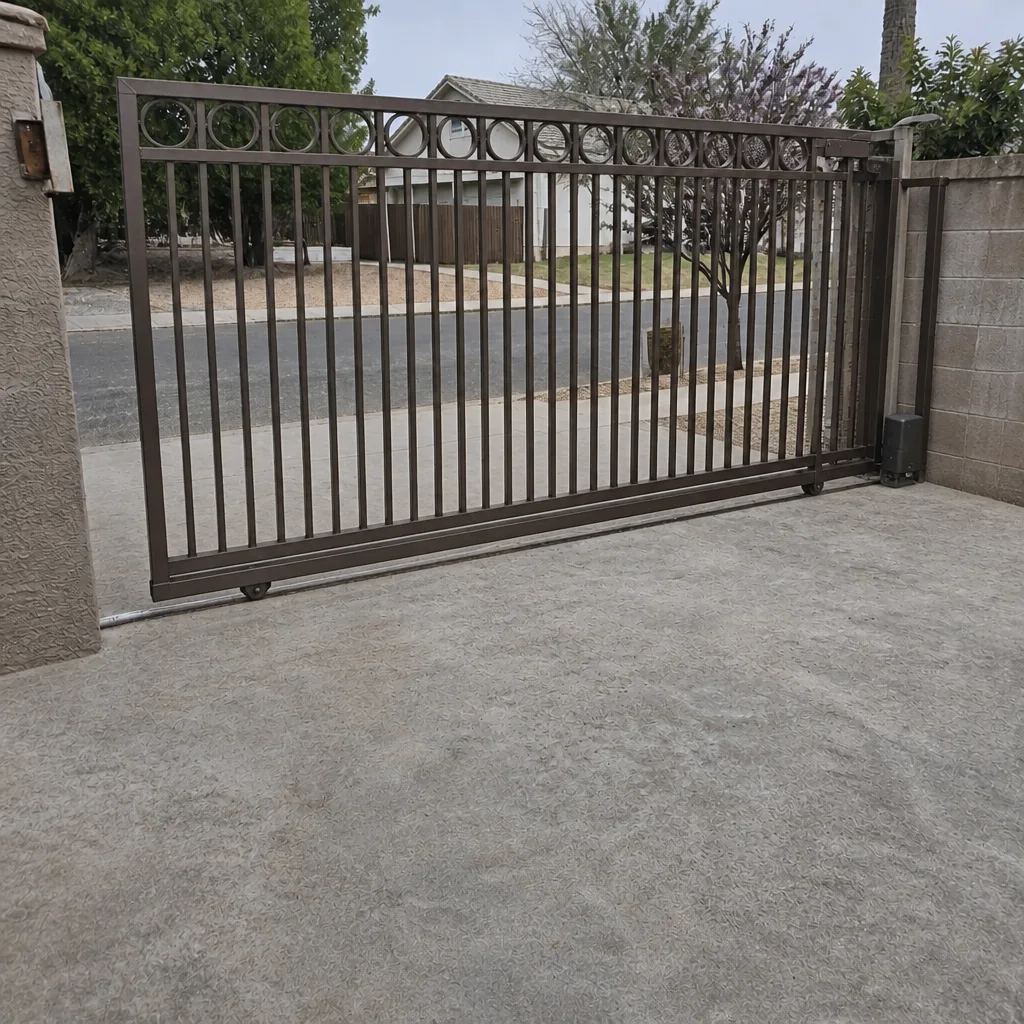 After
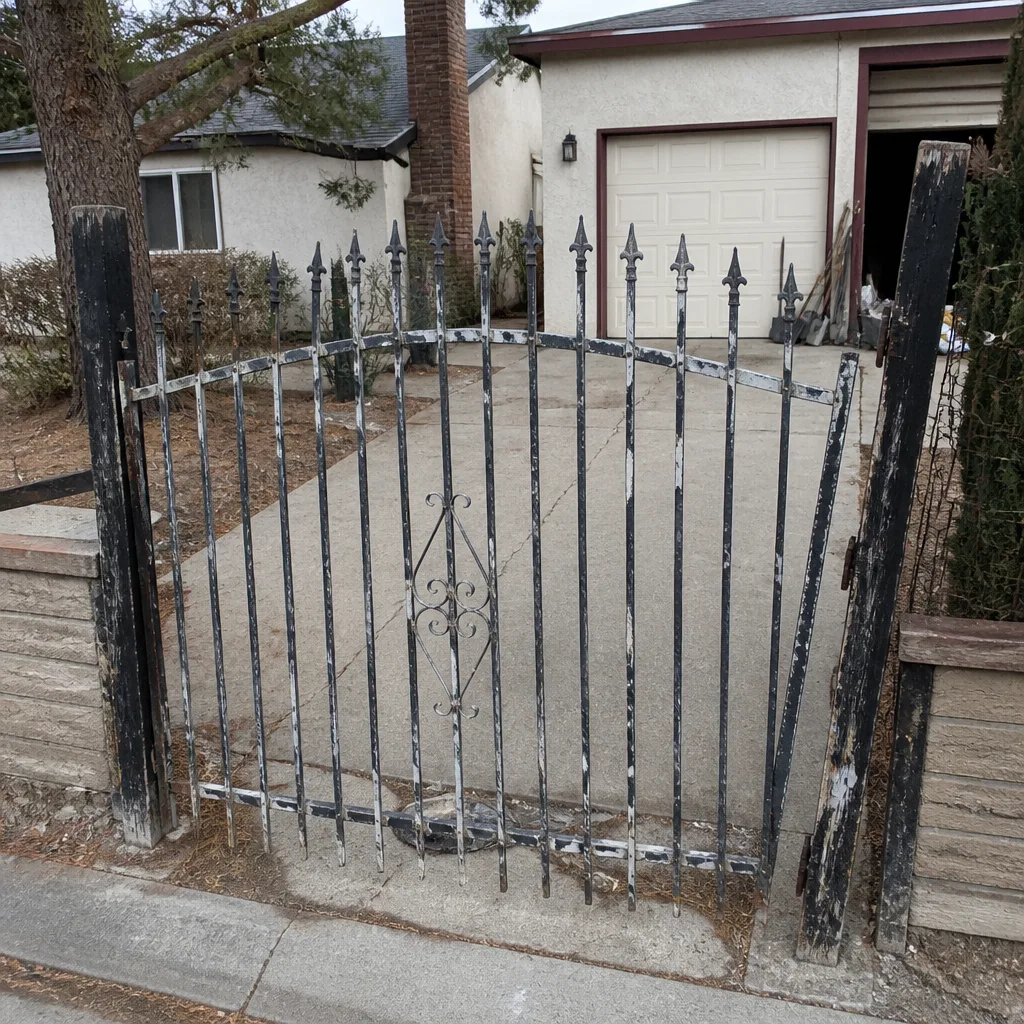 Before
 After
 Before
 After
When to Call a Professional
Call a gate specialist when the operator cabinet is hot to the touch, when the motor cycles off on its own, when you smell burning or hear grinding, when a post has visibly shifted after a storm, when water is pooling at the conduit stub, when a keypad fails in wet weather, or when a safety edge or safety loop doesn’t respond to a test. Those aren’t tune-up items – they’re real repairs, and a technician should see them. The gate’s underground wiring, the operator’s high-voltage feed and the welds that hold the gate up are the things to leave to a trained technician. Ironworks Gate Co. Whitney offers free estimates in Whitney – call (855) 928-1304. A live person answers 24 hours a day, 7 days a week, and every repair is covered by the written 90-Day Done Right Promise.
Frequently Asked Questions
Seasonal gate care in Whitney is a twice-a-year inspection and tune-up built around two damaging events: the pre-monsoon heat stretch and the storm season itself. Timing matters because Whitney’s summers are what actually break gates. Most of our repair calls trace back to damage that started in June or July and surfaced in October. Call (855) 928-1304 for an exact schedule quote – estimates are free.
It depends on the brand and model, but most residential gate operators are rated for an ambient operating range well below the internal cabinet temperature a Whitney summer can produce. A metal cabinet in direct sun on a 110°F day can run noticeably hotter than the air around it, and control boards fail first. Check your spec sheet for the rated range, and if the operator is cycling off on hot afternoons, have a technician review the thermal cutoff and duty cycle settings. Call (855) 928-1304 for a free estimate.
After a significant monsoon storm in Whitney, check five things: standing water at the conduit stub, a keypad that fails in wet weather, a gate that won’t close because a safety edge or loop is water-damaged, rust bloom or a crack at the base plate and hinges, and a post that looks shifted or a gate that now scrapes the ground. Anything on that list is worth a technician’s look, not a homeowner fix. Call (855) 928-1304 for a free estimate.
You can do the light side safely: visual checks of the cabinet and finish, keeping vents clear, and lubricating accessible hinges with the correct product. Anything involving the operator’s internal cabinet, the motor wiring, the safety loop, the safety edges, or a load-bearing weld is a technician’s job. Those carry real electrical and structural risk. Call (855) 928-1304 for a free estimate.
Twice a year is the right baseline in Whitney: once in late spring before the heat stretches, and once in the fall after the storm season. That schedule catches the heat damage before it becomes a repair and the monsoon damage before it becomes a failure. Homes with heavy gate use, or with an operator that’s already been cycling off in the heat, may need an extra visit. Call (855) 928-1304 for a free estimate.
No. Whitney’s mild winters are exactly why seasonal care matters – the damage from June and July doesn’t show up until fall, and the mild winter hides it. A gate that looks fine in January can be one hot spell away from a failed control board. Use the winter as the quiet window to inspect and fix, rather than waiting for the first heat wave. Call (855) 928-1304 for a free estimate.
The Bottom Line
Whitney’s gate damage is concentrated in two back-to-back windows: the pre-monsoon heat stretch and the storm season. Prepare the operator before June (ventilation, shade, thermal cutoff, duty cycle), inspect the underground and steel side after every significant storm (conduit, keypad, safety loop, hinges, welds, base plates), and use the quiet shoulder seasons for the real tune-ups. A mild winter is not an all-clear – it’s the last best chance to catch damage the summer caused. Homeowners who plan for those two seasons spend far less on gate repair than homeowners who wait for a failure. Ironworks Gate Co. Whitney has the crew and the training to do this correctly on nine common automation brands, with upfront pricing settled before any work begins and a written 90-Day Done Right Promise behind every job.
If you want an honest look at your gate before the next heat wave, start with a free estimate or the $89 Seasonal Tune-Up, and keep our Ironworks Gate Co. Whitney home page handy for the rest of the year. Call (855) 928-1304 for a free estimate – a live person answers, 24 hours a day, 7 days a week. We’d rather talk you out of a repair you don’t need than sell you one you don’t.
Written by the team at Ironworks Gate Co. Whitney.