
Last updated November 17, 2026
 Wrought iron
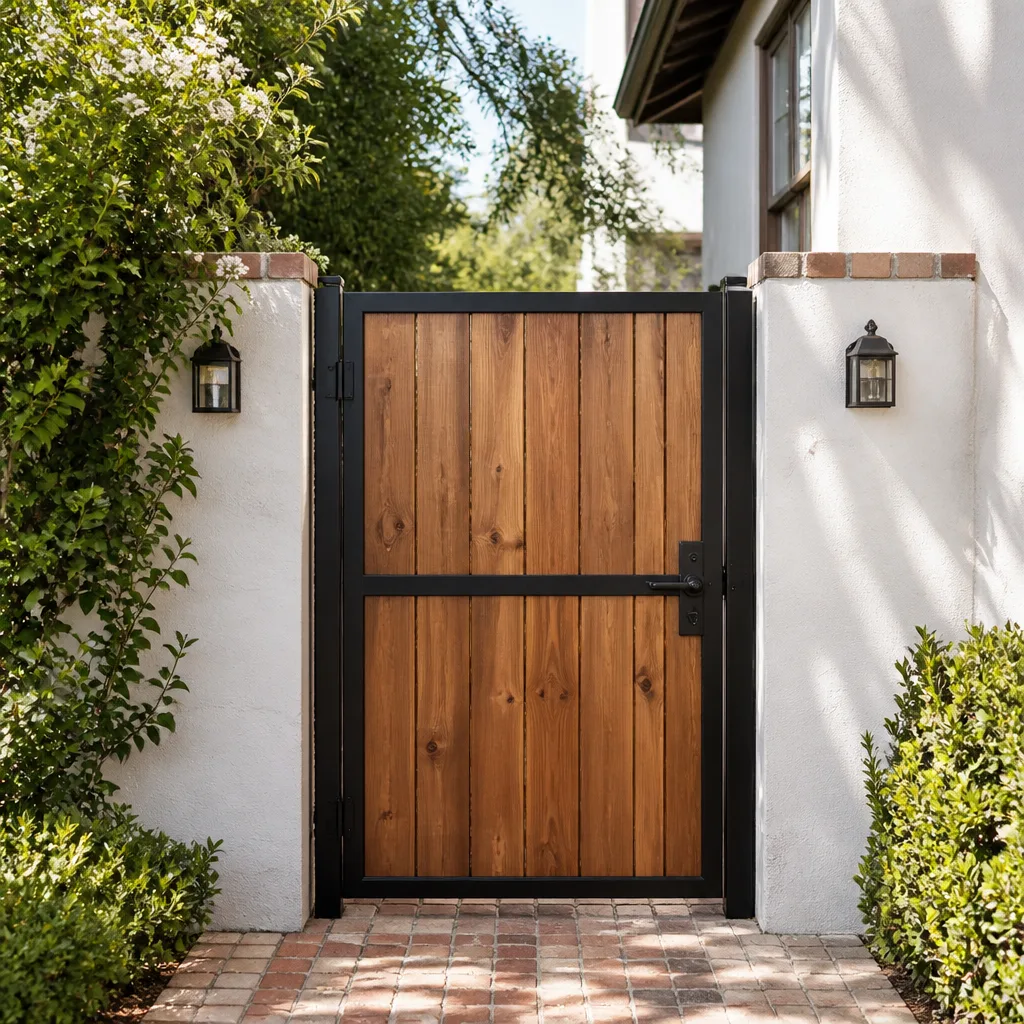 Wood & steel frame
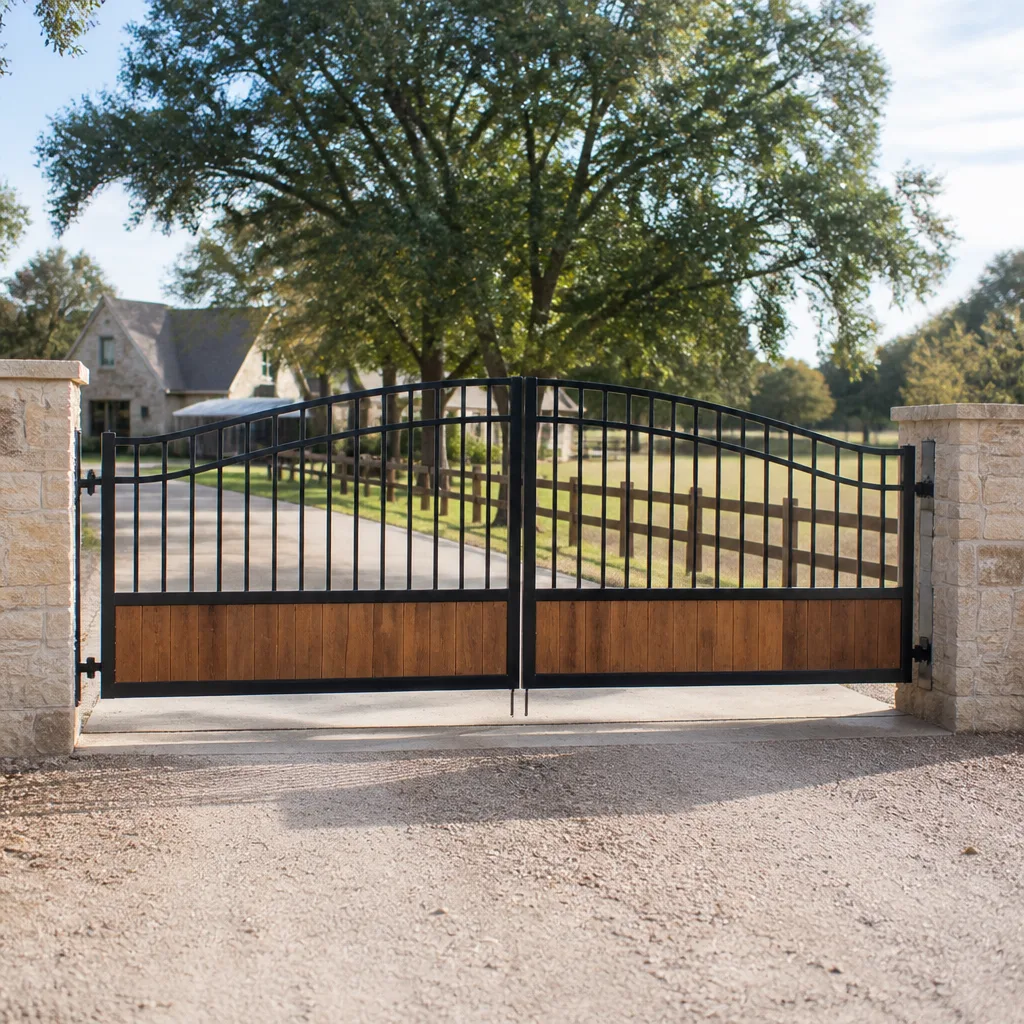 Farm & ranch
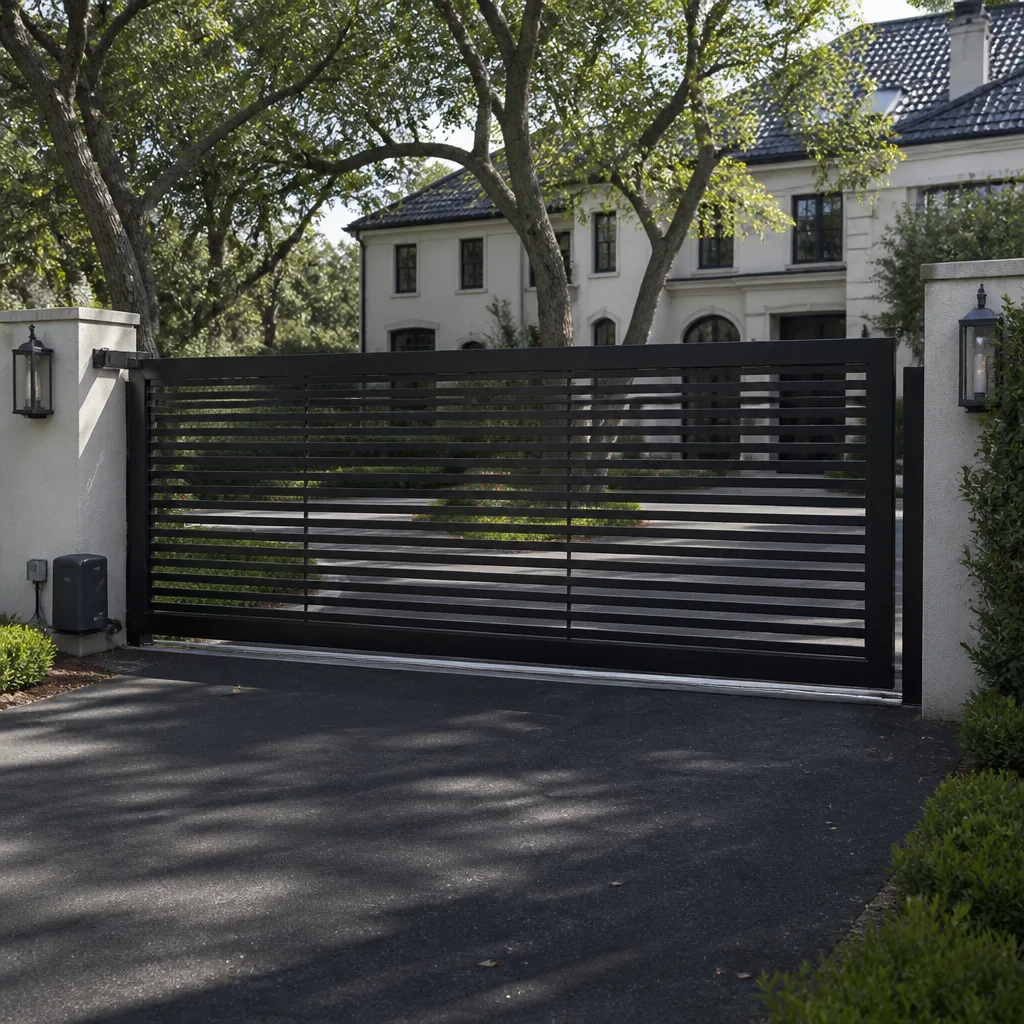 Sliding driveway gates
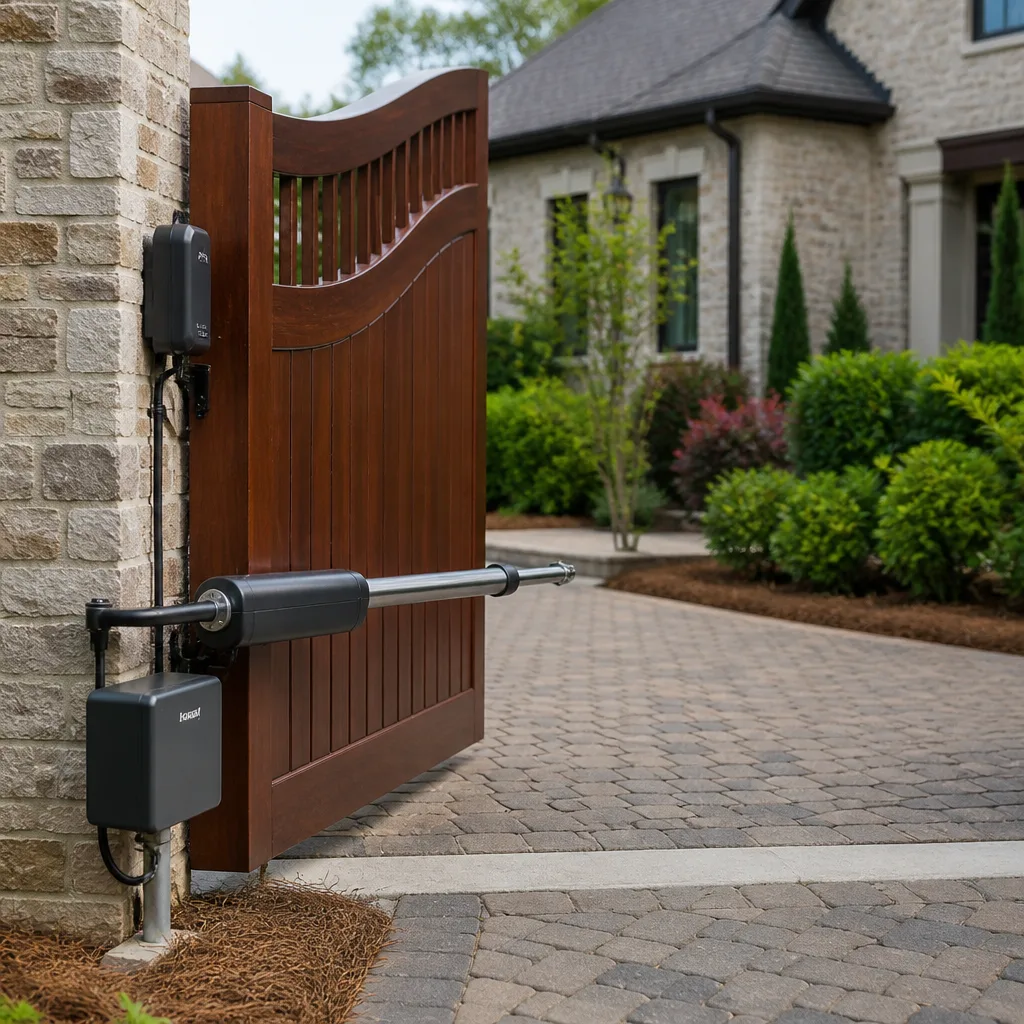 LiftMaster operators
Free on-site gate assessment - hinges, posts, and your LiftMaster or Nice gate operator checked before anything is quoted
The assessment is free and the quote is the invoice.
Get your free estimateGate Installation Maintenance Schedule: What to Do and When
Most gate warranties require documented maintenance to remain valid, and most homeowners find that out for the first time when they file a claim. The first year after a gate goes in is the riskiest stretch of its life, not because the hardware is failing, but because the ground underneath it is still moving. In Whitney, where caliche-heavy soil and summer heat work on a new post from day one, that settling shows up fast. This guide lays out exactly what to check at 30 days, 90 days, and 12 months, which tasks keep your opener warranty alive, and what a gate really costs to maintain over ten years by type.
Quick Answer
A new gate needs three scheduled checks in its first year: a 30-day settling inspection, a 90-day hardware and alignment pass, and a 12-month full service. After that, plan on professional service once a year and a light homeowner check every season. Document each visit in a maintenance log. Skipping the first-year checks is the single most common reason gates drift out of alignment and warranties get denied.
Styles & brands we work with
- Wrought iron
- Wood & steel frame
- Farm & ranch
- Sliding driveway gates
- LiftMaster operators
Table of Contents
- The First-Year Maintenance Timeline
- What Keeps Your Warranty Valid
- The Adjustment Points That Drift (and How to Check Them)
- Building a Maintenance Log That Travels With the Property
- Whitney Seasons and Your Gate
- Long-Term Maintenance Costs by Gate Type
- Common Mistakes to Avoid
- When to Call a Professional
The First-Year Maintenance Timeline
The year after installation is when a gate is most likely to need adjustment, and it has nothing to do with the quality of the build. A freshly set post sits in soil that has just been disturbed. Water, heat, and the gate’s own weight move that soil over the first twelve months. The gate follows. If a technician catches that movement early, it’s a fifteen-minute adjustment. If it’s left alone, the gate drags, the hinges wear unevenly, and the frame can twist out of true in a way no adjustment fixes.
Here’s the timeline we recommend for every new gate, whether it’s a swing gate on a residential driveway or a slide gate on a larger Whitney property.
- Day 30: Check post plumb and gate level. Confirm the latch still catches cleanly. Test the opener’s travel limits. Look for any new gaps at the post bases.
- Day 90: Re-check alignment, then tighten all hardware (hinge bolts, bracket bolts, operator mounts). Lubricate hinges and the operator arm. Test safety edges and the photo-eye. Inspect for rust at weld points.
- Month 12: Full professional service. This is the visit that qualifies for most warranty coverage. Check the operator’s battery backup, cycle count, and force settings. Grease the track on a slide gate. Inspect the foundation for cracking.
After year one, the schedule relaxes to once a year for professional service. That 12-month cadence is what most opener manufacturers list as the minimum for warranty compliance.
What Keeps Your Warranty Valid
An opener warranty is a conditional document. It doesn’t cover wear, and it doesn’t cover damage that a maintenance record could have prevented. What it usually does require is proof that the operator was serviced according to the manufacturer’s schedule. When you’re installing a FAAC, BFT, or Linear operator, the paperwork that comes with it will list a service interval. That interval is not a suggestion.
Here’s what actually preserves coverage across the brands we service:
- Dated service records. A log with dates, tasks, and technician notes. A verbal “I had it looked at” carries no weight in a claim.
- Genuine or approved parts. An aftermarket board or a mismatched remote can void coverage on the affected components.
- Correct force and travel settings. These get bumped during DIY adjustments. If the operator was over-forced to compensate for a dragging gate, the manufacturer can point to that as the cause of a motor failure.
- Safety device testing. Photo-eyes and safety edges must be tested at each service. A failed edge test is one of the fastest ways a claim gets denied.
When we install or service a gate in Whitney, we leave the customer with a written record of exactly what was checked. That record is the reason a warranty claim goes through instead of getting argued about.
The Adjustment Points That Drift (and How to Check Them)
You don’t need specialty tools to spot the early signs of drift. You need a level, a wrench, and about ten minutes. Here’s what to check, and what a change means.
The five points that move first
- Post plumb. Hold a level against the hinge post. A slight lean toward the gate is normal settling. A lean in either direction over about a quarter inch across the post height means it needs attention.
- Gate level at the latch. Set a level on the top rail near the latch. If the far end has dropped, the gate is sagging on its hinges.
- Hinge bolts. Wiggle the gate gently at the hinge. Any movement between the gate and post means a loose bolt or a worn bushing.
- The gap at the latch and stop. On a new install, that gap is even. If one side is closing tight and the other has opened up, the gate has shifted.
- Operator travel. Run the gate fully open and fully closed. Listen for the motor straining at either end. A change in the sound means the limits drifted with the gate.
On a slide gate, add the track to that list. A track that has bowed or sunk is almost always a foundation issue, not a track issue, and it’s the one drift most homeowners can’t fix themselves.
If you spot any of these, especially a sagging hinge or a strained operator, don’t force the gate. Call us for gate repair in Whitney and we’ll get it adjusted before it turns into a bigger repair.
Building a Maintenance Log That Travels With the Property
A gate maintenance log is a simple document, and it does two jobs. It satisfies the warranty on your opener, and it tells the next technician (or the next owner) what this specific gate has been through. A gate with a clean log is worth more at resale because the buyer knows what they’re getting.
Here’s what to record for each entry:
- Date and the odometer-style cycle count if your operator tracks one.
- What was checked (alignment, hardware torque, lubrication, safety devices, battery backup).
- What was adjusted or replaced, and by whom.
- Any notes about the ground around the posts, cracking, or drainage.
Keep the log somewhere a future owner will find it, or store it with the property documents. If you’d rather not keep paper, a folder of service invoices works. We recommend a one-page log hung inside the operator housing cover for slide gates, where any technician will see it on the first visit. And if you sell the house, the log goes with the gate, not with you.
Whitney Seasons and Your Gate
Gate maintenance in Whitney follows the weather, and the weather is not gentle. Summer heat bakes the operator housing and drives expansion at the gate frame. The ground swings between dry and cracked and wet after monsoon rain. That cycle is what accelerates settling in the first year and what stresses the foundation in later years.
What to watch by season:
- Spring: Check post bases for new gaps as the soil dries after winter moisture. This is the best time for the annual service so the gate is set for the summer.
- Summer: Listen for the operator running hotter or straining. Heat is hard on motors, batteries, and control boards. Keep the operator shaded where possible.
- Monsoon season: Watch drainage around the posts and the slide-gate track. Standing water softens the soil and can move a foundation. Test the safety edges after any major rain.
- Fall and winter: The coolest stretch is the most reliable time for adjustments and parts. If your gate has been hesitating, this is the window to fix it.
You can see the full range of what we service on our gate motor & opener in Whitney page, including operator setup and battery backup.
Long-Term Maintenance Costs by Gate Type
What you’ll spend over ten years depends on the gate type, operator, and how faithfully the schedule is kept. These are planning ranges, not quotes. A neglected gate costs more than a maintained one because small adjustments become structural repairs.
Swing gates
- Annual service and lubrication: modest yearly cost.
- Hinge replacement (typically every 7-10 years): mid-range repair.
- Operator arm or motor service: occasional, usually on a 7-10 year cycle.
Slide gates
- Annual service plus track cleaning: modest yearly cost.
- Roller wheel replacement: every few years, low cost.
- Foundation and track leveling: the big variable. A shifting foundation is the most expensive repair on a slide gate, and good drainage is the cheapest way to avoid it.
Ornamental iron
- Annual rust inspection and touch-up: low yearly cost.
- Repainting or powder-coat refresh: every 7-10 years.
- Weld repairs at high-stress points: occasional.
Tubular steel
- Annual inspection for rust at welds and seams: low yearly cost.
- Touch-up painting: yearly touch-ups go a long way.
- BuILTop replacement on gate hardware: low to mid range.
Across every type, the pattern is the same: spend a little each year on a service visit, and you avoid the big repair almost entirely. Our $89 Seasonal Tune-Up is built for exactly that. If you’re installing new, see what a full install involves on our gate installation in Whitney page.
Common Mistakes to Avoid
- Skipping the 30-day check. It’s the single most useful visit in the gate’s life. In Whitney, that’s the window when settling is fastest and easiest to correct.
- Over-tightening hardware to stop a wobble. A wobble usually means a worn bushing or a shifted post, not a loose bolt. Crank it down and you strip threads or split the post.
- Greasing everything. Over-greasing the wrong parts collects grit. Use the lubricant your operator brand specifies, on the points it specifies.
- Ignoring a small track bow on a slide gate. That bow is the foundation talking. Deal with it early or budget for a track rebuild.
- Adjusting the opener to force a dragging gate. A gate that drags is misaligned or binding. Forcing the operator is how motors and boards fail.
- Throwing away the maintenance record. No log, no warranty claim. Keep the paperwork.
- Letting rust spread at weld points. A touch-up at the first sign of rust is cheap. Cutting out and rewelding a rusted frame section is not.
When to Call a Professional
Some drift is a homeowner check. Some is not. Call a professional when a post has leaned more than a quarter inch, when a slide-gate track has bowed or sunk, when the operator strains or stops short of full travel, when a hinge bushing is worn through, or when you see rust that has gone past the surface. Call before forcing anything. There’s a reason garage doors and gate springs, cables, and high-force operators are dangerous to work on without training. A loaded spring can release with enough force to cause serious injury, and a 1,000-pound slide gate has no business being moved by hand when the operator has failed. Trained technicians work on live actuators and pretensioned hardware every day; we’d rather you didn’t try it at home.
Ironworks Gate Co. Whitney offers free estimates in Whitney. Call (855) 928-1304 and we’ll schedule a visit. The price is quoted and agreed before any work starts, and it’s backed by our 90-Day Done Right Promise.
See the difference
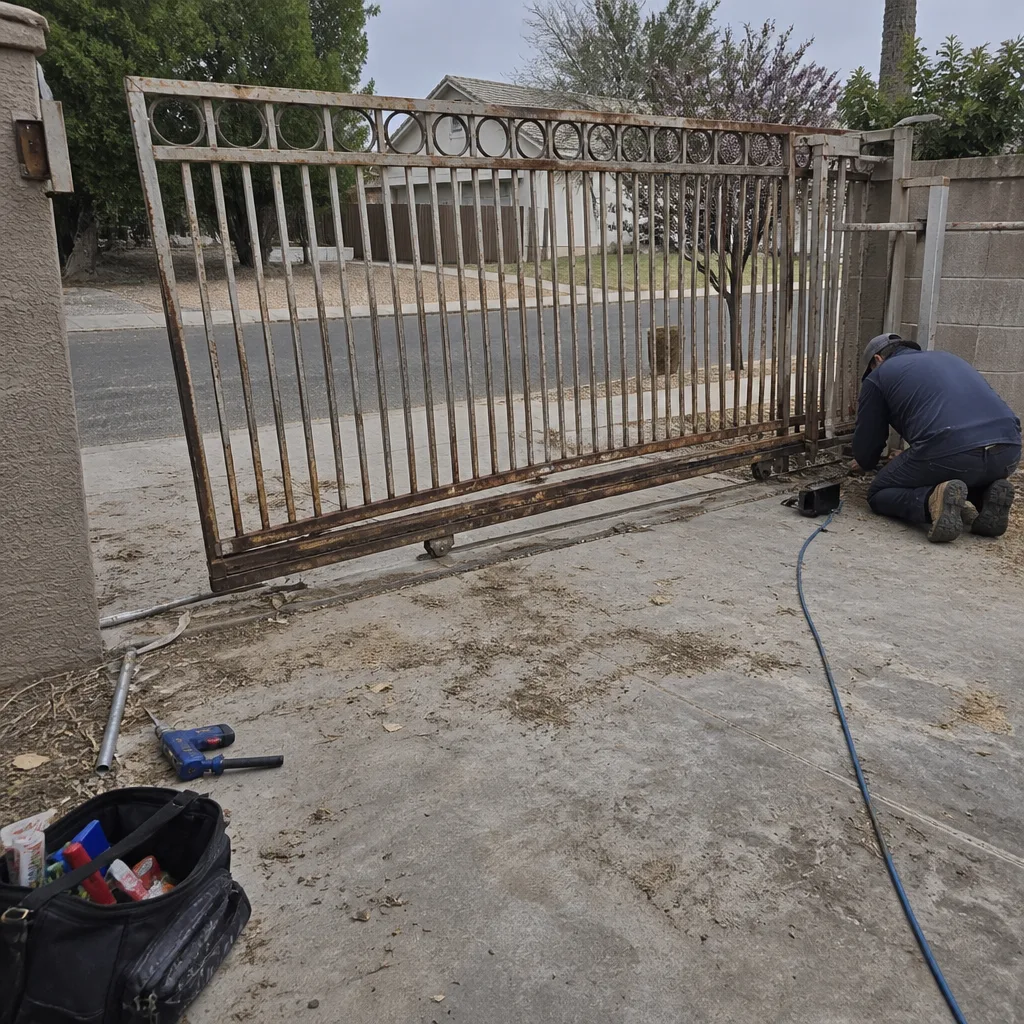 Before
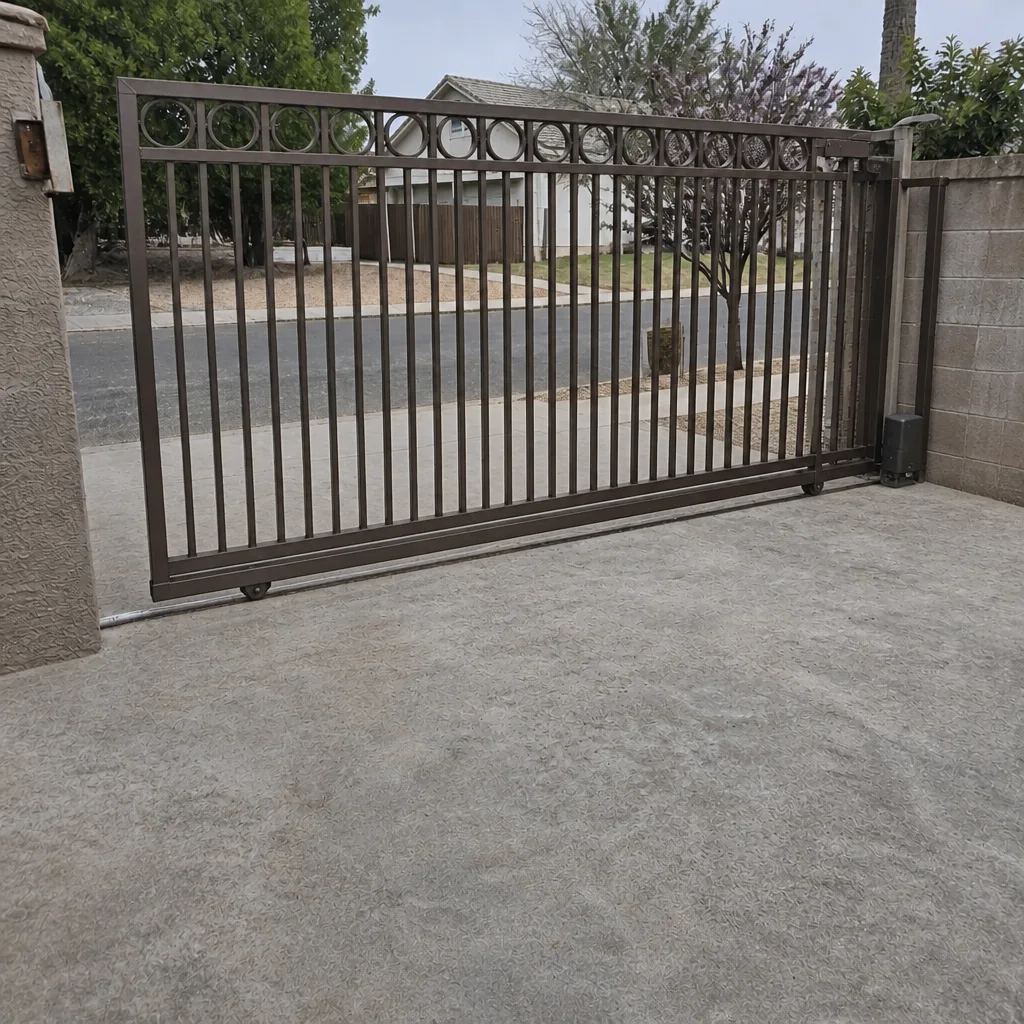 After
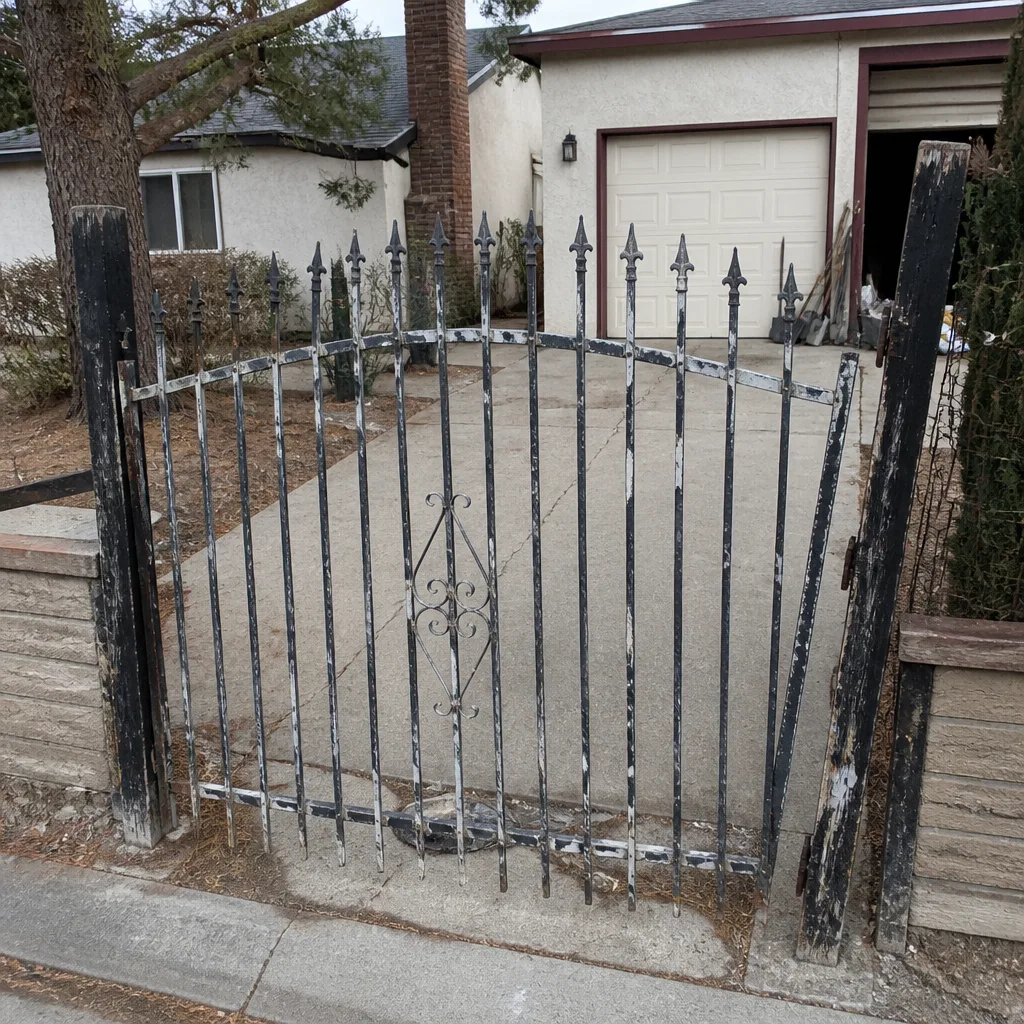 Before
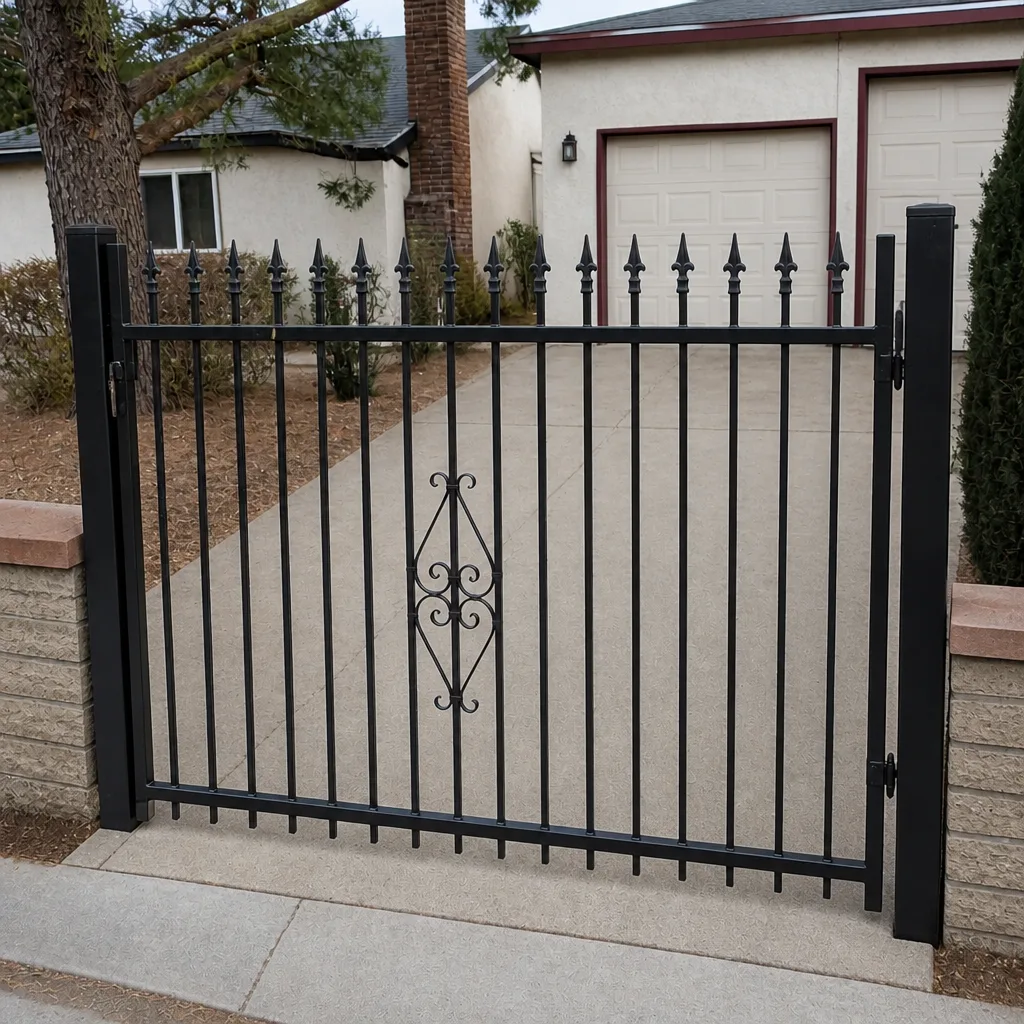 After
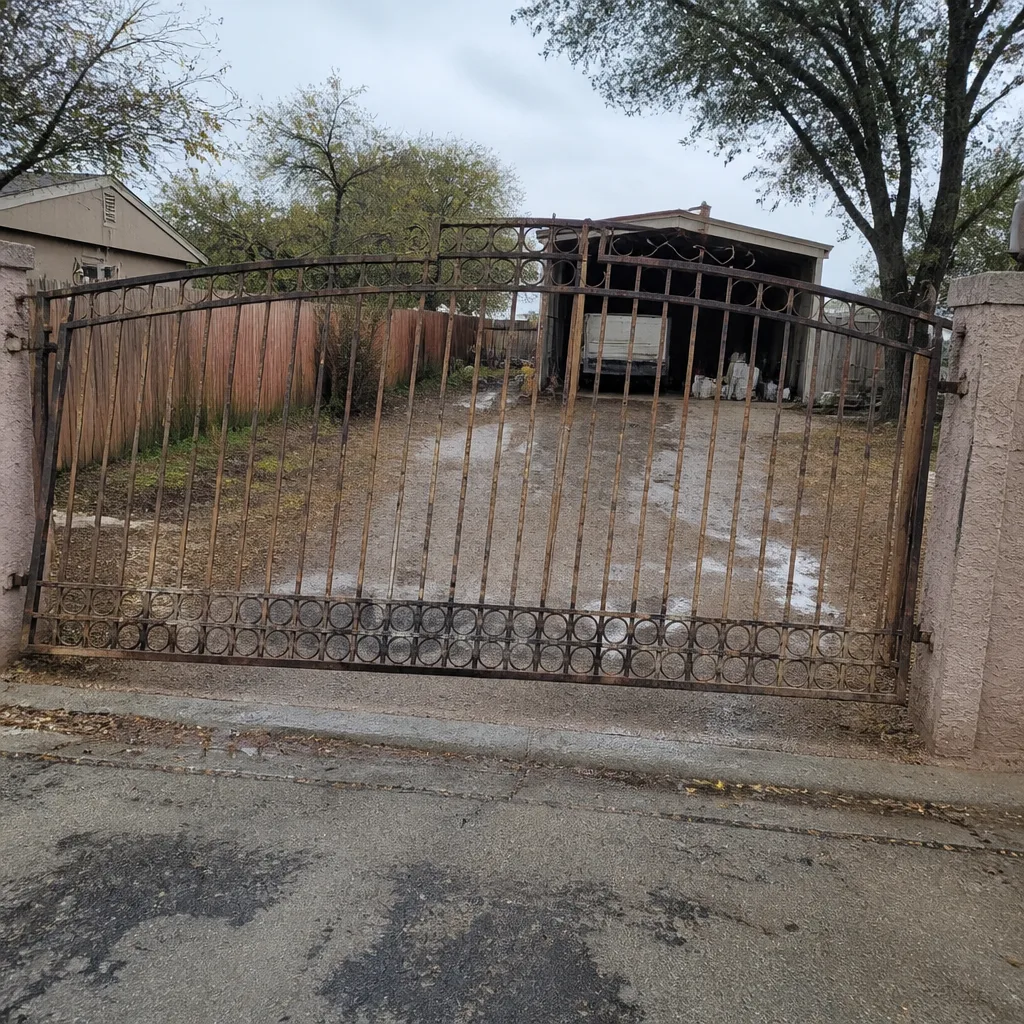 Before
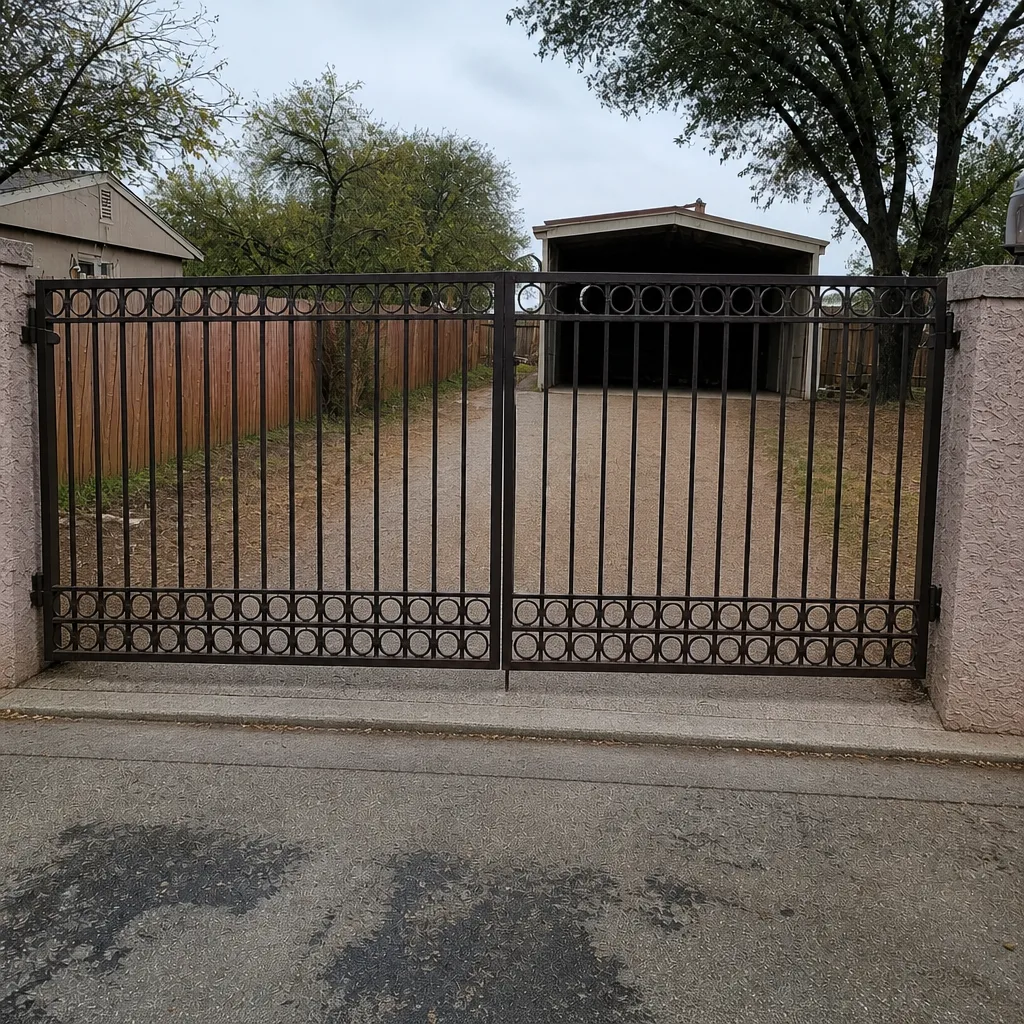 After
Frequently Asked Questions
A new gate needs three checks in the first year: at 30 days, 90 days, and 12 months. After that, plan on professional service once a year.
It can. Most opener manufacturers, including the FAAC, BFT, and Linear units we install and service, require documented service to keep coverage valid. A written log with dates and tasks is what makes a claim go through.
In Whitney, a dragging gate after installation almost always means settling ground has shifted the post or the gate has sagged on its hinges. It’s an alignment adjustment, and it’s cheaper to correct at 90 days than at two years.
Light checks are safe: a level on the top rail, a visual on the post bases, the latch gap, and the sound of the operator. The actual adjustments, especially to the operator’s force and travel limits, should be made by a trained technician.
Alignment and level check, hardware torque, lubrication, safety device testing, operator battery and force settings, and a written record of the visit. Our $89 Seasonal Tune-Up is the yearly visit your gate needs.
Yes. Keep one with the dates, tasks, and any parts replaced. It satisfies your warranty, helps any future technician, and adds value at resale. Call (855) 928-1304 for an exact quote on a service visit – estimates are free.
The Bottom Line
Your gate’s first year is the year that matters most. The 30-day, 90-day, and 12-month checks catch settling before it becomes structural, the yearly service after that keeps your opener warranty valid, and a simple maintenance log protects both. Keep the log, schedule the annual visit, and watch the drift points. If something looks off, call before you force it. Done right, a gate installed well and maintained honestly will close cleanly for decades. Ironworks Gate Co. Whitney is proud to serve our neighbors in Whitney and the surrounding communities, and we’ll be here for the next forty years of them. Call (855) 928-1304 for a free estimate.
Written by the team at Ironworks Gate Co. Whitney.