
 Wrought iron
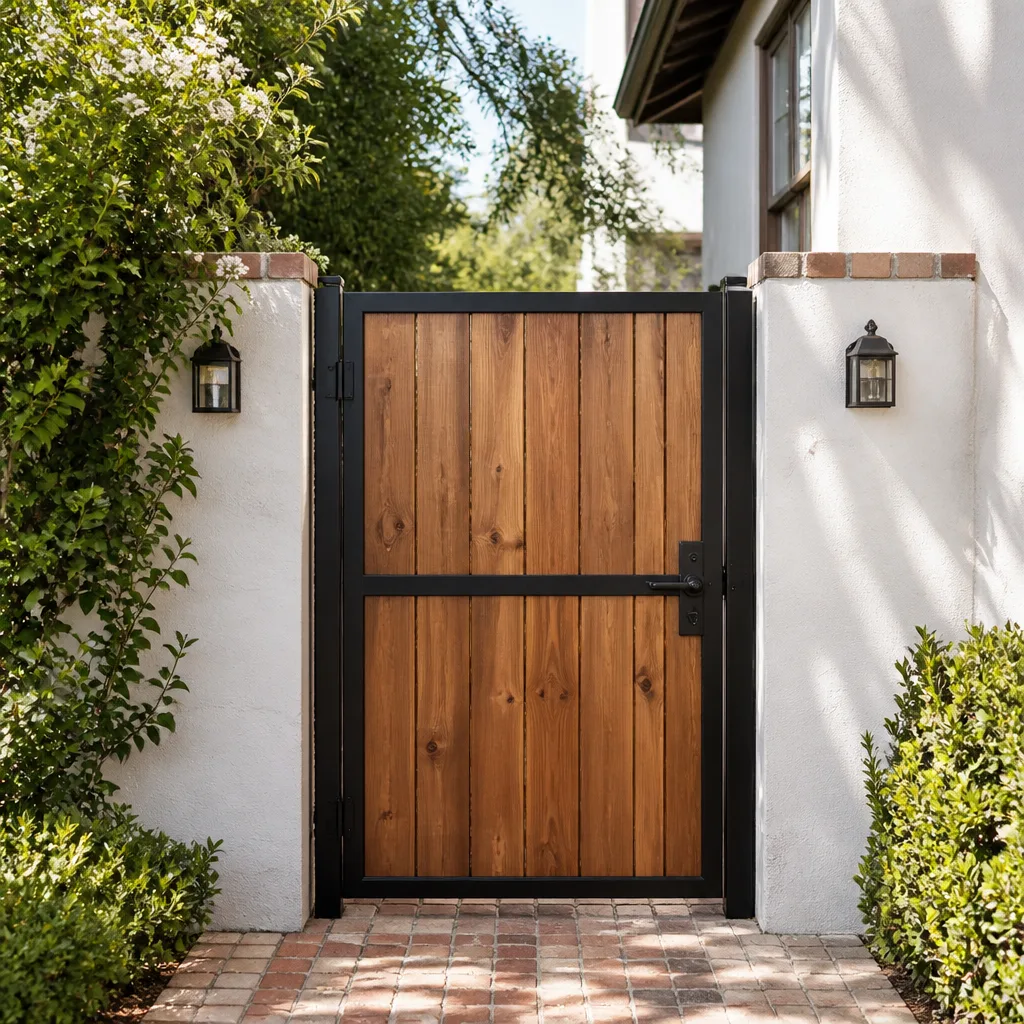 Wood & steel frame
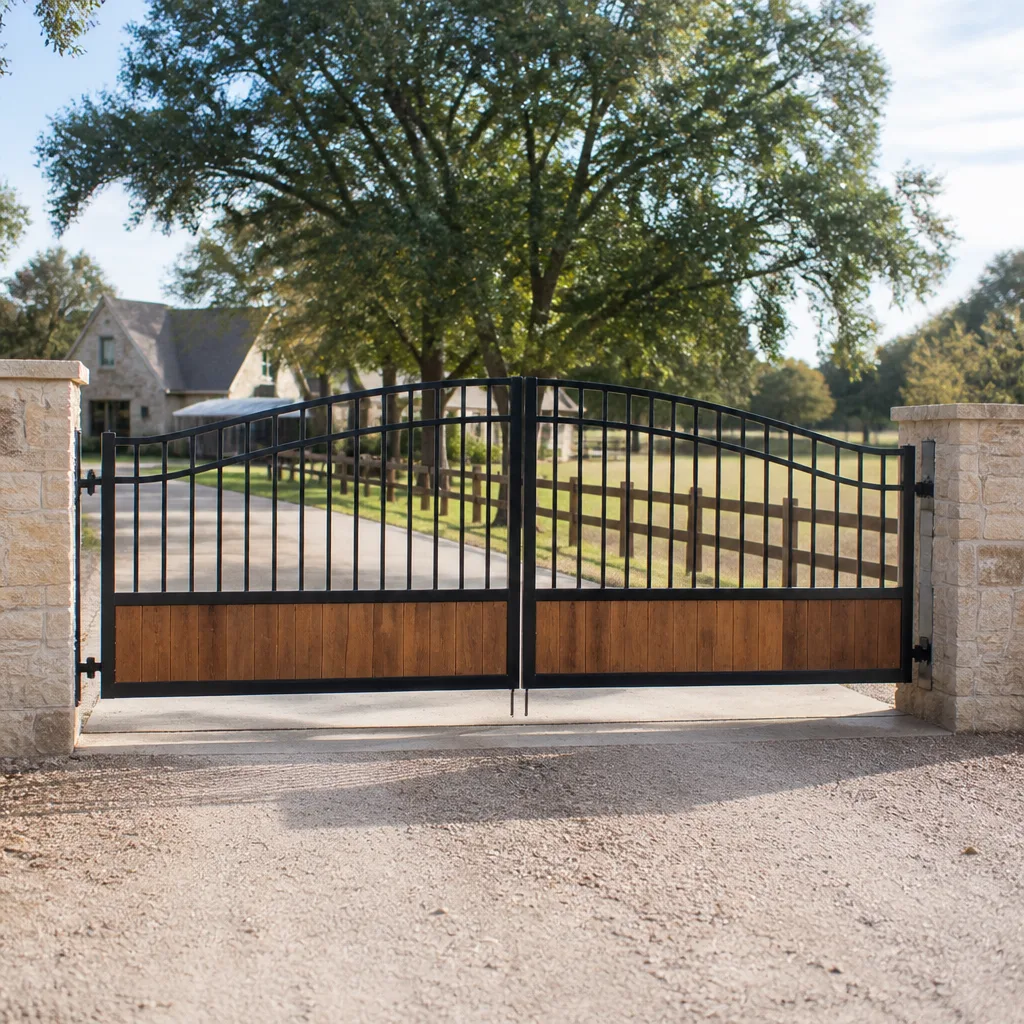 Farm & ranch
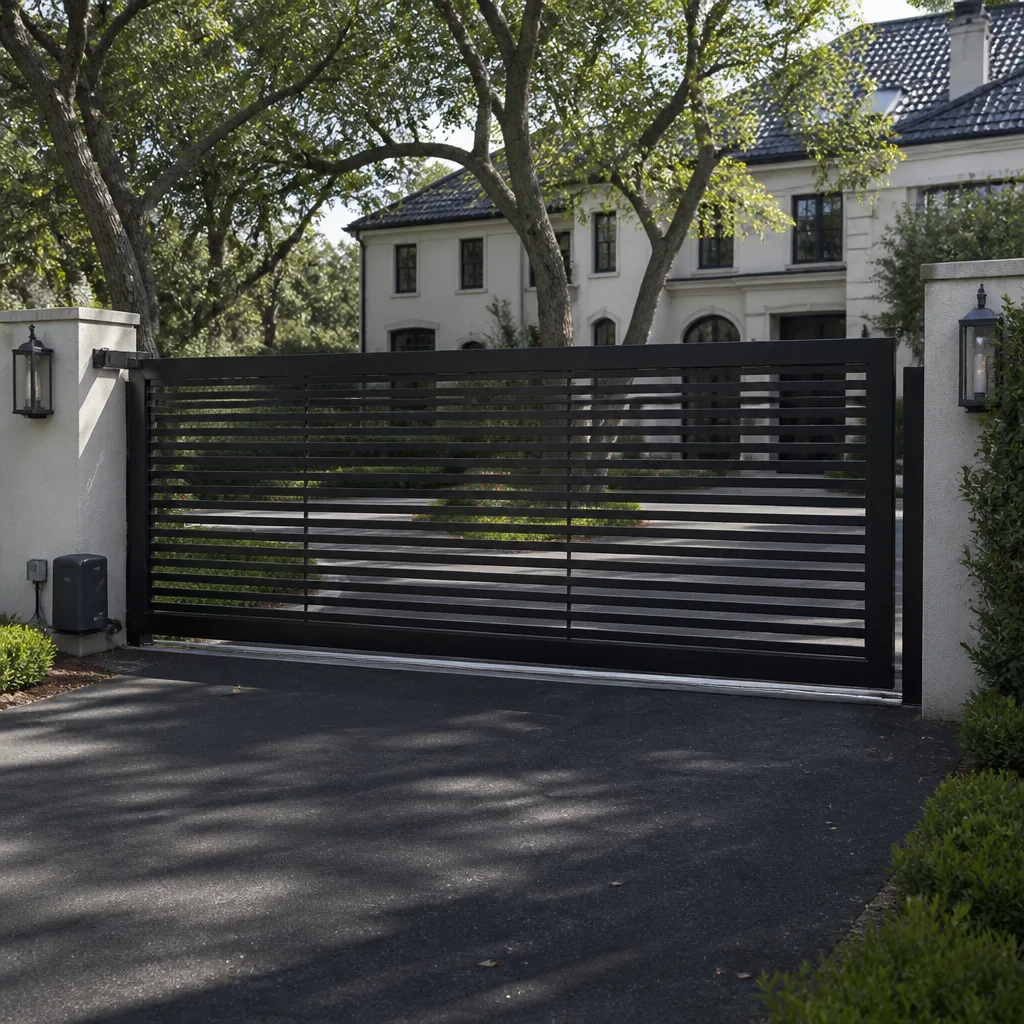 Sliding driveway gates
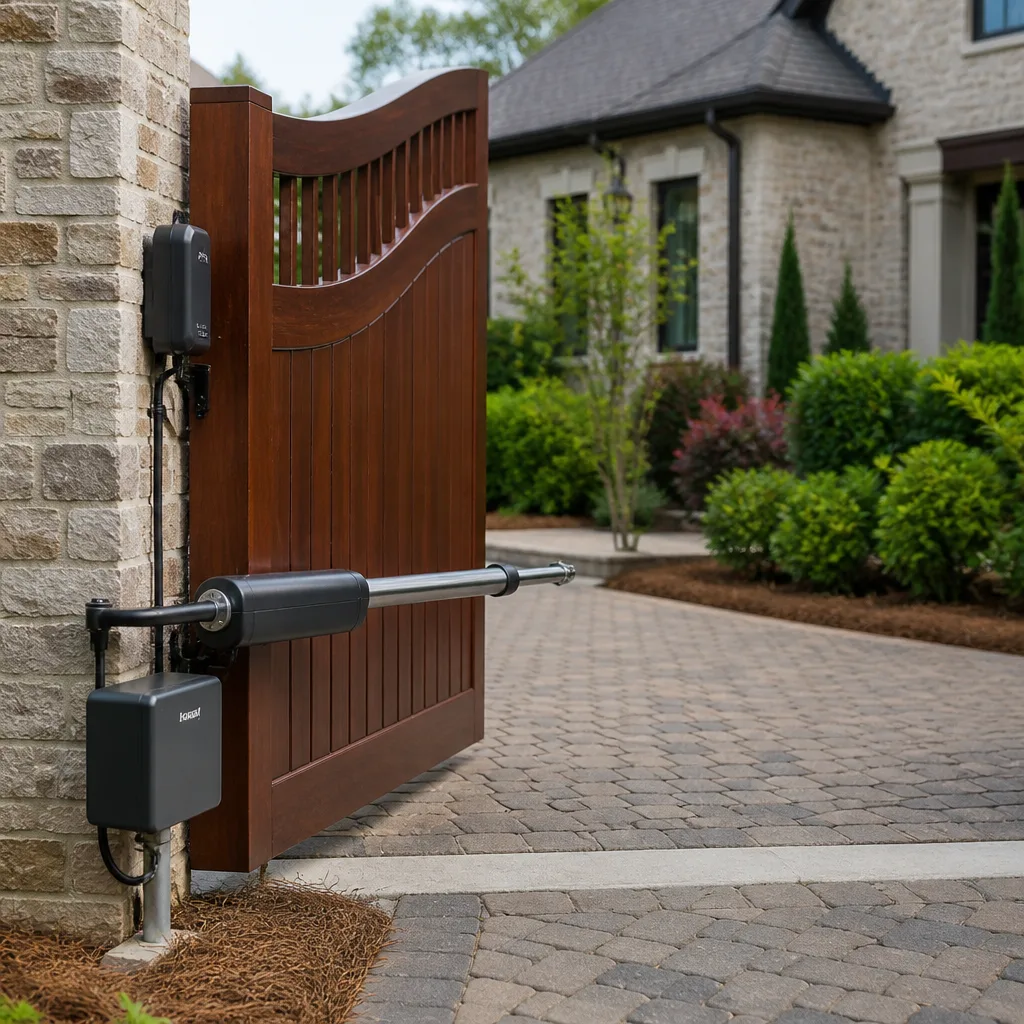 LiftMaster operators
Free on-site gate assessment - hinges, posts, and your LiftMaster or Nice gate operator checked before anything is quoted
The assessment is free and the quote is the invoice.
Get your free estimateStyles & brands we work with
- Wrought iron
- Wood & steel frame
- Farm & ranch
- Sliding driveway gates
- LiftMaster operators
See the difference
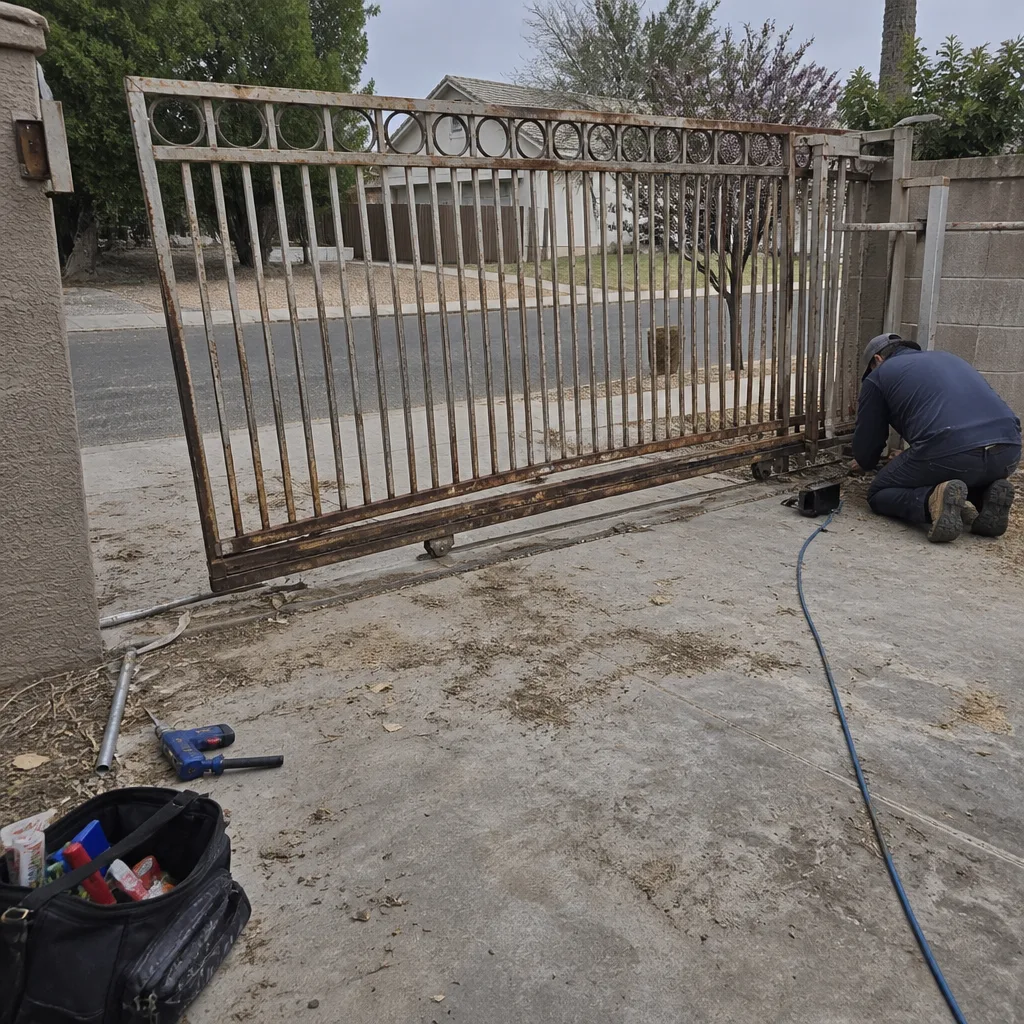 Before
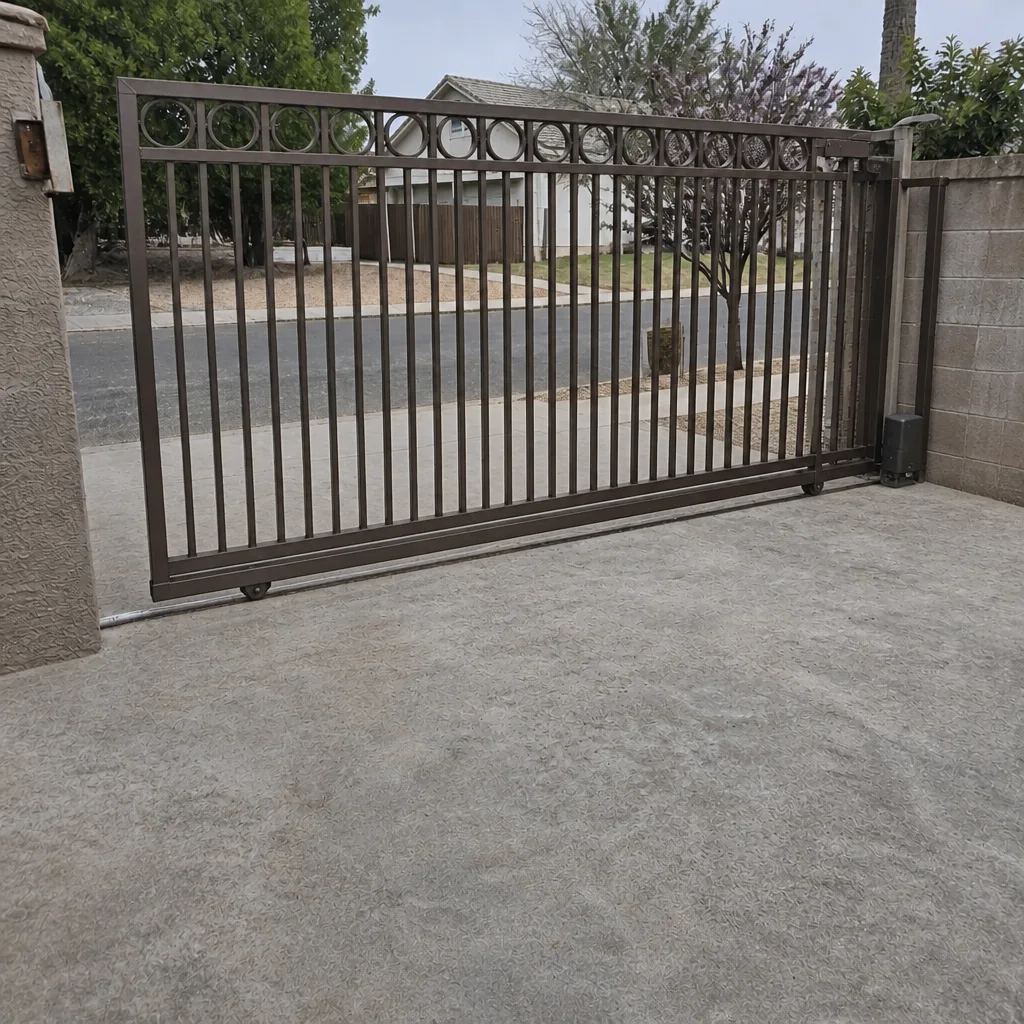 After
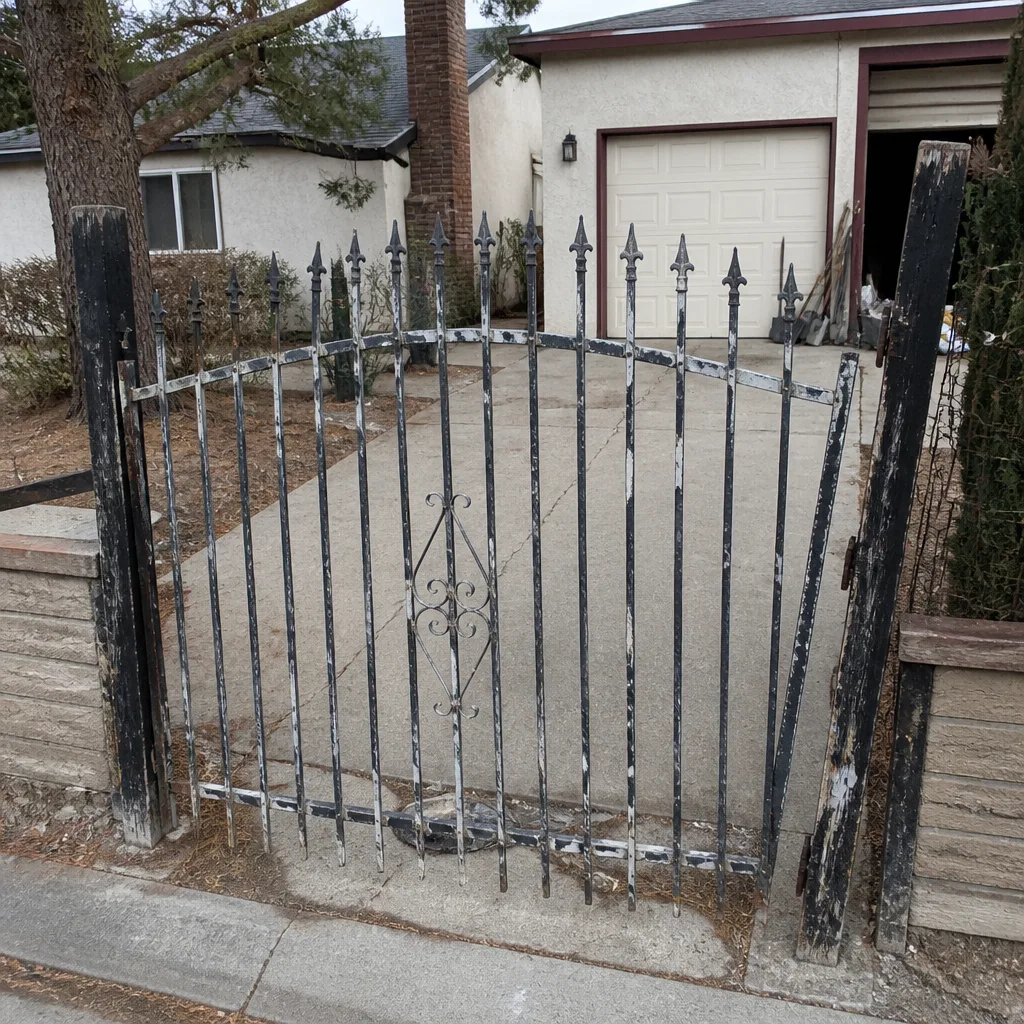 Before
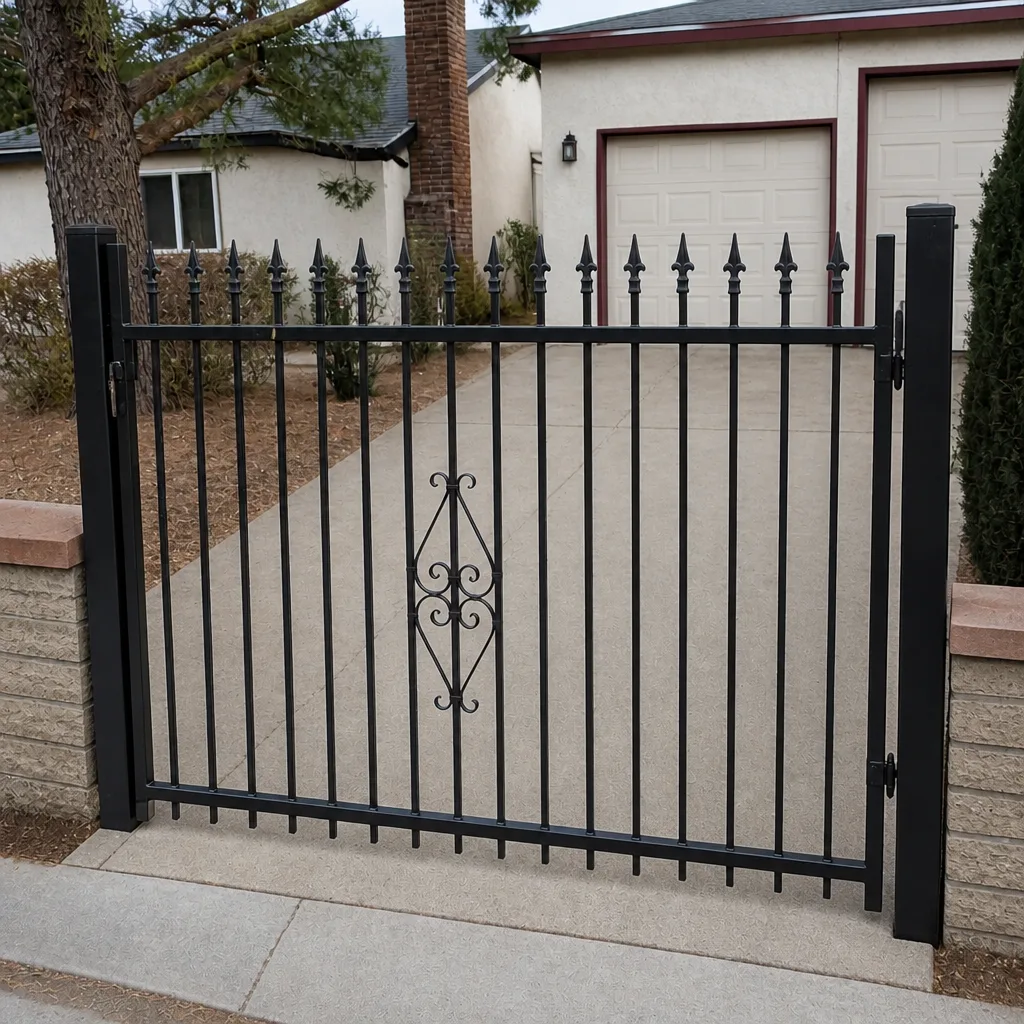 After
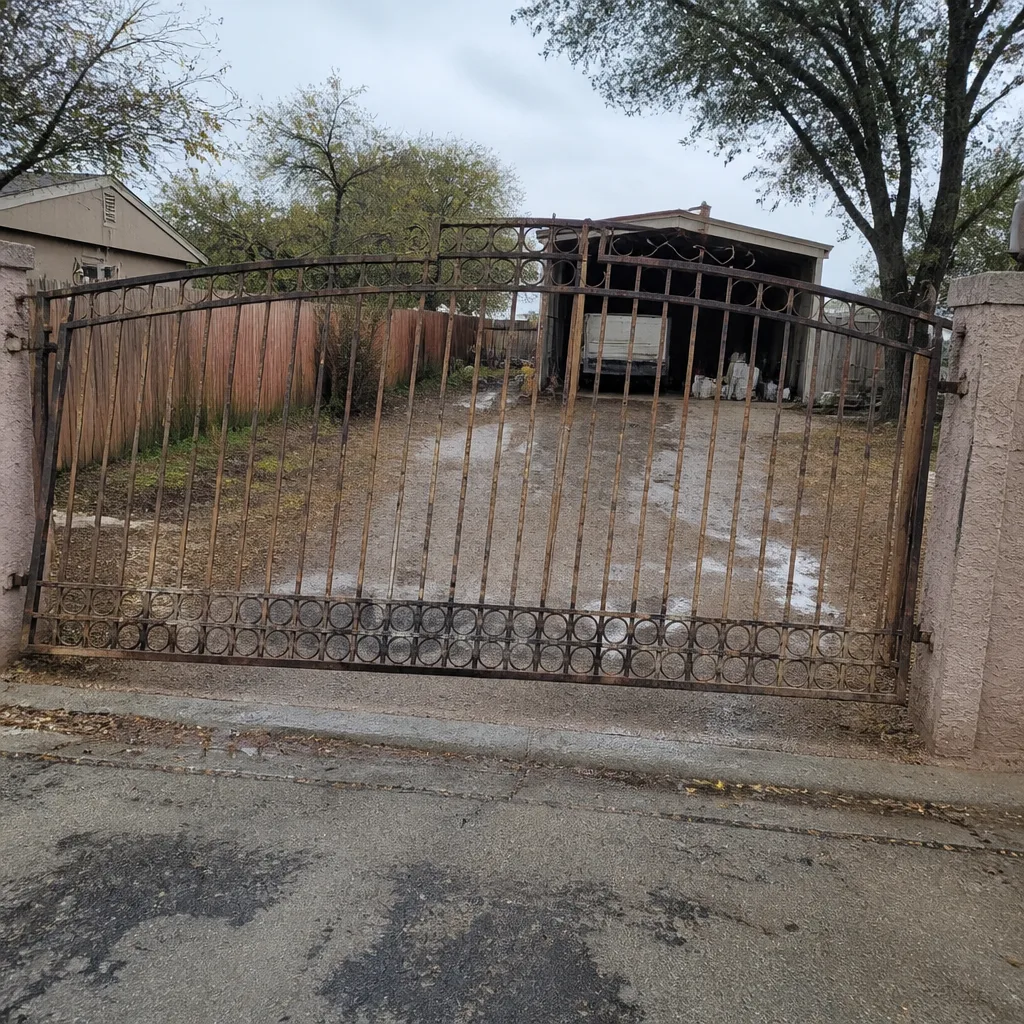 Before
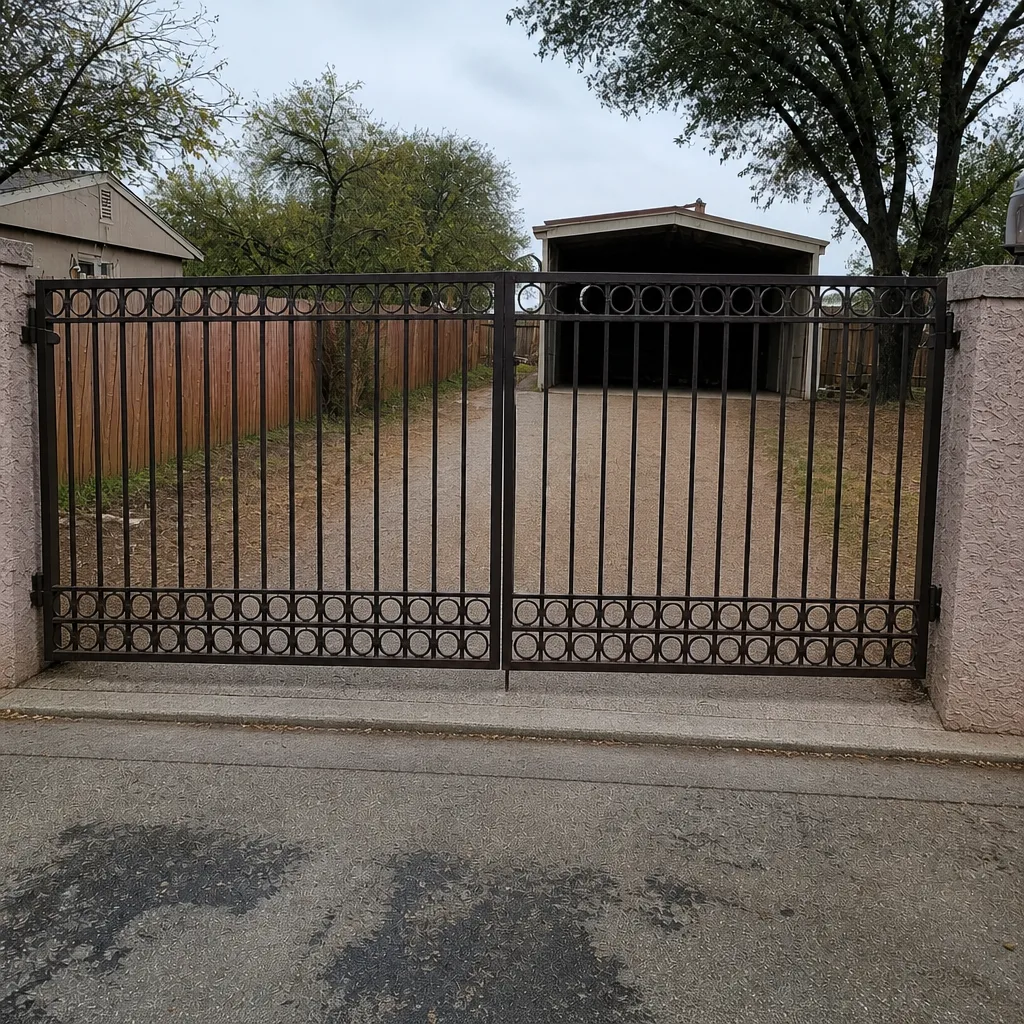 After
How to reset an automatic gate in Whitney, NV (and why the button alone usually won’t do it)
To reset an automatic gate, you power-cycle the board, clear any fault code it shows, then complete a limit re-learn so the operator knows where “open” and “closed” actually are. Skipping that third step is why your gate opens three inches and stops: the board forgot its positions, and the gate no longer knows where open is. In Whitney, the fault that forced the reset is usually heat (110°F-plus summers) or a monsoon power interruption, and both shift the physical gate enough that the old learned positions are wrong. If the reset won’t hold, call Ironworks Gate Co. Whitney at (855) 928-1304.
Why Whitney gates need a reset after heat and monsoon storms
Most reset guides online assume the gate is where it was last year. Ours usually aren’t. The tract homes built across Whitney in the 1980s through the 2000s came with builder-grade ornamental gates, and after enough desert summers those gates sit a little differently than the day the opener learned its positions.
Summer heat above 110°F expands the gate frame and the post slightly. That’s enough to move the trigger point of a limit switch a fraction of an inch. When the motor heats up, cuts out, and cools, the learned position no longer matches physical reality. The result is a gate that re-closes before it’s fully open, or stops a few inches short. Then a monsoon rolls through, water gets into the posts and hinges, a footing shifts, and now the gate has moved again after a power interruption wiped the board’s memory.
In the neighborhoods off Warm Springs Road, posts often sit in caliche-hard soil that cracks and settles after monsoon rains. A gate that drags or whose latch misses within one season is a common call for us. When the post has physically shifted, no reset will fix it, because you’re re-learning positions on a gate that’s no longer square.
Soft reset vs. fault clear vs. full limit re-learn
These three are not the same thing, and using the wrong one wastes your afternoon. Here’s how we separate them.
- Soft reset (power cycle): the correct starting point for any fault. Cut power at the breaker or disconnect, wait about 30 seconds, restore power, and watch what the board does. This clears a transient fault but does not teach the gate any positions.
- Board fault clear: if the controller shows a diagnostic code after the power cycle, that code has to be addressed before the operator will accept a re-learn. Clearing it without fixing the underlying cause (a stuck limit, a bind, a marginal sensor) just puts the gate back into fault.
- Full limit re-learn: the step most homeowners miss. After a heat event or a power loss, you run the operator through its open and close travel so it stores fresh positions. This is what stops the “opens three inches and stops” behavior. It’s also the step that reveals whether the gate actually binds, which is a different problem entirely.
If your gate is stuck mid-travel and you need to move it by hand, know that a gate operator has a manual release, but the gate itself is heavy and can swing or drop on a bad hinge. We’d rather you call than fight a 300-pound gate in the dark. A live person is at (855) 928-1304 around the clock, and we can often talk you through the sequence before we ever send anyone out to look at the Gate Motor & Opener.
Brand-specific reset notes for Whitney installs
Whitney’s housing stock runs on a handful of openers. Three come up more than any other: LiftMaster, Ghost Controls, and Mighty Mule. Builder-era homes usually have the LiftMaster; DIY gate installs from the last decade lean toward Ghost Controls and Mighty Mule.
| Opener | Typical reset path | Where homeowners get stuck |
|---|---|---|
| LiftMaster | Power cycle, then use the operator’s learn/limit routine to set open and close positions | Skipping the limit re-learn after a fault clear |
| Ghost Controls | Clear the board fault, then run the travel calibration to reset open and closed limits | Controller throws a code that’s mistaken for a dead battery |
| Mighty Mule | Clear fault, then re-run the limit setting so the arm knows its stops | A binding arm that prevents a clean re-learn |
We’re trained and equipped on nine gate-automation brands, including LiftMaster, FAAC, BFT, and Mighty Mule, so the correct fix is made on the first visit rather than a guess. If the reset clears the fault but the gate won’t hold, the next likely culprits are a failing limit switch, a power-supply issue, or a hinge that’s dragging. For a closer look at the automation side, see our Gate Motor & Opener in Whitney page.
When a reset isn’t enough and you need a pro
A homeowner reset is worth trying once. Here’s when to stop and call, because these point to something a button press can’t fix:
- The board re-enters fault immediately after you clear it.
- The gate binds, drags, or jerks during the re-learn cycle.
- The post has visibly shifted, tilted, or separated from the footing.
- The gate re-closes before it’s fully open, and a fresh re-learn doesn’t change it.
- Water is pooling at the post base after a storm, or hinges show rust that’s stiffening the swing.
When a reset won’t hold, a technician arrives with the tools to diagnose and repair in a single visit. That’s the difference between a gate that’s reset and a gate that’s fixed. Our technicians have up to 13 years of experience, background-checked and uniformed, and every completed job is covered by the written 90-Day Done Right Promise. If we fix it and it slips again, we come back and make it right, no argument. Our team handles the full scope, from hinges, latches, and welding to keypads and access control, so we’re not sending you to a second company for the mechanical side.
What a proper reset or diagnosis costs in Whitney
Most gate reset and fault-diagnosis calls in Whitney land in a predictable range. Here’s roughly what to expect, so there are no surprises on the bill:
- Phone troubleshooting to walk you through a reset: free, and often solves it.
- On-site diagnostic and reset, typical range: $95 to $185.
- Replacement limit switch or small hardware correction: $150 to $300.
- Hinge, latch, or post correction when the reset reveals a mechanical problem: $200 to $450.
- Opener board or motor repair: quoted after diagnosis, settled before a single bolt is turned.
Standing offers take some of the sting out: $50 off any repair over $250, a free second opinion on any written estimate, and an $89 seasonal tune-up that catches a drifting limit or rusted hinge before it strands you. Senior and Veteran 5% discount, always.
Frequently asked questions
Power-cycle the board, clear any fault code, then run a full limit re-learn so the operator re-stores its open and closed positions. The three-inch stop almost always means the board reset its memory but never re-learned the limits. If it stops in the same spot after a proper re-learn, the gate is likely binding or a limit switch is failing, and that’s worth a call to (855) 928-1304.
Because heat moves the gate. Above 110°F the frame and post expand just enough to shift the trigger point of the limit switch, and the learned position drifts away from the physical one. A re-learn fixes it for a while, but if it happens every summer, a limit switch or a hinge is usually the root cause. A seasonal tune-up catches it before it fails.
Yes. A live person answers every call, 24 hours a day, 7 days a week, no voicemail tree, and we can walk you through the power cycle, fault clear, and re-learn for your specific opener. If it doesn’t hold, we’ll send a technician equipped to diagnose and fix it on the same visit.
Doing it yourself is cheapest when a soft reset or re-learn is all it needs, and we’ll happily talk you through it. Once a reset reveals a binding gate, a shifted post, or a repeated fault, the pro visit pays for itself by stopping the repeat calls. Estimates are free, so an exact quote costs you nothing.
If you’d rather have it looked at than fight the controller, Ironworks Gate Co. Whitney offers a no-pressure assessment in Whitney - call (855) 928-1304 for a free estimate. Upfront pricing, a live person on the line, and the work backed in writing.
Written by the team at Ironworks Gate Co. Whitney, serving Whitney, NV.