
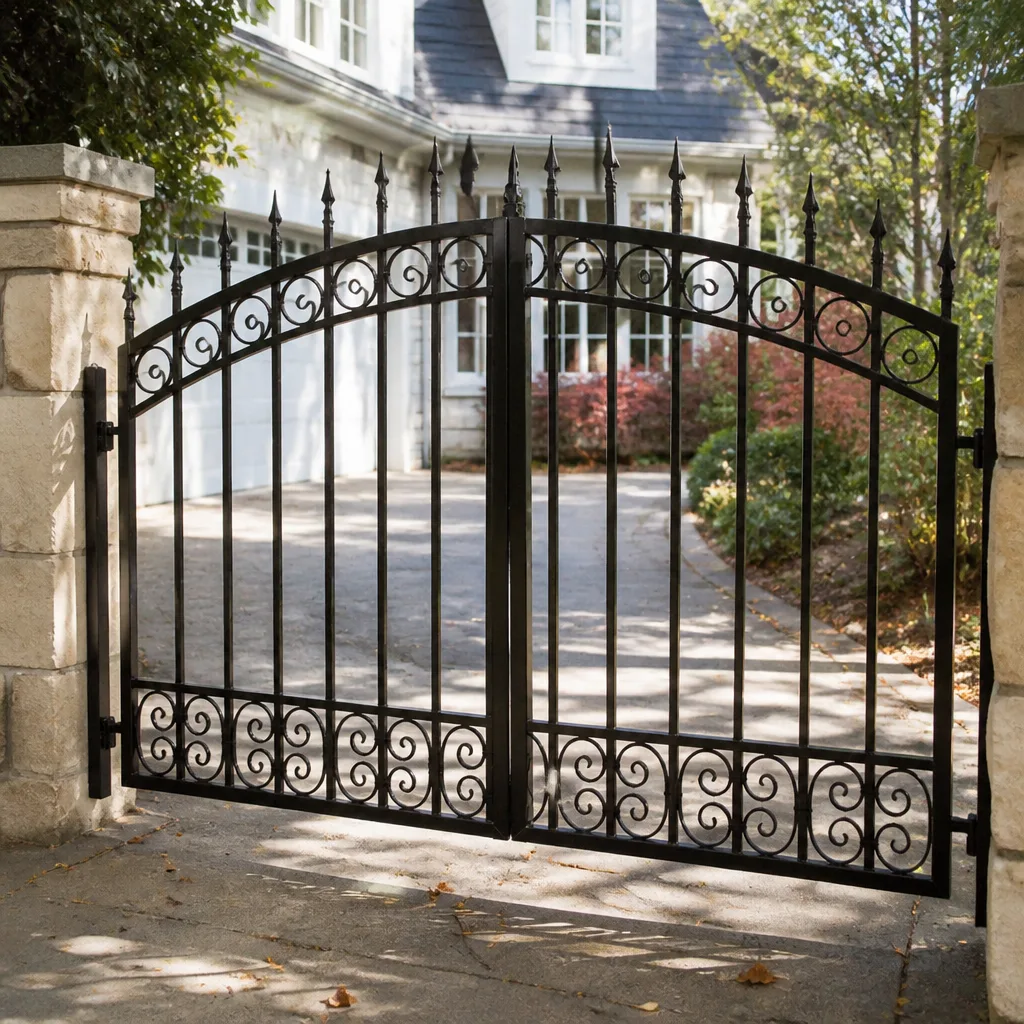
 Wrought iron
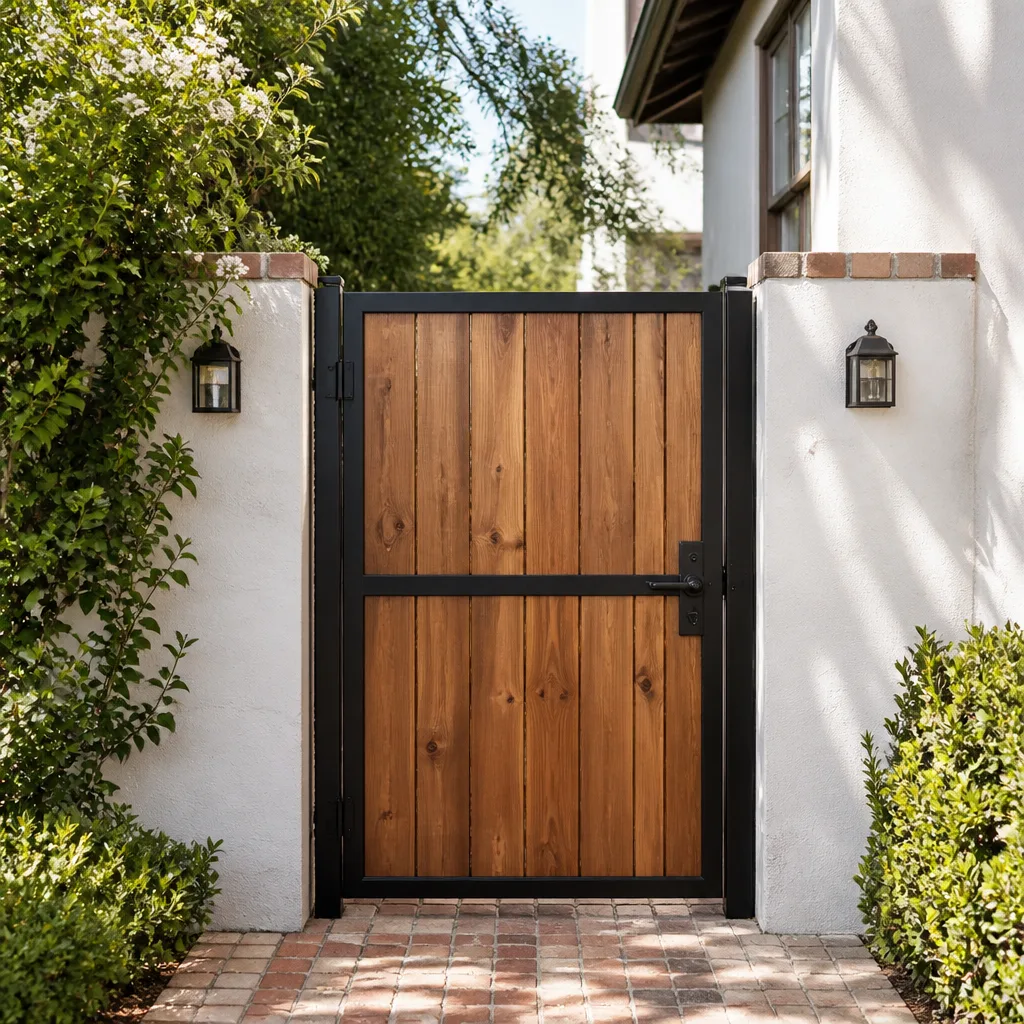 Wood & steel frame
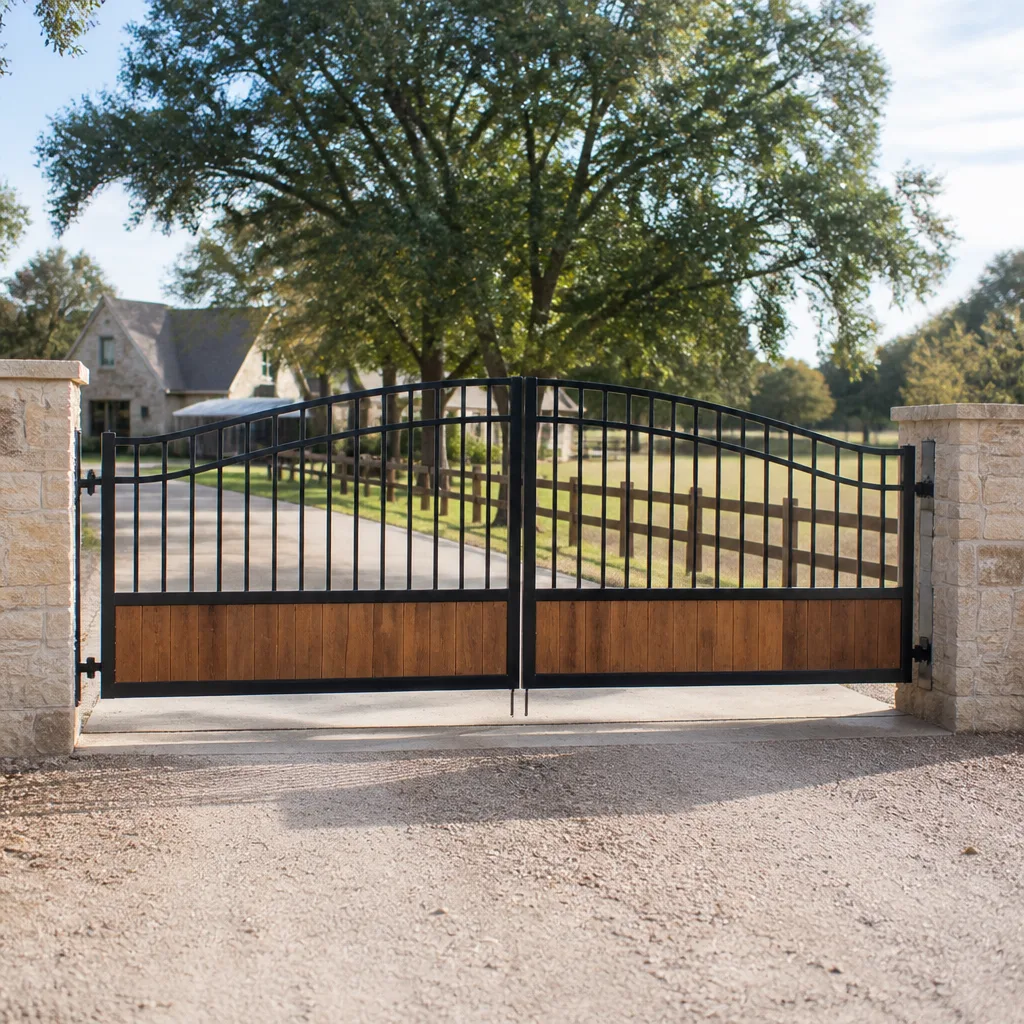 Farm & ranch
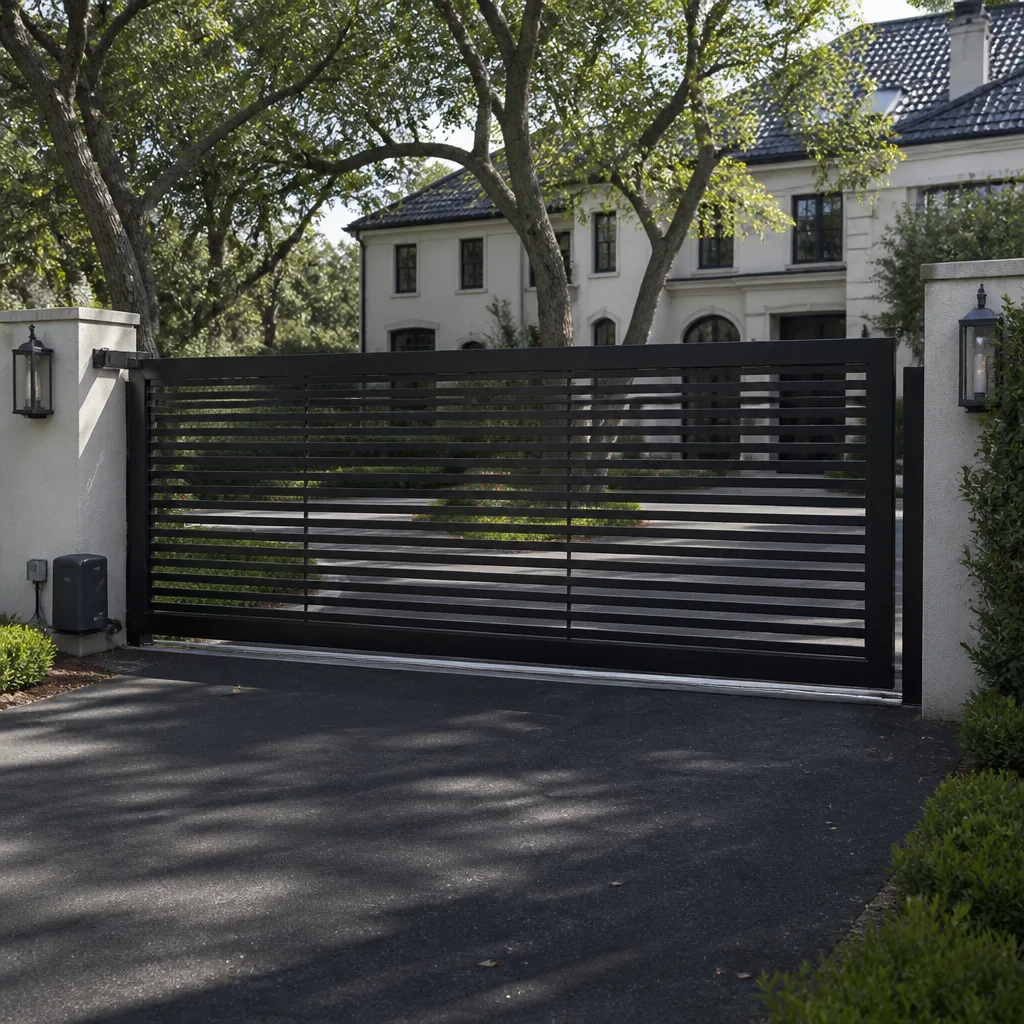 Sliding driveway gates
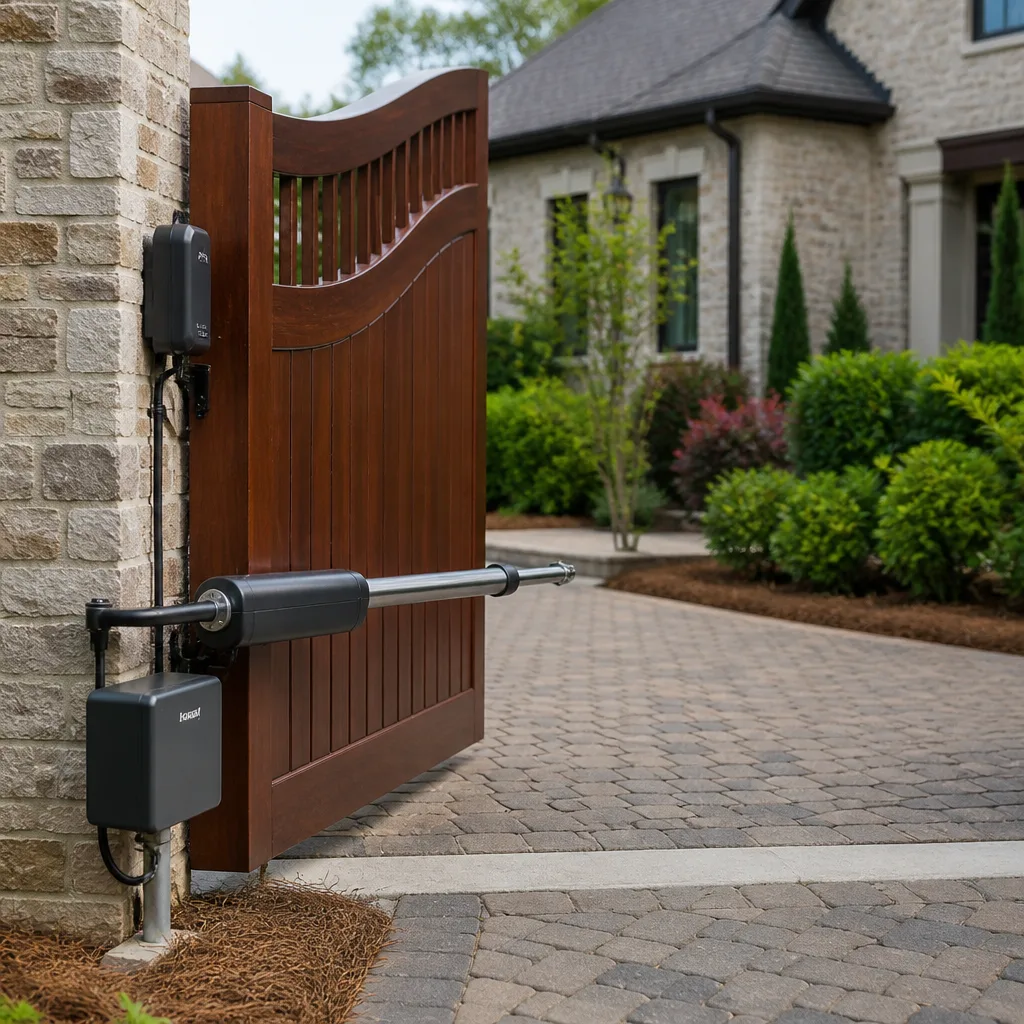 LiftMaster operators
Free on-site gate assessment - hinges, posts, and your LiftMaster or Nice gate operator checked before anything is quoted
The assessment is free and the quote is the invoice.
Get your free estimateStyles & brands we work with
- Wrought iron
- Wood & steel frame
- Farm & ranch
- Sliding driveway gates
- LiftMaster operators
See the difference
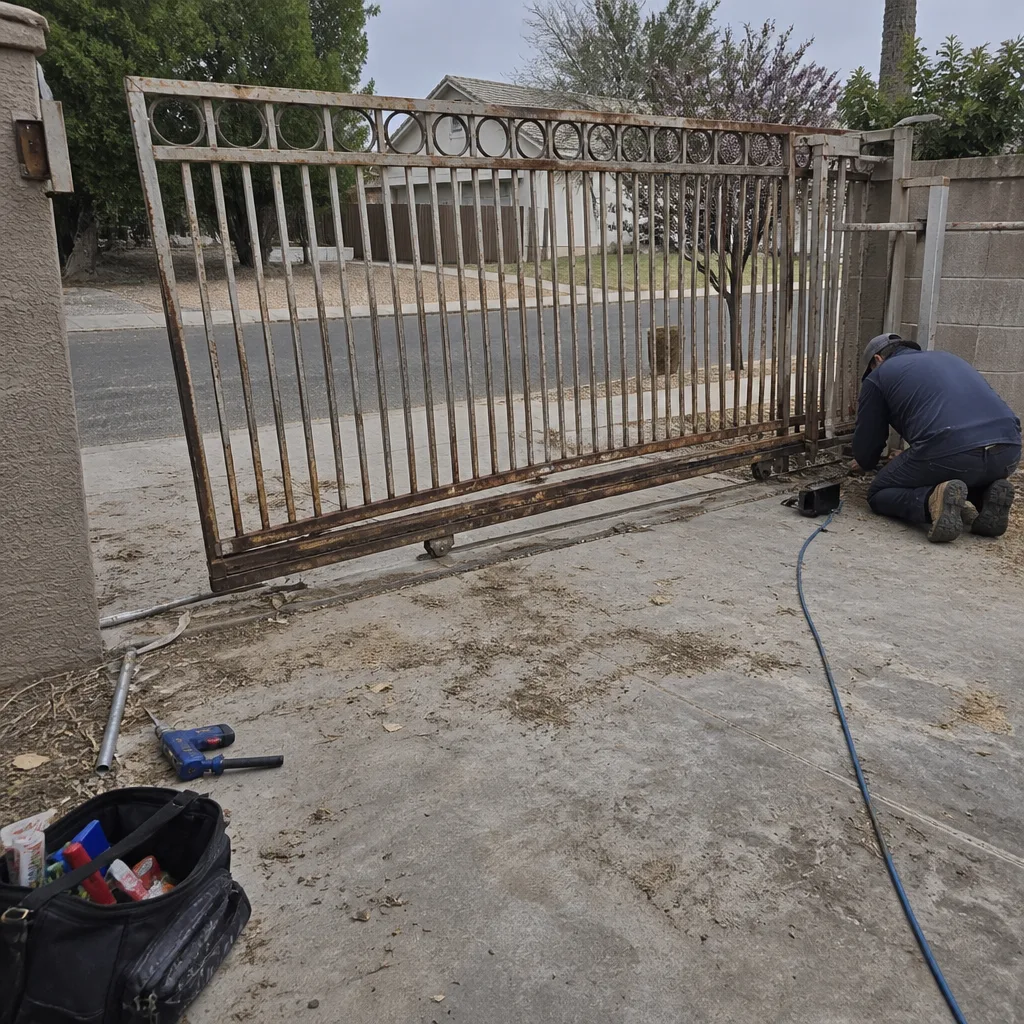 Before
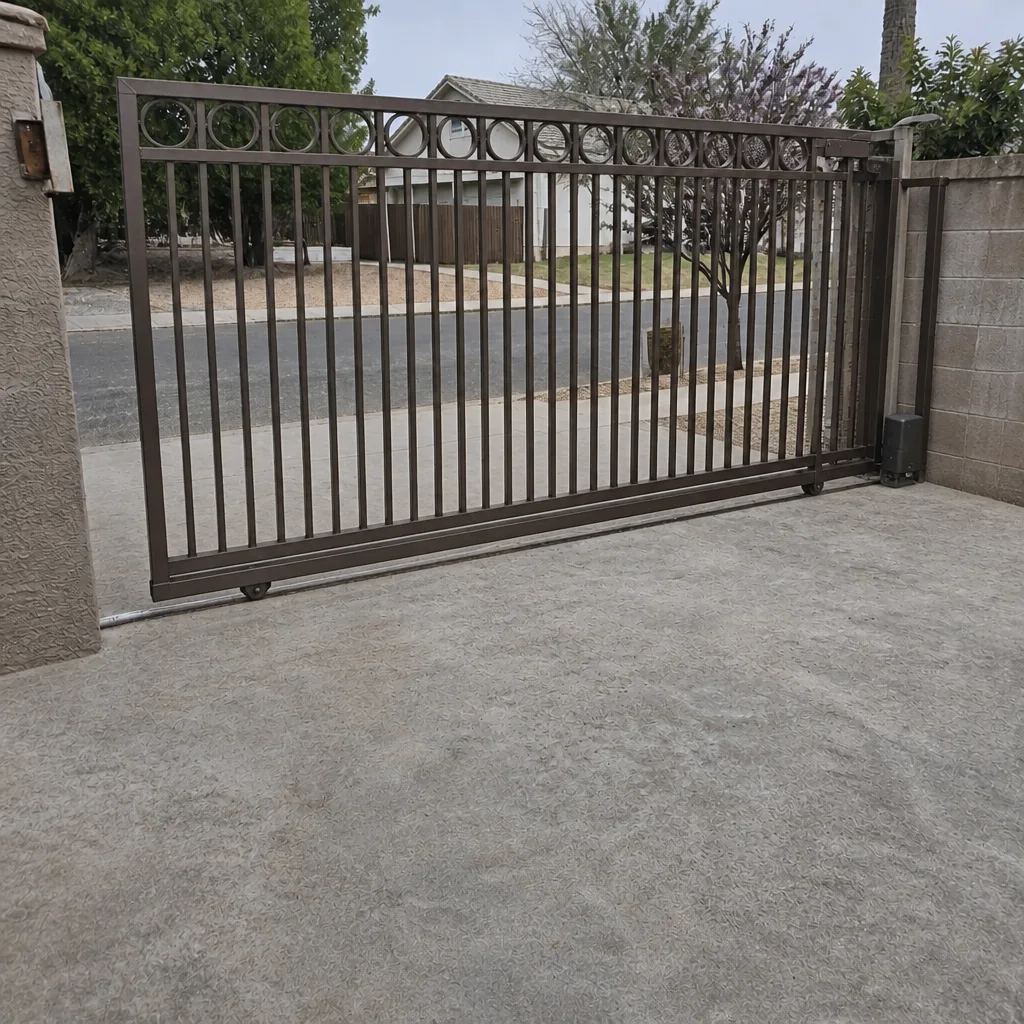 After
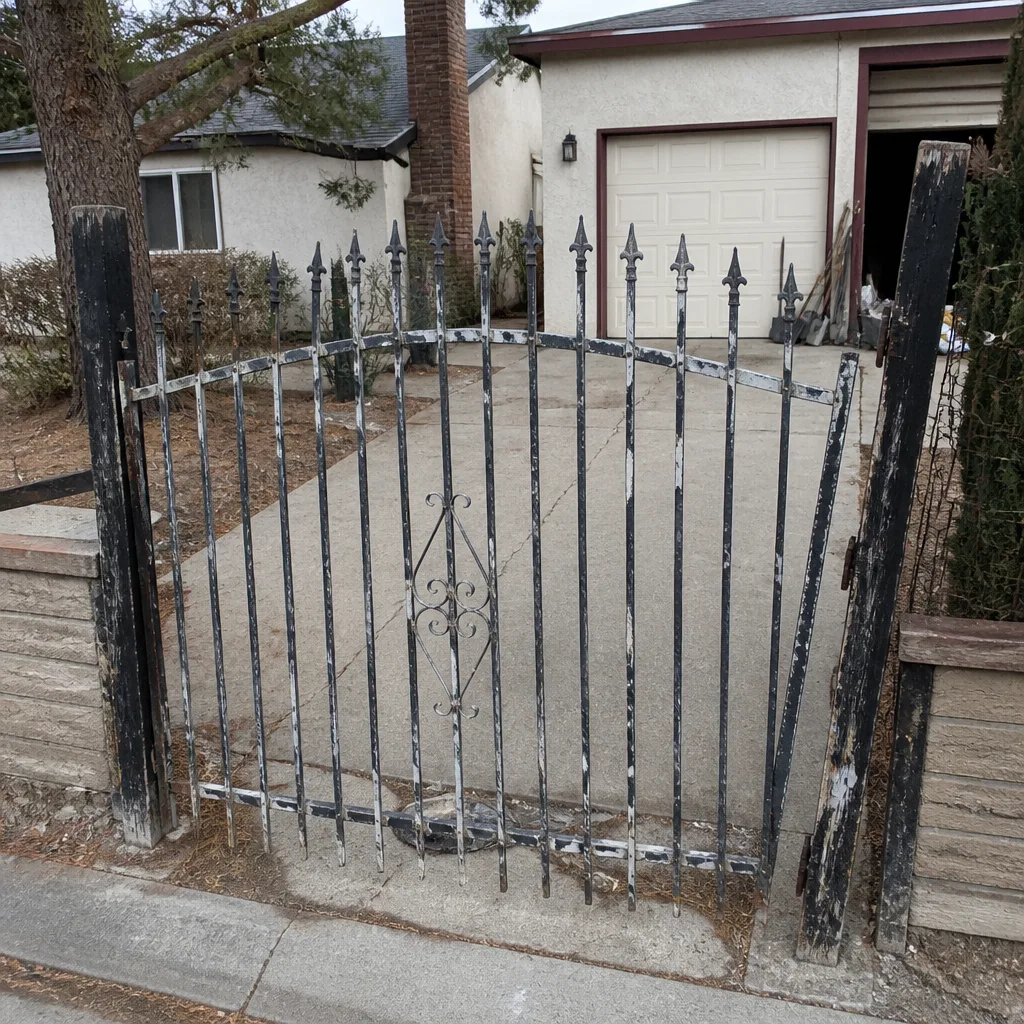 Before
 After
 Before
 After
Why Won’t My Automatic Gate Open in Whitney, NV?
The single most likely answer is heat: if your gate quit on a 112°F afternoon, the motor’s thermal cutout tripped to protect itself, and the control board is now sitting in a fault state that doesn’t clear just because the temperature dropped. That’s why the remote, the keypad, and even a manual release can all seem to “do nothing” days later. For Whitney homeowners, this heat-triggered lockout is the most common reason a gate appears dead. If yours is stuck, call (855) 928-1304 and a live person can often walk you through the reset right there on the phone.
Below is how the failure sequence actually works, the five causes we see most often in this neighborhood’s housing stock, and a safe way to tell whether you can reset it yourself or whether it needs a technician on site.
The Whitney heat sequence: what actually happens to your gate
Desert heat does quiet damage to gate automation. Most residential operators are rated to a maximum ambient temperature that hovers right around the hottest afternoons here. When the motor runs under load and the internal sensor reads past that threshold, it shuts the motor down on purpose. That’s the thermal cutout doing its job. The trouble is the second part: the control board logs the event as a fault, and many boards stay in that fault mode until the power is cycled in the right order. The homeowner sees a gate that won’t move at all, assumes the motor is dead, and either calls for a full replacement or leaves the gate open. Neither is usually necessary.
This also explains why gates that worked fine in April fail in July and seem to come back in October. The motor isn’t failing. It’s surviving. A gate in direct western sun on a block wall along the driveway hit hardest, and older builder-grade operators were never engineered with 110°F-plus afternoons in mind.
Before you call: a safe reset sequence to try first
You can try this safely. It clears the fault state on most boards without ever touching the mechanics of the gate itself. Do not open the motor housing, do not reach into the arm or the chain path, and do not try to force the gate by hand while it’s powered. The gate and the arm carry serious force.
- Locate the power source for the operator: usually a low-voltage transformer plugged in near the gate, sometimes at the control box or inside the garage. Leave the motor housing closed.
- Switch off the breaker or unplug the transformer at the wall, not the unit. Wait a full two minutes. This gives the board’s capacitors time to drain, which is what actually clears many fault states.
- Check for anything blocking the gate’s path: a dragged gate, a dropped latch, a rock or branch, a misaligned photoelectric beam. More on the dragging issue below, because in Whitney it matters.
- Restore power and listen. A healthy board will chirp or click and the display (if there is one) will settle into an idle state rather than flashing a fault code.
- Try the wall-mounted control first, not the remote. If the wall button works but the remote doesn’t, the problem is in the remote or the receiver, not the motor.
If the gate still won’t move after that, or if the board throws the same fault within a day, you’ve moved past a reset. That’s an electrical or mechanical fault that needs eyes on it. Gate Repair in Whitney is where a technician can look at the whole picture: motor, board, wiring, and the physical gate.
The five causes we see most often in Whitney, in order of frequency
Whitney’s tract homes were mostly built between the 1980s and 2000s, with builder-grade ornamental gates, original tubular steel or aluminum, and a lot of the builder’s hardware still in place. That history shapes what fails and in what order.
- 1. Thermal cutout fault mode. As above: the motor survived the heat but the board didn’t reset. This is the leading cause from June through September.
- 2. Dead battery backup. Many operators have a backup battery so the gate can still open during a power loss. A battery that’s four or five summers old won’t hold a charge, and some boards refuse to run at all when they detect a failed backup. The remote seems fine; the gate simply doesn’t respond.
- 3. Corroded low-voltage connection at the control board. Monsoon season pushes water into control boxes and along the low-voltage wire run, then the sun bakes it dry. Repeat that for a few years and the terminal screws on the board fur up with corrosion. Intermittent opening, opening on some days and not others, or opening only in the cool of the morning are the tells.
- 4. Limit-switch drift from post heave. When a gate post shifts, the gate’s travel changes, and the limit switches that tell the operator “this is fully open” and “this is fully closed” fall out of adjustment. The gate travels, then stops short, or reverses partway, or refuses to open because the board thinks it’s already open.
- 5. Failed safety sensor alignment. The photoelectric beam across the driveway is designed to stop or reverse the gate if something crosses it. When the two sensors drift out of alignment, or a spider web or dust film clouds the lens, the gate reads a permanent obstruction and won’t open at all as a safety measure. This is a feature doing its job.
Why caliche soil makes Whitney gates drag, and what that does to the operator
In the neighborhoods off Warm Springs Road, gate posts often sit in caliche-hard soil. Caliche doesn’t drain the way ordinary soil does and it cracks and settles after monsoon rains. When a post heaves or leans even a little, the gate swings out of square and starts dragging against the ground or binding in its hinges. The operator senses that resistance as an obstruction and refuses to open, exactly as it’s designed to do. The homeowner sees a gate that won’t open. The real problem is a foot that’s moved a half inch.
This is the same reason a gate that closed cleanly in April catches its latch by August. Sun-baked, poorly drained installs are the neighborhood-wide condition here, and gate repair in Whitney is less about fancy ironwork and more about correcting decades of settling. If the gate is dragging, resetting the board won’t fix it: the operator will just trip on the same obstruction again.
When to stop diagnosing and call a technician
Some things are safe to check yourself. Others are not. Call us rather than guess if any of these are true:
- The gate is visibly dragging on the ground, leaning, or binding at the hinge. That’s a post and hinge job, not an electrical reset.
- You smell burning from the control box, see scorch marks, or the breaker trips when the gate is powered.
- The board shows a fault code that won’t clear, or the same fault returns within a day.
- The gate opens but won’t close, or closes but won’t open, and the sensors look clean and aligned.
- A battery backup has failed and you want it replaced correctly the first time.
For anything low-voltage and board-related, leave the motor housing closed and let a trained technician handle it. Ironworks Gate Co. Whitney is credentialed to service nine leading gate-automation brands, including LiftMaster, FAAC, BFT, and Mighty Mule, so whatever is on your driveway, we bring the right parts and the right diagnostic tools on the first visit. Our technicians have up to 13 years of experience, all background-checked and uniformed, and every job is covered by our written 90-Day Done Right Promise. Upfront pricing is settled before a single bolt is turned, and we’re a phone call away 24 hours a day, seven days a week. If a visit is needed, the technician arrives equipped to fix it on that trip, not on a second appointment three days later. For the full scope of what we handle, see our Gate Repair service.
Common local scenarios we hear on the phone
These come up often enough in Whitney that they’re worth naming plainly:
- “It worked fine all spring, then died in July.” Classic thermal fault. Often reset over the phone, sometimes needs the board looked at if it recurs weekly.
- “The remotes are new but the gate still won’t open.” The remotes are fine; the receiver or the board is the issue. Re-pairing won’t help.
- “It opens in the morning and not in the afternoon.” Heat or a marginal low-voltage connection. Both are fixable in one visit.
- “The gate jerks and stops halfway.” Limit-switch drift or a dragging gate. Physical inspection needed.
- “The manual release won’t budge.” A seized arm or a bound gate. Please don’t force it. Call us.
If you’d rather have it looked at, Ironworks Gate Co. Whitney offers a no-pressure assessment in Whitney. Call (855) 928-1304 and we’ll tell you honestly whether it’s a phone reset or a technician visit.
FAQs
Your motor most likely tripped its thermal cutout to protect itself during the heat, and the control board is stuck in a fault state that doesn’t clear on its own. Cycle the power at the breaker or transformer, wait two full minutes, and restore power to see if the board resets. If it doesn’t, or if the gate dies again the next hot afternoon, call (855) 928-1304 for a free phone diagnosis and an exact quote if a visit is needed.
You can safely reset the power at the breaker and check for obvious obstructions, but anything involving the board, the wiring, the motor housing, or a gate that’s dragging or binding needs a technician. Never open the motor housing or force the gate by hand. Call (855) 928-1304 and we’ll often walk you through the reset on the phone at no charge, and if a visit is needed, the price is quoted upfront.
Post heave from caliche-hard soil is the usual cause, especially in neighborhoods off Warm Springs Road where footings crack and settle after monsoon rains. When a post shifts, the gate swings out of square and drags, and the operator reads that drag as an obstruction and refuses to open. That’s a hinge and post correction, not a motor problem. Call (855) 928-1304 and we’ll tell you what it takes to make it right the first time.
No. Ironworks offers a free second opinion on any written estimate, so if another company has already quoted you a full motor replacement, we’ll take a look and tell you plainly whether the fix is simpler than that. Call (855) 928-1304 to schedule, and ask about our $50 off any repair over $250 and our standing 5% senior and veteran discount.
If you’d rather have it looked at, Ironworks Gate Co. Whitney offers a no-pressure assessment in Whitney. Call (855) 928-1304 for a free estimate, and we’ll get your gate opening again the way it should.
Written by the team at Ironworks Gate Co. Whitney, serving Whitney, NV.